Source:Best Coffee > News Author:qjroot Published:2026-08-21 13:39:27
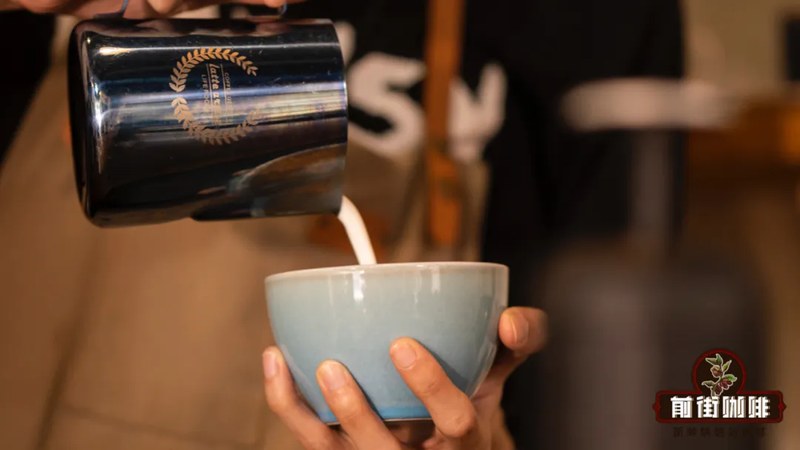
The crema on the surface of an espresso is not just a visual decoration; it directly affects the mouthfeel. Differences in crema thickness make two espressos extracted with the same parameters taste completely different. An espresso with thick crema has a dense, smooth, and silky mouthfeel. Crema is a microfoam formed by carbon dioxide bubbles suspended on the surface of the coffee liquid. This layer of foam wraps around the liquid, so when you take a sip, the first thing you contact is the dense foam layer, and only then the liquid beneath it. The foam layer makes the perception of acidity, sweetness, and bitterness softer, without directly assaulting the taste buds. An espresso with thick crema has a creamy, rounded mouthfeel on entry, the bitterness is not sharp, the acidity is not pungent, and the sweetness lingers. An espresso with thin crema has a direct mouthfeel on entry. Without the buffer of the crema layer, the liquid's acidity, sweetness, and bitterness directly contact the taste buds, and the perception is sharper. Bitterness is more pronounced, acidity is more pungent, and sweetness is brief. An espresso with thin crema has a watery mouthfeel on entry, lacking roundness and length. When making milk coffee, the effect of crema is even more obvious. With beans that produce thick crema for a latte, after the espresso mixes with milk, the crema blends into the milk, increasing the milk's density and smoothness. When pouring latte art, the crema helps the lines take shape and last; a latte left for five minutes still has a clear latte art pattern. With beans that produce thin crema for a latte, the espresso and milk integrate poorly and tend to separate, the latte art lines blur and disappear quickly, and the mouthfeel is like milk with coffee flavor added rather than a latte where coffee and milk are fused into one. The texture of the crema is also important, not just the thickness. Good crema is golden in color, dense in texture, and has fine, even bubbles. Poor crema is dull or whitish in color, coarse in texture, and has unevenly sized bubbles. Differences in crema texture reflect the quality of the extraction; good crema indicates even extraction with suitable parameters, while poor crema indicates a problem with the extraction, possibly channeling or parameter deviation. The color of the crema is related to the roast level. Medium-dark roasted beans produce crema that is deep gold to dark brown in color with a thick texture. Medium roasted beans produce crema that is medium gold in color with a moderate texture. Light roasted beans produce crema that is light gold to pale yellow in color with a thin, light texture. Different crema colors from different roast levels do not indicate good or bad; the key is a dense and even texture. The persistence of the crema also affects the experience. Good crema can remain on the surface of an espresso for 3 to 5 minutes without dissipating, while poor crema collapses in 1 to 2 minutes. After the crema dissipates, the surface of the espresso darkens and the mouthfeel becomes flat. So after extracting an espresso, drink it as soon as possible, finishing it while the crema is still there for a better experience. There are three core variables that affect crema thickness. The first is freshness; beans 7 to 30 days after roasting have relatively suitable crema. If too fresh, degassing is too active, and although the crema is thick, it is coarse; if too old, carbon dioxide has escaped and the crema is thin. The second is roast level; medium-dark roast has the thickest crema. The third is bean variety and origin; Mandheling and Brazil have good crema, while Geisha has thin crema. If all three variables are chosen correctly, the crema is assured. Crema thickness and espresso concentration are not exactly the same thing. An espresso with thick crema is not necessarily strong, and an espresso with thin crema is not necessarily weak. Crema is an emulsified product of carbon dioxide and lipids, while concentration is the content of soluble solids dissolved in the liquid. The two are related but not in a linear relationship. An espresso with thick crema but moderate concentration and an espresso with thin crema but high concentration have completely different mouthfeels.
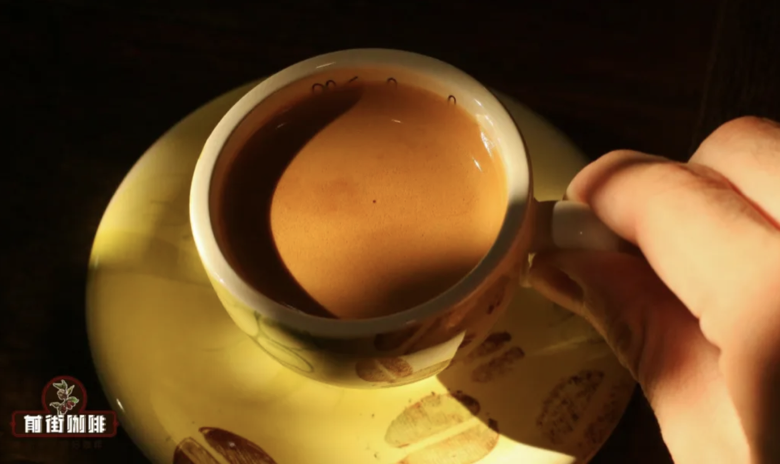
Once you understand the relationship between crema and mouthfeel, you have one more dimension when choosing beans. Do not just look at the flavor description; also look at the crema performance. Beans with good crema have more advantages for both lattes and straight espresso, with a dense, rounded mouthfeel and good latte art results. Beans with thin crema are more suitable for Americanos or sparkling coffee, because there is no milk to integrate with, and the lack of crema has little effect.

Related Reading

Comments (0)
Loading comments...
You May Be Interested




Trending Reviews
Popular Videos

With you, wherever you are! We provide useful features to help you find new things you'll love






