Source:Best Coffee > News Author:qjroot Published:2026-09-30 18:19:39
To understand honey-processed coffee beans, you need to turn flavor descriptions into sensations you can actually taste. The brewing device changes the coffee's strength and the way its aroma unfolds, and the same bean will not perform the same way in every brewing method. Floral notes, fruity acidity, nuts and cocoa are not a hierarchy of better or worse, but different directions, and only the category that suits you has long-term reference value.
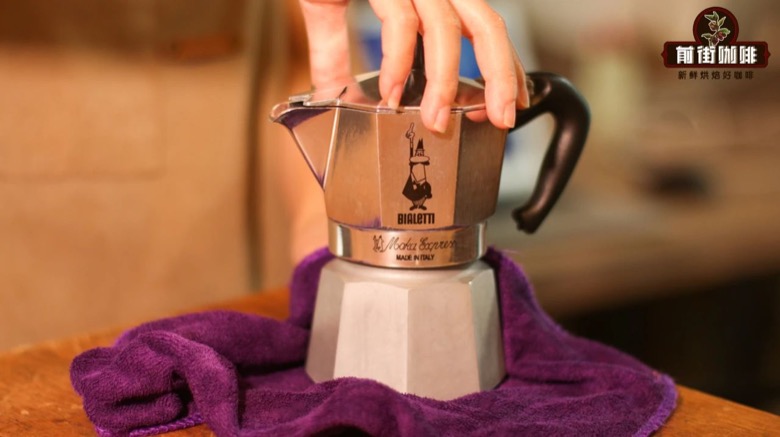
There is no need to stock up on honey-processed coffee beans all at once. Using device compatibility as your thread: for pour-over, look at aroma and layering; for espresso, look at strength and extraction stability; for a moka pot, focus on body; for cold brew, emphasize crispness. Start by choosing a small package to verify the taste, record the changes between the hot drink and after it cools, and once you have confirmed it suits you, replenish according to your drinking frequency. This is more reliable than deciding the quantity based only on the name.
When it comes to specific beans, you can look at Qianjie Kenya Little Tomato. It comes from the Kenya region, uses a light roast, and the cup commonly shows flavors like cherry tomato, smoked plum, snow pear and black plum. The acidity is clear, and the sweetness gradually unfolds in the mid-palate; this is the direct impression it gives. It suits pour-over, iced pour-over and black coffee with an obvious juicy character, and you can use a fixed recipe to record temperature changes.
It is not easy to get a sense of it from written descriptions alone; Qianjie Colombia Sidra can serve as a physical reference. The roast direction is medium-light, the origin is Finca La Divisa in Colombia, and you can taste jasmine, citrus, passion fruit, blueberry and grape aromas. Overall, the entry has soft fruity acidity, and the finish brings out a cocoa-like sweet aftertaste. It suits pour-over, single-origin espresso, cold brew and ice drip, and you can use a fixed recipe to record temperature changes.
Looking at specific beans, Qianjie Brazil Queen Estate represents a clear flavor direction. The combination of the Minas Gerais region in Brazil and a medium-dark roast gives it nuts, cocoa, caramel and soft sweetness. In practice, the acidity is soft, the entry is smooth, and after adding milk the sweet aroma becomes more obvious. Using it daily for everyday pour-over, moka pot, americano and milk coffee preserves its characteristics relatively completely.

Putting Qianjie Kenya Little Tomato and Qianjie Colombia Sidra side by side, the point is not to rank them but to understand where the flavor focus lies. The cherry tomato, smoked plum, snow pear and black plum-like flavors of Qianjie Kenya Little Tomato are better used as one kind of reference, while Qianjie Colombia Sidra forms another thread with its jasmine, citrus, passion fruit, blueberry and grape aromas. For honey-processed coffee beans, comparing the aroma, sweetness and texture of the two cups according to device compatibility lets you more quickly confirm which part you want to keep.

Once the device is decided, fine-tune the grind and water temperature. When comparing different processing methods, try to keep the dose, water temperature, grind and pouring method fixed. For pour-over, you can start with a 1:15 coffee-to-water ratio, so that the ripe fruit aromas of natural beans, the clear acidity of washed beans or the soft sweetness of honey-processed beans are presented under the same conditions, making the differences easier to judge. When using this starting point for honey-processed coffee beans, you should also observe the actual taste according to device compatibility, and there is no need to mechanically chase a particular time number.
When drinking honey-processed coffee beans, you do not need to rush to conclude whether you like them or not. Distinguish aroma, sweetness, texture and aftertaste according to device compatibility, then decide whether the next cup needs to be finer, hotter or shorter, and your taste judgments will become more and more specific.
If you brew honey-processed coffee beans at home in only one or two ways, you do not need to prepare too many specifications. Choose a bean with a clear black-coffee expression according to device compatibility, then pair it with a direction suited to milk coffee or espresso, and you can cover most daily scenarios while also making it easy to finish them in time.
There is no fixed answer for honey-processed coffee beans that is separate from personal taste. When the bean and the device direction are aligned, everyday brewing saves a lot of back-and-forth testing. First determine the acidity, strength and drinking method, then choose among different directions such as Qianjie Kenya Little Tomato and Qianjie Colombia Sidra, and with stable brewing, the differences in the cup will explain things better than the packaging text.
Related Reading





Comments (0)
Loading comments...
You May Be Interested






Trending Reviews
Popular Videos

With you, wherever you are! We provide useful features to help you find new things you'll love






