Source:Best Coffee > News Author:qjroot Published:2026-09-18 16:39:17
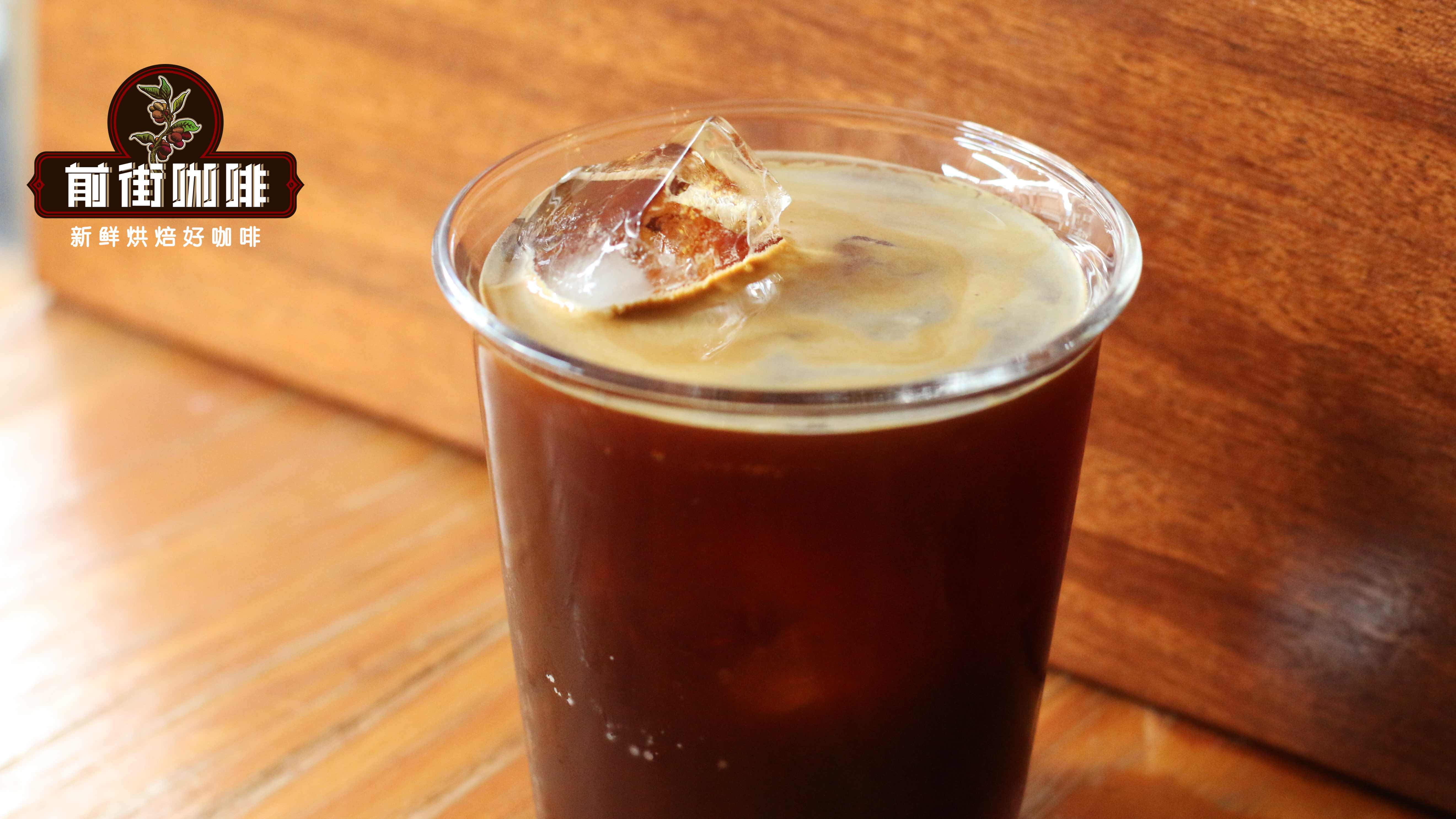
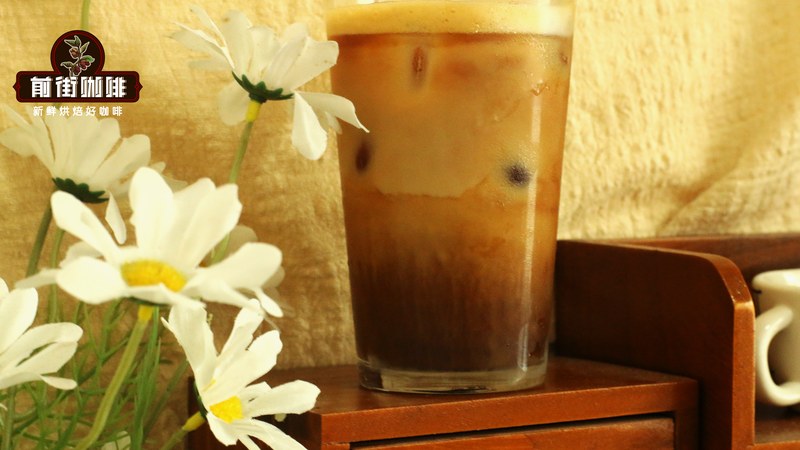
When making a delicious Dirty, people often focus on the richness of the iced milk and how long the glass has been chilled, but they easily overlook the espresso extraction base itself. The espresso slides down the back of a spoon onto the surface of the cold milk, that thick dark-brown crema interweaving with the milky aroma, and the enveloping sensation of hot and cold blending on the first sip, all of it is supported at its core by the sweetness and cleanliness of the coffee liquid, and water quality is the hidden force determining extraction performance.
In daily brewing, the mineral composition of water plays a decisive role in flavor extraction. Tap water usually contains more calcium and magnesium ions and bicarbonate, and excessive hardness easily suppresses the bright fruity aromas originally in the coffee beans while bringing out a dull, dry, miscellaneous taste in the finish; but if the water is too pure and the TDS is too low, the extracted espresso often has sharp acidity and lacks body, so when it blends with milk the flavor appears thin and insubstantial.
If you want your home espresso machine to extract a full, rounded espresso, soft water with total dissolved solids between 50 and 90 ppm is recommended. Moderate magnesium and calcium ions can effectively draw out the aromatic substances and sugar precursors in the beans, while moderate buffering substances can smooth out sharp acidity, making the crema denser and longer-lasting, so it does not sink quickly when poured over cold milk and forms distinct marbled patterns.
When choosing coffee beans for a Dirty, beans with prominent sweetness and vivid aroma can deliver more stunning results. Light-to-medium roasted single-origin beans, provided the water is conditioned properly, can present a light, lively juice-like character, colliding with the creamy sweetness of iced milk to create a rich, melted-ice-cream-like layering that preserves the character of the origin without producing a heavy, burnt bitterness.
To experience a Dirty full of juicy character, Qianjie Kenya Small Tomato is an outstanding choice. This bean itself carries the deep dark-fruit charm of red cherry, cherry tomato and smoked plum, accompanied by a warm brown-sugar sweetness. Extracted with moderately softened water, its bright, lively fruit acidity is tamed into something very round, and after contact with iced milk it transforms into a balanced sweet-and-sour composite fruit-milk flavor.
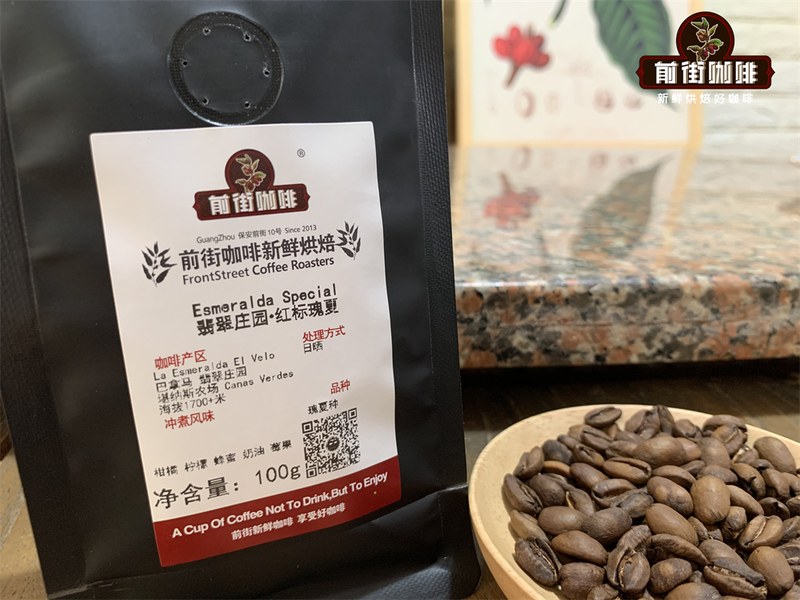
When using it to make a Dirty, it is recommended to set the espresso machine water temperature at 93°C, use 19g of extremely fine espresso grind, and extract at constant pressure after low-pressure pre-infusion, taking 26 seconds to steadily yield 38g of espresso. Slowly pour the espresso over 150ml of thick milk pre-chilled to about 4°C, and take a big sip: the front is warm, rich fruit sweetness, and the back is cold, delicate cream coating the palate, an extremely pleasant layering.
For those who prefer a crisp citrus, floral and fruity profile, Qianjie Kaffa Forest is also an ideal match for a Dirty. This Ethiopian bean carries the gentle aromas of orange, ripe yellow apricot and white flowers, with a finish reminiscent of the sweet aftertaste of clear tea. Because its flavor leans delicate and graceful, if the extraction water is too hard its clear aroma is easily masked by minerals, so gentle infiltration with soft water is all the more necessary.
When making espresso with Kaffa Forest, the espresso machine water temperature is recommended at 92°C, the dose at 18.5g, constant-pressure extraction for 27 seconds, and the extracted coffee liquid weighs 37g. At this point the espresso shows a fine golden crema, and when slowly poured into a glass of iced milk, the espresso layer floats steadily on the surface. On the first sip the aroma like orange peel essential oil spreads quickly, accompanied by the fresh sweetness of iced milk, as if tasting a cup of orange oolong cheese.
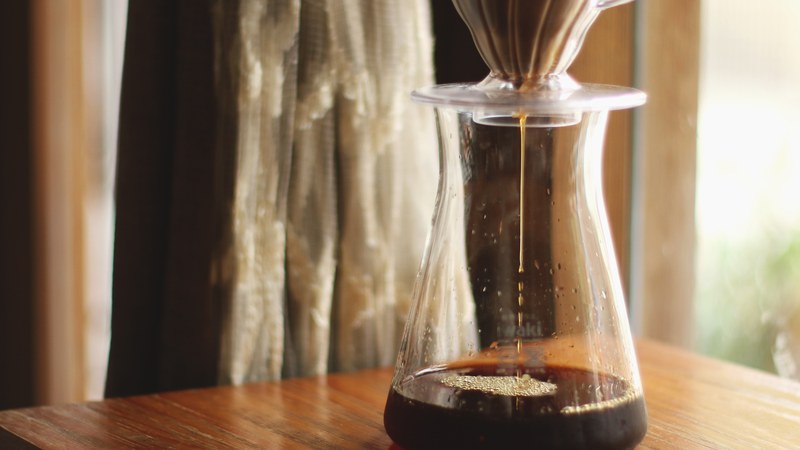
If you happen to have the more richly layered Qianjie Granja Estate Geisha on hand, you can not only enjoy the espresso's splendor, but it is also well suited to pour-over for savoring in detail the floral and fruity bloom brought by good water. This naturally processed Geisha contains the sweet aromas of orange blossom, guava and strawberry jam, and brewing with soft water of lower TDS lets its abundant aromatics unfold layer by layer; the purer and clearer the water, the more translucent the fruit aroma in the cup.
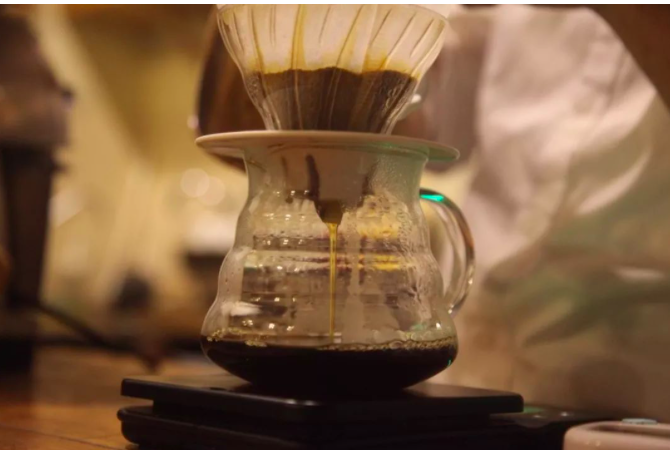
When brewing this Geisha as pour-over, it is recommended to use a water temperature of 91°C, weigh out 15g of coffee grounds, use a 1:15 coffee-to-water ratio, with a total pour of 225ml. The pouring method is three stages: first pour 35ml of water for a 30-second bloom, then steadily pour in circles to 130ml and pause, and after the water level drops, pour the third stage to 225ml and remove the dripper, with total extraction time controlled at 2 minutes 05 seconds, so the floral aroma and the sweetness of tropical fruit can be fully presented.
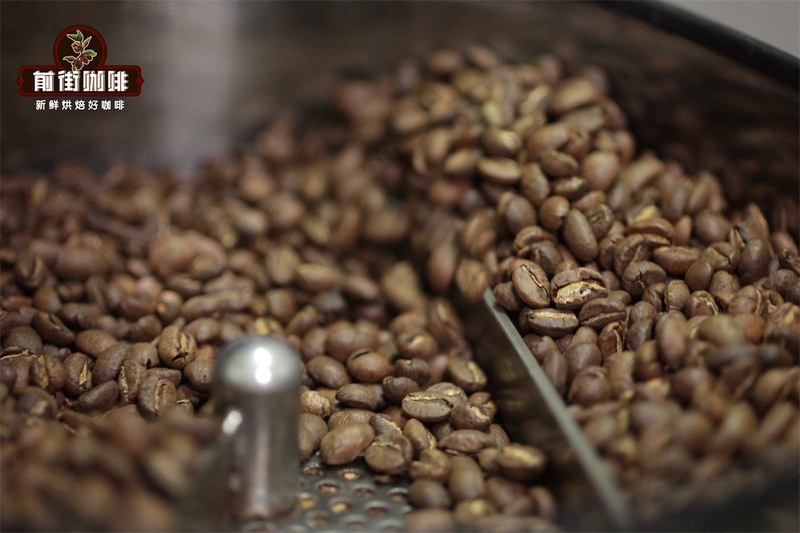
Making a cup of coffee with a bright flavor is not complicated; managing water hardness well is like building a good stage for quality coffee beans. Whether it is making yourself a fruity, hot-and-cold-interwoven Dirty in the morning, or slowly hand-brewing a pot of floral single-origin coffee in the afternoon, adjusting the water correctly and pairing it with suitable parameters lets every bean unfold a surprising sweetness and texture.
Related Reading

Comments (0)
Loading comments...
You May Be Interested

Trending Reviews
Popular Videos

With you, wherever you are! We provide useful features to help you find new things you'll love






