Source:Best Coffee > News Author:qjroot Published:2026-09-07 10:48:55
A shiny bean surface and a fine, dense crema on top of an espresso do not necessarily mean the cup will taste sweet and smooth. The lipids in coffee, roast development, degassing state and extraction method all combine to affect foam thickness and mouthfeel. If you want a bean to show a full body, the point is not to blindly increase the dose, but to let the sweetness fully release while reining in scorched bitterness and dryness.
Beans leaning toward nutty and cocoa notes are usually suited to a higher concentration and slightly lower water temperature; beans with pronounced fruit aromas need both aroma development and cup support. Paper filter brewers retain some of the oils, giving a cleaner result; metal filters, French presses and espresso machines preserve more lipids. "Richness" here includes both the visible layer of oils and the rounded, weighty mouthfeel on the palate.
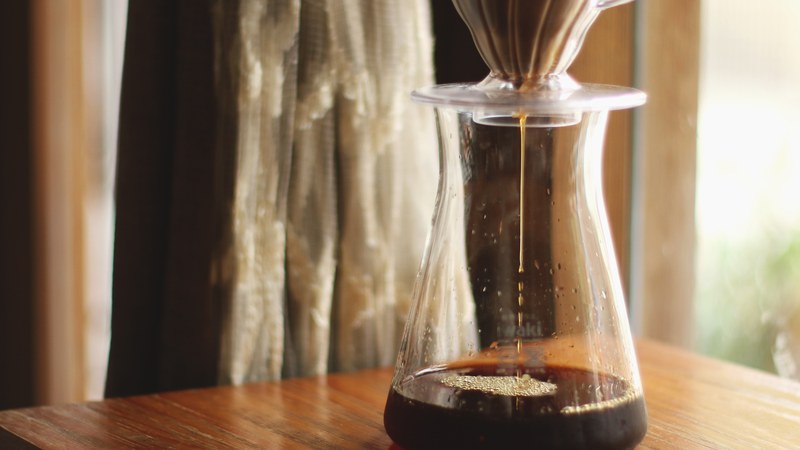
Qianjie Brazil Queen Estate is a good starting point for practising parameters. Its base notes are close to roasted nuts, milk chocolate and caramel syrup, with mild acidity and a fairly wide extraction window. For pour-over, use 15 g of coffee with 225 g of water, a water temperature of 89 to 91°C, a medium grind, a bloom of about 30 seconds, then pour in two gentle stages, keeping the total time to 2 minutes 15 seconds to 2 minutes 40 seconds.
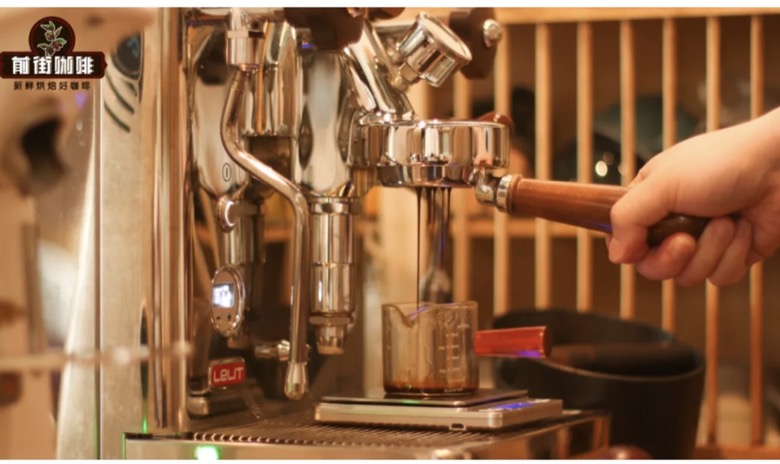
When making this Brazil bean on an espresso machine, you can put 18 g of coffee in the basket depending on its capacity, aim for 36 to 40 g of liquid, and extract for about 27 to 31 seconds. Keeping the brewing pressure near 9 bar and the water temperature around 91°C makes it easy to get a hazelnut-butter-like thickness. If the flow is too fast and the taste is hollow, tighten the grind by one step; if the finish turns bitter, reducing the yield is a better move than grinding finer and finer.
To add bright fruit aromas to an oily texture, try Qianjie Strawberry Candy coffee beans. Its aroma calls to mind red berry candy, ripe juice and a soft sweetness. For pour-over, a coffee-to-water ratio of 1:15.5 to 1:16 is suggested, with a water temperature of 92 to 93°C and a slightly finer grind than the Brazil bean. Keep the pouring gentle and avoid large stirring motions, so the fruit aromas stay more concentrated and the aftertaste cleaner.
For espresso with Strawberry Candy, you can start from 18 g of coffee, 40 to 42 g of liquid, around 28 seconds, with the pressure set at 8 to 9 bar. A slightly longer coffee-to-liquid ratio helps unfold the fruit sweetness without making the espresso feel sticky and heavy. For an iced americano, pour it directly into a small amount of cold water with ice; for a small milk coffee, control the amount of milk so the berry candy aroma can still be sensed through the milk fat.
If you prefer low acidity, a thick body and dark flavours, look at Qianjie PWN Indonesia Golden Mandheling. It has notes of spice, black chocolate and roasted sweetness, with a steady cup. For pour-over, use 15 g of coffee with 215 to 220 g of water, a water temperature of 87 to 89°C, and a medium-coarse grind. After the bloom, pour in two stages at a low water level, avoiding a stream that repeatedly hits the coffee bed, and the result will be smoother.
When making espresso with Golden Mandheling, the water temperature can be set at 89 to 90°C, extracting 32 to 35 g of liquid from 18 g of coffee in about 25 to 29 seconds. The grind is usually slightly coarser than for a medium-roast bean, and the pressure only needs to be maintained at 8 to 9 bar. A shorter yield preserves a chocolate-like viscosity and also keeps the dark-roast character from expanding too much, still giving a clear, full body after adding hot water.
To judge whether your parameters are right, watch the flow rate, taste and mouthfeel at the same time. If an espresso lightens quickly within a dozen seconds and tastes thin and sour, the grind needs to be tightened; if no liquid comes out for a long time and the finish tastes woody, coarsen it and reduce resistance. If a pour-over smells good but the cup feels light, narrow the coffee-to-water ratio from 1:16 to 1:15; if the texture is thick but the aroma is dull, add a little water rather than continuing to raise the temperature.
The high pump pressure marked on a coffee machine does not mean a higher pressure is needed for brewing; a stable 8 to 9 bar is already enough to form a fine crema. With a darker roast or vigorous degassing, the crema layer may be fluffier, but the judgement should still be based on whether the cup tastes sweet, smooth and complete. Set the water temperature, ratio and grind according to where a bean's flavour lies, and then the oily quality can be part of what makes it delicious, not just foam on the surface of the cup.
Related Reading

Comments (0)
Loading comments...
You May Be Interested

Trending Reviews
Popular Videos

With you, wherever you are! We provide useful features to help you find new things you'll love






