Source:Best Coffee > News Author:qjroot Published:2024-09-26 18:58:13
Thanks to Central America's rich terrain, diverse climates, abundant forests and mountains, and a volcanic belt stretching over 1300 km, Central American coffee has secured its place in the global market. But when it comes to Central American coffee, most people think of Costa Rica and Panama.
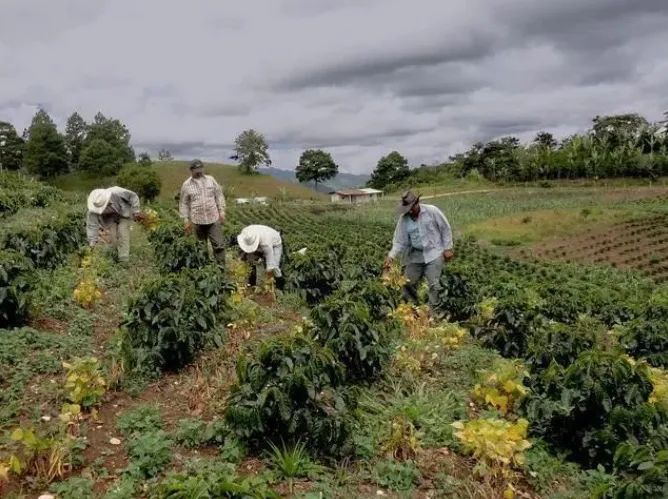
In recent years, however, Honduras has become the largest coffee producer in Central America, and while maintaining high yields, it has also been continuously improving coffee quality. Honduras has complex topography, mainly made up of mountains, valleys, plateaus and coastal areas; the north is largely mountainous, the central plateau is mainly a lava plateau, and the central and southern areas are mostly river valleys, which are the main agricultural regions, with an average national altitude of 900-1500 m.
At present, Honduras has about 280,000 hectares of coffee farms, but the country is dominated by smallholders, who account for 60% of national production. Most of these coffee farms are less than 3.5 hectares, but there are also quite a few outstanding coffee farms and estates, such as La Salsa, El Laurel, El Naranjo, and so on. When it comes to those with a long history, however, the Caballero family must be mentioned.
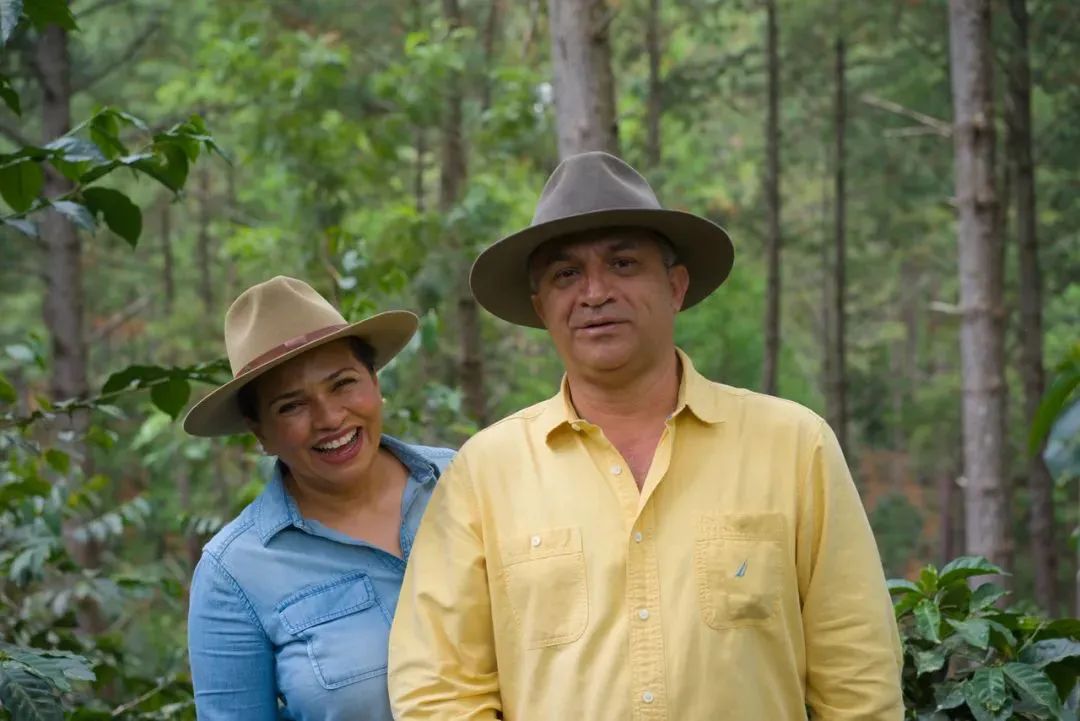
The Caballero family is one of the most prestigious families in the Honduran coffee world. Coffee cultivation in Honduras began around the 18th century and has a history of more than 200 years, while the Caballero family began growing coffee in Honduras in the 20th century and now has a history of about 120 years. It could be said that the family's development has also driven the development of Honduras's coffee industry. Moreover, its third-generation descendant Fabio Antonio Caballero Martinez is also hailed as a pioneer among Honduran specialty coffee growers. At present, the estate is mainly run and managed by the fourth-generation descendant Marysabel Caballero together with her husband.
In Honduras, coffee regions are divided according to the Honduran Coffee Institute (IHCAFE), which has divided them into six major coffee regions: Copan, Opalaca, Montecillos, Comayagua, Agalta Tropical and El Paraiso.
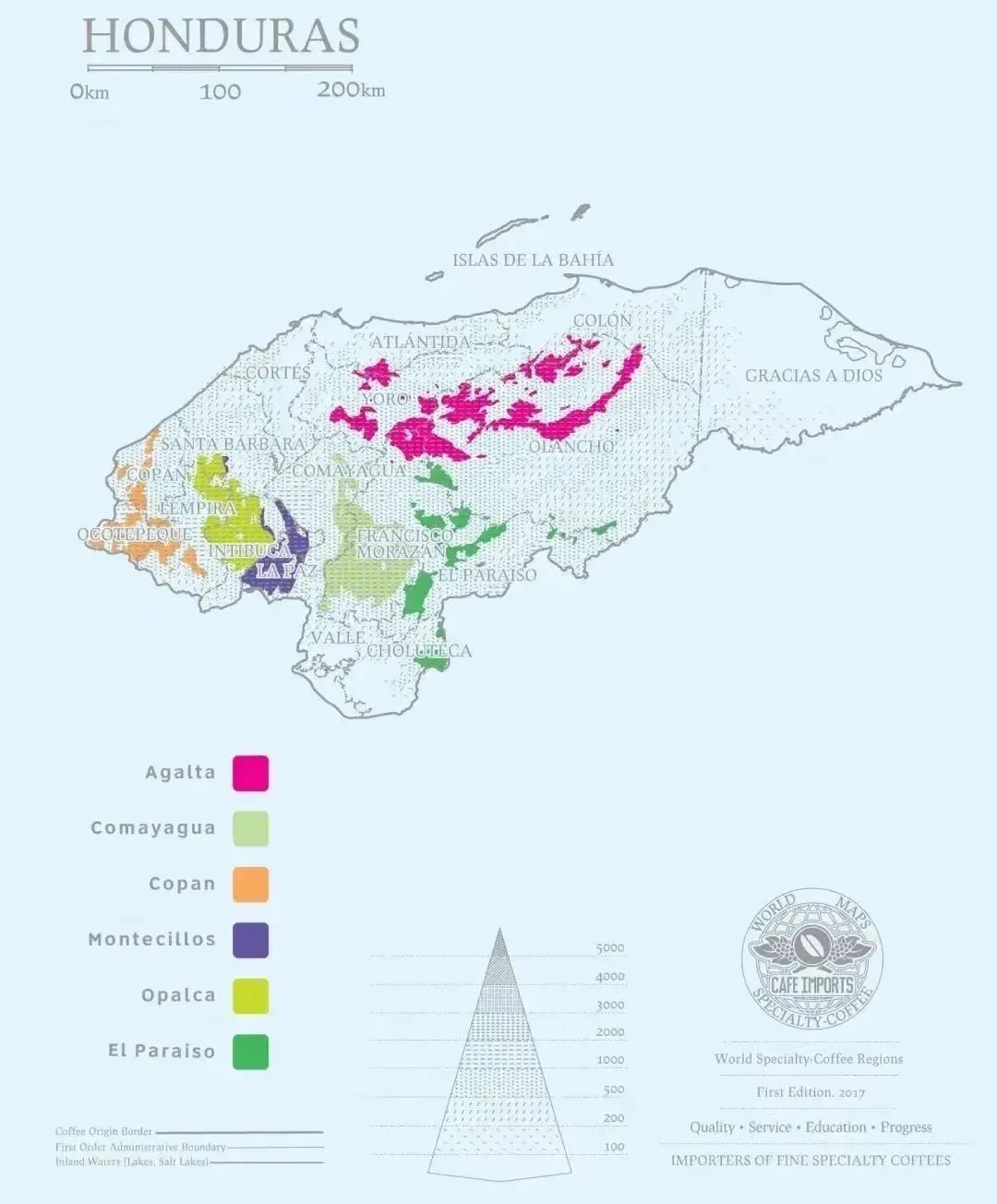
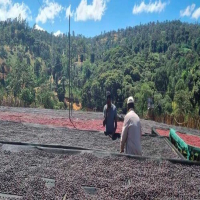
The Montecillos coffee region is located between the departments of La Paz, Comayagua, Santa Barbara and Intibuca. The Caballero family now has about 200 hectares of farmland, mainly growing coffee on a total of 17 farms/estates, including El Puente estate and La Macaria farm, concentrated mainly in the department of La Paz.
This department is located in southwestern Honduras, in the border area with El Salvador. It is mostly mountainous, with many rivers and abundant resources; annual rainfall is 1300-2300 mm, and coffee is grown at altitudes of 1200-1700 m. The coffee produced here is dominated by rich fruity and sweet aromas, paired with lemon and floral notes. Lemon and fruit aromas are its hallmark, especially peach and orange, with a lively, bright acidity, a velvety body and a lasting finish, which is why quite a few estates here appear year after year on the Honduras Cup of Excellence COE list.
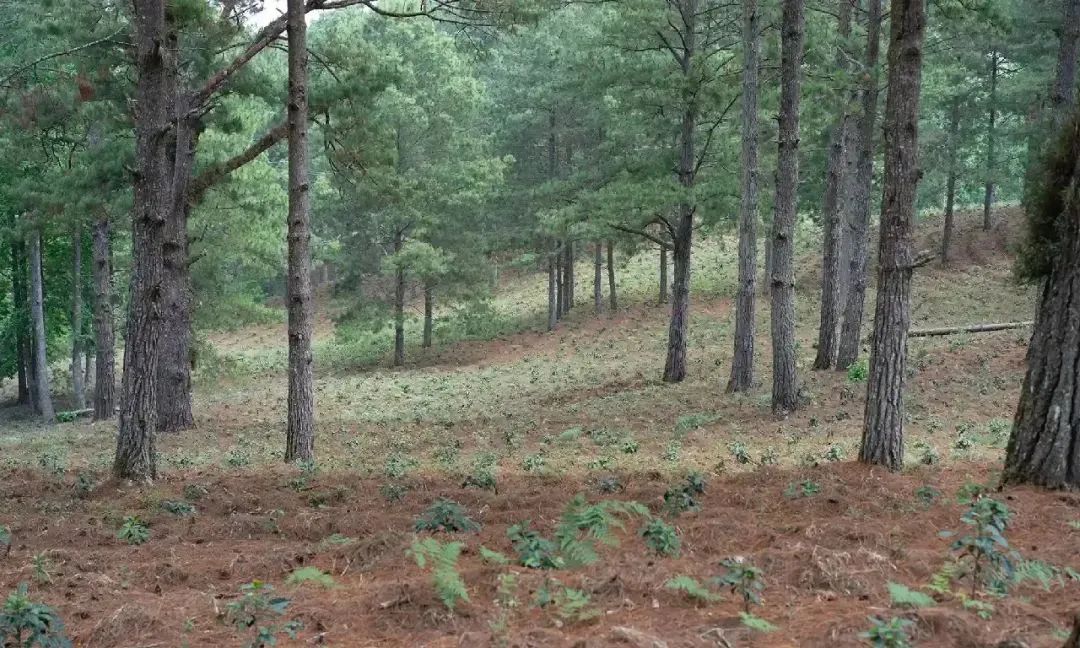
The Caballero family understands the importance of sustainable development, so they have put a great deal of effort into improving the soil quality of their estates, such as fertilizing with organic fertilizer, reducing chemical products such as herbicides and pesticides, growing coffee under shade, and filtering discharged water to protect the forest and water sources. They also have a dedicated processing plant and a professional team controlling quality at each farm and at the processing plant to produce high-quality coffee, and they grow many varieties on their estates, such as Catuai (Catuai), Geisha (Geisha), Java (Java) and others.Therefore, several farms and estates under the Caballero family have long been a constant winner in the Honduras Cup of Excellence COE competition.
To learn more coffee origin news and information, please scan the QR code to follow: Kaping
Long-press the QR code to follow:

Related Reading
Comments (0)
Loading comments...
You May Be Interested

Trending Reviews
Popular Videos

With you, wherever you are! We provide useful features to help you find new things you'll love






