Among the factors that determine the flavor of brewed coffee, 'beans,' 'grind,' and 'machine' are hardware-related, while 'technique' is software-related. The impact of grinding on coffee flavor.

Currently, there are many types of coffee grinders on the market, but they can generally be divided into flat burr grinders, conical burr grinders, roller grinders, gear burr grinders, and blade grinders. Among these, roller grinders are mostly used in large factories, crushing beans like a pasta press. They are highly efficient but not suitable for coffee shops. Blade grinders, on the other hand, are mostly simple home grinders that chop beans by the high-speed rotation of blades, resulting in extremely poor uniformity and high heat generation, which is very detrimental to coffee extraction. Flat burr and conical burr grinders are currently the mainstream types, and their differences are as follows:
Overall, the advantages of flat burr grinders are fast speed, quick grinding, and better uniformity, but they tend to generate more heat and have a relatively shorter lifespan. Conical burr grinders, however, generate less heat, have a longer lifespan, but are slower and less uniform.
The gear burr burrs of Hario's Skerton series can produce more uniform coffee grounds while generating fewer fines, making the grinding process more efficient. However, they are not suitable for espresso extraction (due to insufficient fineness).

The main factors through which grinders affect extraction are the following four:
Uniformity: Coarser coffee particles are more prone to under-extraction, while finer particles are more likely to be over-extracted prematurely. Therefore, coffee grounds with a wider range of particle sizes often result in more cloudy and harsh off-flavors. When coffee grounds with relatively uniform particle size and similar shape are extracted, the flavor becomes brighter and more intense, with a clearer and more consistent expression of flavor characteristics.
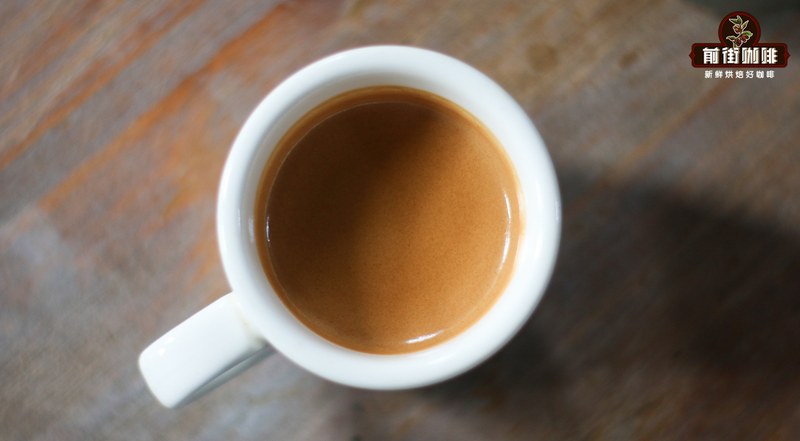
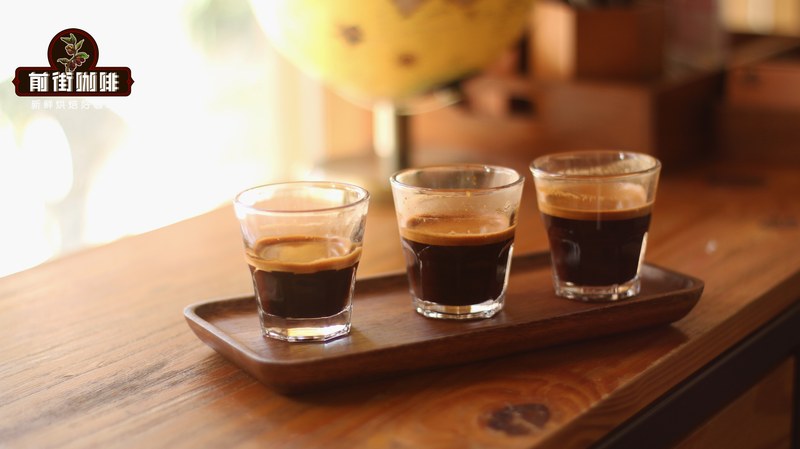
Fines: Coffee grounds resembling flour are very prone to over-extraction or even dissolving in water, which affects the extraction flavor. The more fines there are, the more likely the coffee is to be over-extracted, resulting in a more bitter and muddled taste. When making espresso, fines are the first to be flushed out by the water flow into the cup. If extracted properly, the dense crema will lift the fines, causing them to float on the surface of the crema, forming an attractive 'tiger striping.' However, 'tiger striping' does not indicate how the espresso tastes. Better-performing grinders or using sieves can help reduce the production of fines. But if there are too few fines, the brewed coffee may lack complexity. This balance can only be learned through practice, not explained in words.

Heat Generation: Any grinder burrs generate heat during the grinding process. Heated coffee grounds accelerate oxidation and the evaporation of aromatic compounds, leading to a weakened flavor in the brewed coffee. The heat generated by the burrs depends on factors such as burr size, material, blade design, grind fineness, motor speed, and the hardness and texture of the coffee beans. Therefore, major brands now equip grinders with cooling vents, cooling fans, use metals that dissipate heat more easily, or drive the burrs with motors that have higher torque and lower speed to reduce heat generation.
Static Electricity: Generally speaking, the finer the grind and the faster the grinding, the stronger the static electricity generated. Grinders with internal plastic components or without anti-static designs at the discharge outlet produce more static electricity. Grinding beans with rich oils and darker roasts also generates more static electricity. Espresso grinders often produce clumps of fines during grinding, affecting the evenness of the dose and leading to uneven extraction. Meanwhile, single-origin grinders often use magnets at the discharge outlet to attract chaff and fines via static electricity, aiming to reduce over-extracted flavors and off-notes.