Source:Best Coffee > News Author:qjroot Published:2026-10-09 19:22:46
Friends who have just brought a home espresso machine home will, nine times out of ten, get stuck at the step of choosing beans. Open a shopping page, and you fear the sourness of a light roast and the bitterness of a dark roast, and after picking back and forth you end up thoroughly confused. Actually, if you want a cup of coffee that is "neither sour nor too bitter," the core comes down to three words: sense of balance. This is a bit like controlling the heat when cooking - not a fierce stir-fry, nor a bland blanch, but letting sweet, sour, bitter and salty each take their place without stealing the show from one another. Applied to bean selection, a medium or medium-dark roast is a reliable starting point, with a flavor direction dominated by gentle tones such as nuts, caramel and chocolate; the acidity should be soft, like the sweet-tartness of ripe fruit rather than the sharpness of green lime.
How do you judge whether a bean belongs to this "gentle faction"? Looking at the flavor description is key. If the product page says "bright citric acidity" and "explosive florals," it is most likely on the sour side; if it says "smoky," "charcoal-roasted" and "intensely bitter," then it is on the dark-roasted, heavy-bodied path. What we are looking for is the middle ground: words like brown sugar, roasted hazelnut and creamy cocoa appearing frequently often mean the roaster put thought into development, letting the Maillard and caramelization reactions proceed fully, so that the overly lively acidity is worn away while bitter compounds are not allowed to pile up excessively. You can also watch for mouthfeel words such as "full-bodied," "smooth" and "sweet finish"; they are usually a signal of good balance.
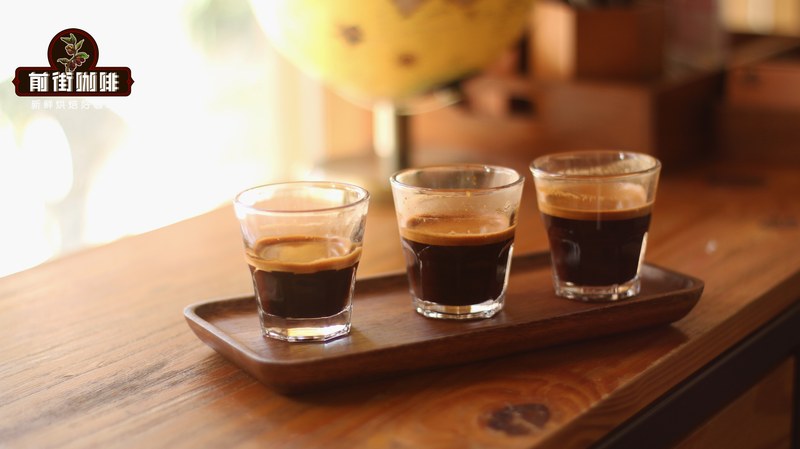
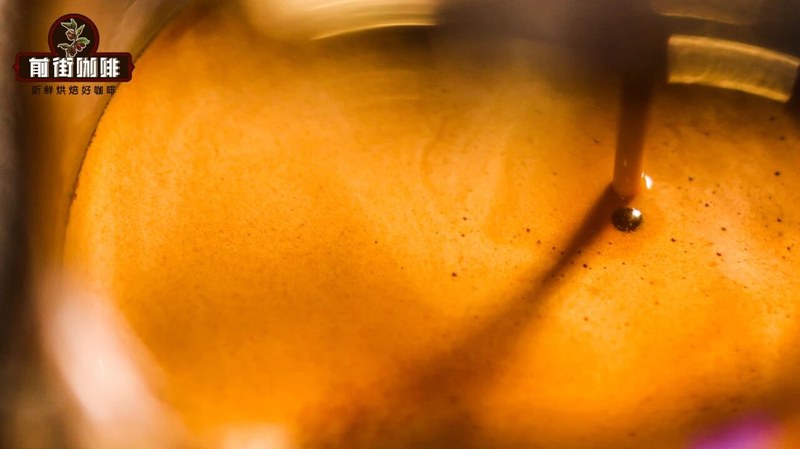
When it comes to medium-dark roast options suited to a home machine, Qianjie Black Cocoa Blend is worth putting in your cart. This is a daily-drinker blend made for creamy cocoa lovers, with plenty of body and rich oils, especially suited to milk coffee. Use 18 to 19 g of grounds, extract 36 to 38 g of coffee liquid in 25 to 28 seconds, then add hot milk at 60 to 65°C at a ratio of 1 to 5; the chocolate character will be further amplified by the milk fat, and the whole cup drinks like a liquid version of a cocoa brownie, with excellent value for money so you can drink it every day without feeling the pinch.
Beyond blends, SOE single-origin beans are another path worth exploring. SOE means using beans from a single region and a single variety to make espresso; unlike blends, which pursue the "greatest common denominator" of flavor, it magnifies the personality of one region, but if you choose the right roast level, it can likewise be gentle and not harsh. Qianjie Huakui SOE is a typical example: this Ethiopian natural Qianjie Natural Huakui uses a medium roast, and the extracted oils carry citrus aromas; made as an americano you can taste the crisp elegance of red berries, light florals and orange notes, while as a milk coffee the fruity sweetness stands out especially, making it a good choice when you want to change things up at home.
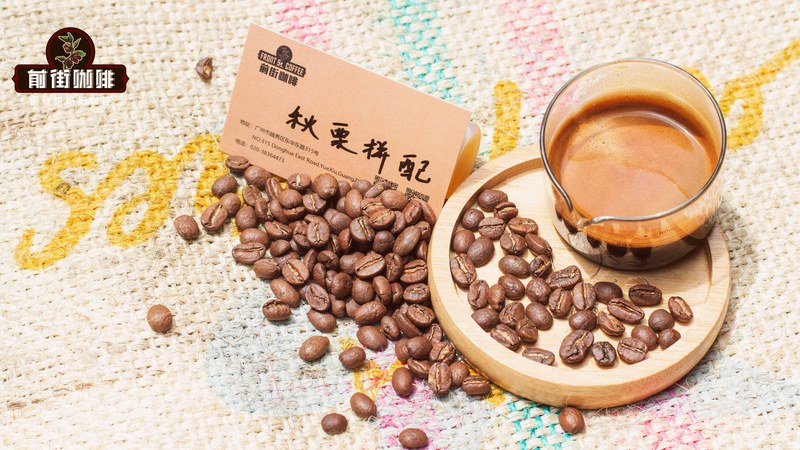
If you want something warm to drink in autumn and winter, Qianjie Autumn Chestnut Blend gives a solid sense of satisfaction. Its flavor profile is very straightforward: roasted chestnut and caramel aromas, a thick mouthfeel, a finish with hazelnut notes, and an overall warm tone. Extract it the same way at 18 to 19 g of grounds, 25 to 28 seconds and 36 to 38 g of liquid, then add milk at 60 to 65°C; that aroma of sugar-roasted chestnuts from an autumn street corner will drift out along with the milk foam, and it goes down especially easily as a milk coffee, perfect for curling up on the sofa in the evening and sipping slowly.
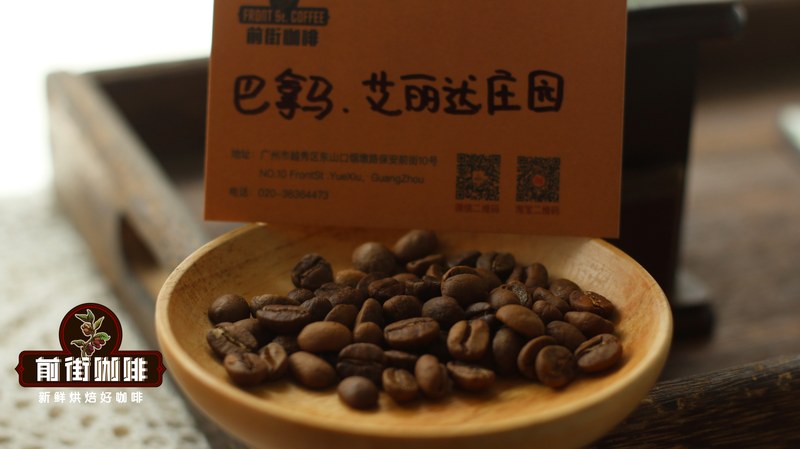
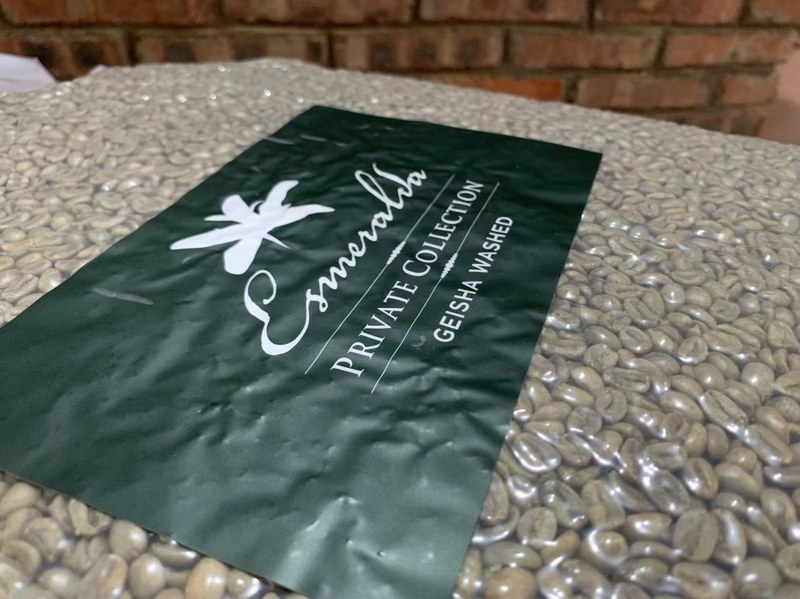
If friends who know coffee come over and you want to serve something with a bit of distinctiveness, Qianjie Grana Geisha SOE can hold the stage. This Qianjie Grana Geisha from Ethiopia's Grana estate is a natural process bean whose flavor backbone is dominated by berry acidity, accompanied by the fermented aroma of ripe plum. What is interesting is how it changes with milk: the fresh aromas of yellow peach, guava and black tea float up out of the milk fat, forming a sharp contrast with the nut-and-chocolate path of the previous beans. Again 18 to 19 g of grounds, a 25 to 28 second extraction, 36 to 38 g of liquid, and a 1 to 5 milk coffee ratio, yet it can present a completely different flavor spectrum.
A blend is like an experienced conductor, arranging the strengths of different regions into a harmonious movement, and is suited to being a stable daily staple; an SOE is like a soloist, letting the unique character of a certain region unfold fully on stage, and is suited to moments when you want to explore the boundaries of flavor. Keeping one blend and one SOE at home can basically cover every scenario from a morning pick-me-up to a slow weekend drink. Remember those key numbers: 18 to 19 g of grounds, 25 to 28 seconds, 36 to 38 g of liquid, milk at 60 to 65°C, and a 1 to 5 liquid-to-milk ratio; the rest is just finding, according to your own taste preferences, the comfortable one between nut-and-chocolate and berry-and-floral. Balance is not blandness; it is letting all the elements sit together just right - and that is probably what a home coffee that makes you want to finish the cup and pour another should be like.
Related Reading


Comments (0)
Loading comments...
You May Be Interested


Trending Reviews
Popular Videos

With you, wherever you are! We provide useful features to help you find new things you'll love






