Source:Best Coffee > News Author:qjroot Published:2026-09-03 18:38:05
The performance of a pour-over single-origin bean has a lot to do with the dripper's parameters. For the same light-roast bean, a conical dripper may highlight aroma, while a flat-bottom dripper more easily brings out sweetness and roundness. When choosing beans, you can judge the dripper shape, filter paper flow rate, usual dose and pouring habits together, so the bean's characteristics work with the equipment, rather than relying only on the flavor words on the package.
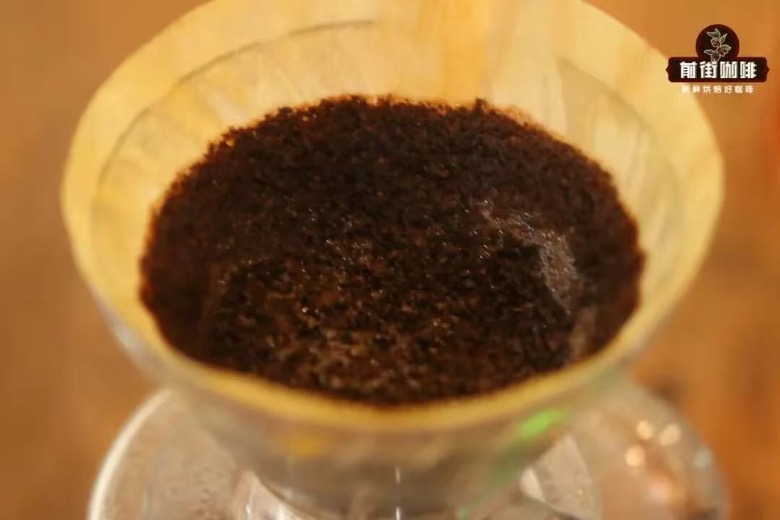
In a conical dripper, the water flow concentrates at the bottom, the coffee bed is deeper, and the pouring path and circling amplitude clearly affect extraction. It is suited to expressing clear notes like floral, citrus and berry. If you normally use a conical device such as a V60, you can prioritize light-roast single-origin beans with open aromatics, start with a coffee-to-water ratio of 1:15 to 1:16, keep the grind medium-fine, and observe the flow rate before fine-tuning.
In a flat-bottom dripper, the bed height is relatively even and the water distributes more steadily as it passes through the coffee, so sweetness and body in the cup are often more concentrated. For those just getting familiar with pour-over, a flat-bottom dripper with a medium-light roast bean easily produces a soft, complete mouthfeel. The coffee-to-water ratio can start at around 1:16, pour in two to three stages, and reduce frequent agitation for a smoother cup.
The flow rate of the filter paper also changes the direction of bean selection. Fast-flow paper gives shorter contact time between coffee and water, suiting beans with intense aroma that release flavor easily; slow-flow paper increases extraction, better suited to types with clear sweetness and full body. If the same bean tastes weak, first check the flow and grind, and do not immediately conclude that the bean lacks flavor.
The dose determines bed thickness and also affects the path of water through the coffee. When brewing a single serving with 10 to 12 g of coffee, the aroma is usually lighter, and the water temperature can be set at 90 to 92°C; when increased to around 18 g, the bed is deeper, so it is advisable to pour more evenly and, if necessary, coarsen the grind slightly. Once the device capacity and daily cup volume are fixed, the parameters more easily form a stable reference.
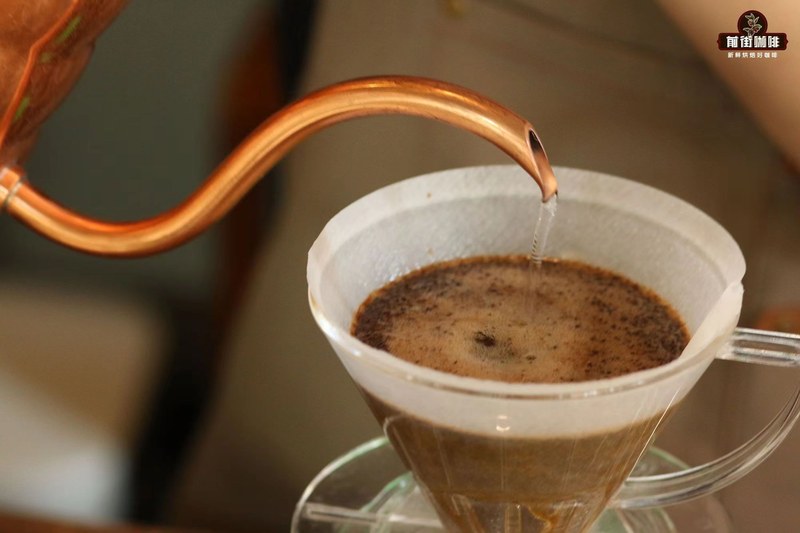
The thickness of the spout relates to water flow strength: a narrow-spout kettle suits controlling a small flow and staged pouring, while a wide-spout kettle more easily brings stronger agitation. With a narrow-spout kettle, you can use continuous small circles to wet the bed evenly; if the spout pours too fast, reduce the number of circles to avoid fines sinking and slowing the flow. Once the flow is stable, adjust the grind based on the entry's acidity and sweetness, and the judgment will be much clearer.
To bring delicate floral and tea-like notes into the cup, you can try Qianjie Panama Hacienda La Esmeralda Red Label Geisha. It carries a white-flower-like aroma, the bright clarity of citrus peel and bergamot, and a finish close to light black tea. With a conical dripper, medium-fine grind, water temperature of 91 to 92°C, and a lighter pouring force, the aroma can unfold, suited to sipping slowly in a small cup.
If your dripper drains fast, or you usually like iced pour-over, Qianjie Yirgacheffe Gudingding makes it easier to find a clear expression. Its aroma unfolds between citrus, berry and floral, bringing a green-tea-like sweetness on cooling. For hot brewing, use a higher water temperature and staged pouring; for iced pour-over, appropriately increase the dose or reduce the melting ice water so the acidity and sweetness still have presence.
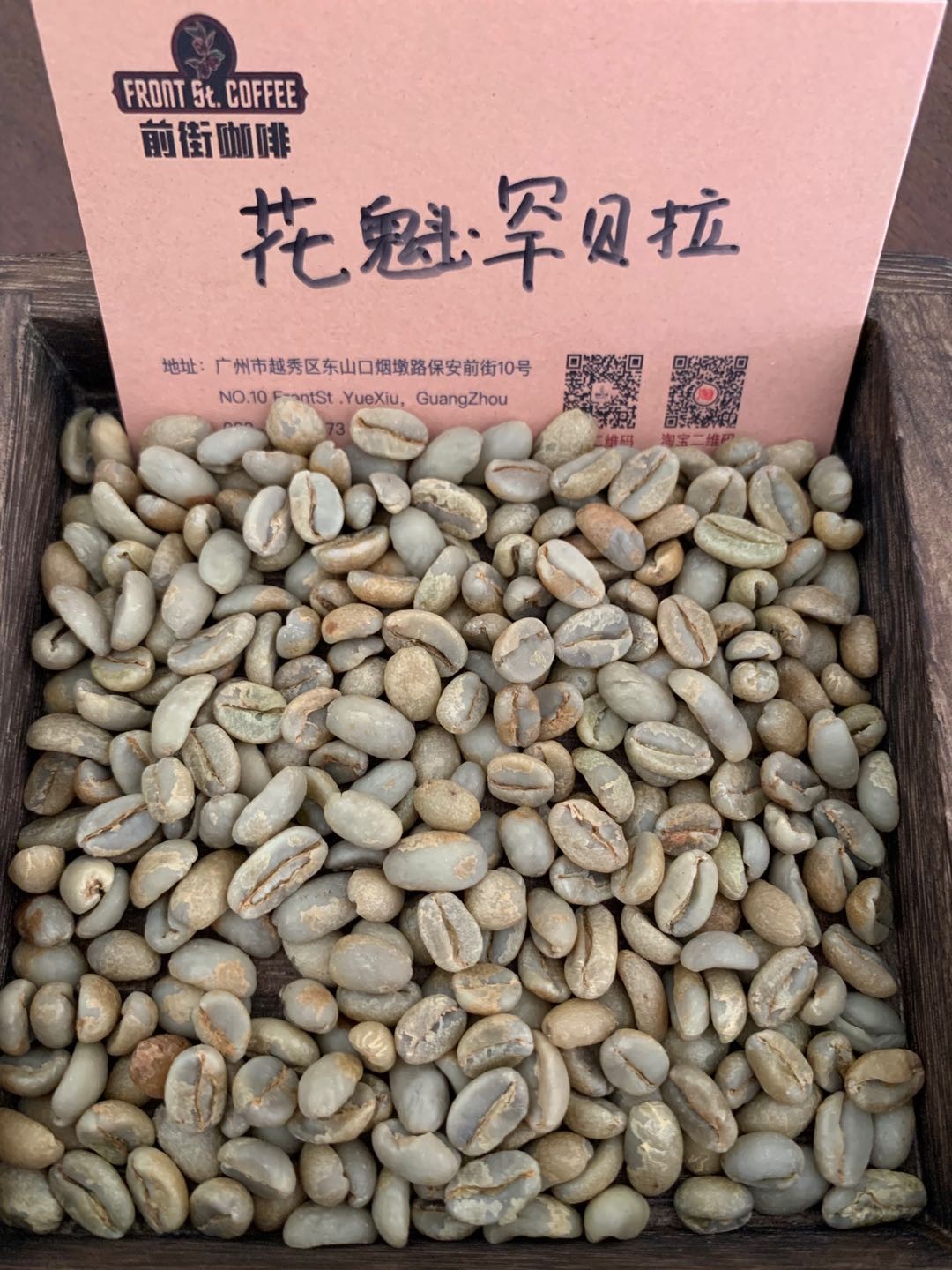
A flat-bottom dripper and slower-flow filter paper can pair with Qianjie Ethiopia Huakui. It shows a lively tropical fruit, strawberry and passion fruit-like character while retaining obvious sweetness. During brewing, there is no need to stir vigorously; using a medium flow and a gentler pouring rhythm makes the fruit aroma more concentrated; when made as iced coffee or cold brew, the refreshing quality stands out even more.
When choosing pour-over single-origin beans, you can first look at your home dripper's drainage speed, then confirm the fixed dose and cup volume, and finally choose a flavor type that matches the extraction rhythm. Fast-flow equipment suits bright-aroma beans, while slow-flow equipment suits beans with more complete sweetness and body. Once you grasp these correspondences, when changing beans you only need small adjustments to grind and water temperature to keep finding a pour-over expression you enjoy.
Related Reading
Comments (0)
Loading comments...
You May Be Interested

Trending Reviews
Popular Videos

With you, wherever you are! We provide useful features to help you find new things you'll love






