Source:Best Coffee > News Author:qjroot Published:2024-10-12 18:53:57
Friends who often buy coffee beans will surely pay attention to coffee varieties, because coffee variety is an important factor in flavor composition besides origin and processing method. On Ethiopian coffee bean listings, the most common one is "Heirloom", but recently some numeric varieties made up of a string of numbers, such as "74158" and "74110", have begun to appear in Ethiopia. So what are these varieties?
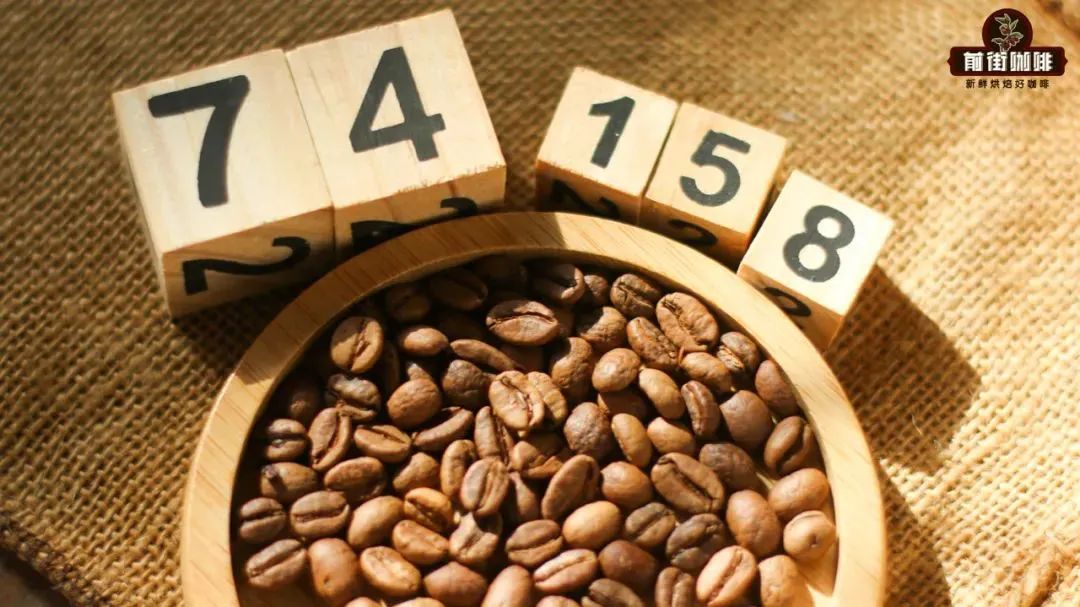
As is well known, Ethiopia is recognized as the birthplace of coffee, and the country possesses thousands of natural coffee varieties. However, due to the sheer number of varieties and the difficulty of identification and classification, many coffee beans exported from Ethiopia are collectively called "Heirloom", which is referred to domestically as "native species".
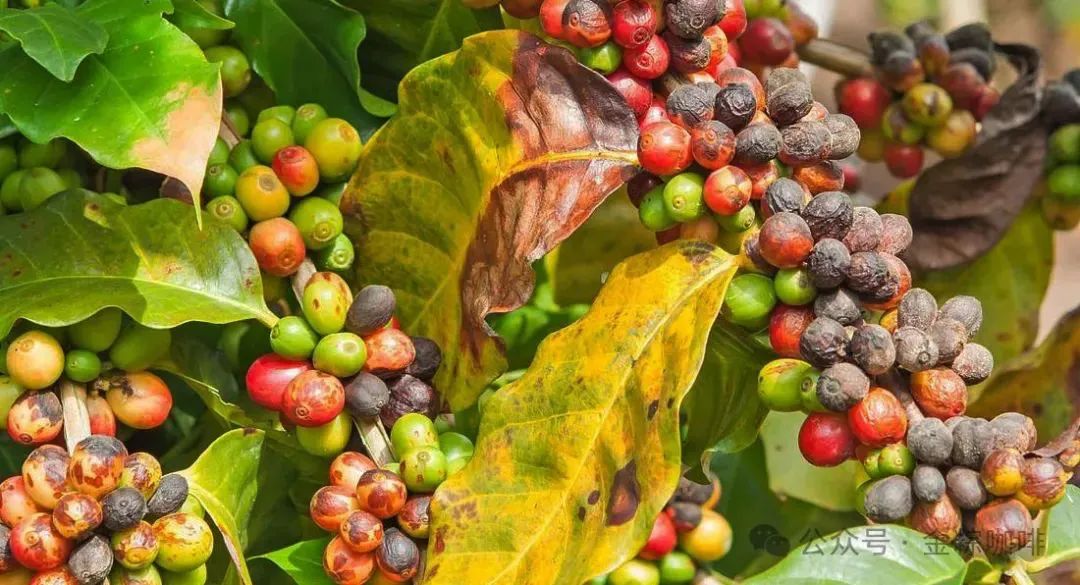
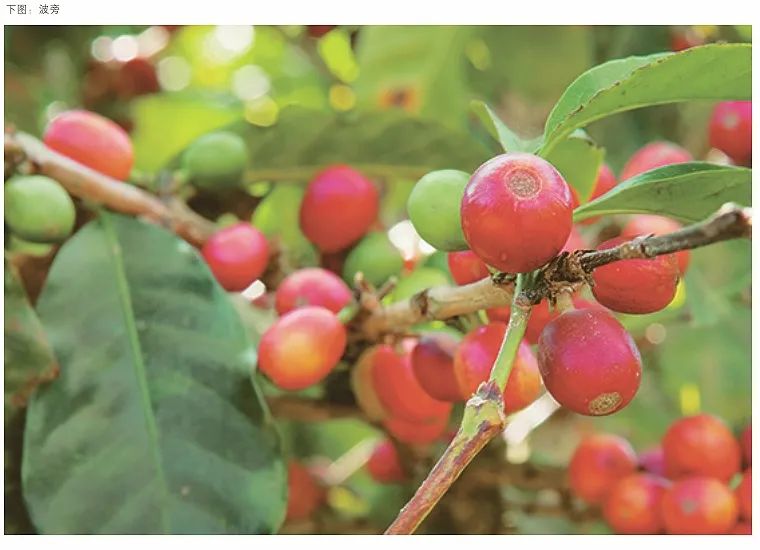
But in 1970, Coffee Berry Disease (CBD) spread across major coffee-producing regions in Ethiopia. Coffee cherries infected with this disease gradually turn from green to grayish-black and eventually die on the branches. Generally, coffee trees infected with this disease will directly reduce yield by 20%, and in more severe cases by 70%-80%. Therefore, at that time this disease brought very serious damage and economic losses to Ethiopia's coffee industry, especially in Ethiopia's important Harrar and Yirgacheffe regions, which suffered the most severe damage.
Once, coffee growers tried using chemical fungicides to prevent these diseases. Although effective, spraying pesticides in the long term only treats the symptoms, not the root cause. Therefore, the Ethiopian coffee institution Jimma Agricultural Research Center (JARC) hoped to solve the problem directly at the source by identifying varieties with highly disease-resistant genes.
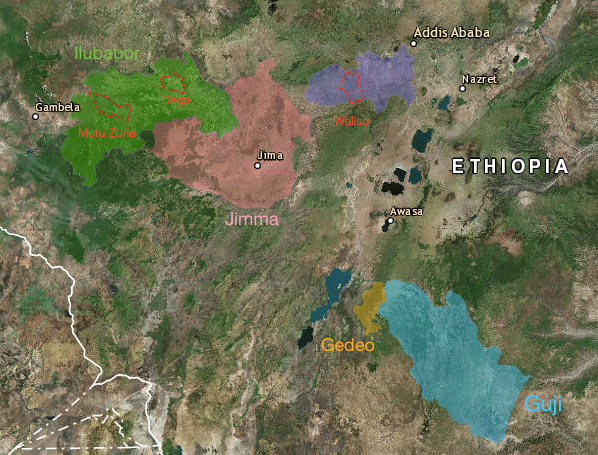
In 1973, JARC locked in a total of 19 locations in southwestern Ethiopia for collection. Over 2 years, researchers collected a total of 639 seed samples and began scientific identification and planting trials. Ultimately, a total of 13 coffee varieties were selected that are resistant to CBD and also drought-tolerant, high-yielding and excellent in flavor.
Afterward, JARC included these improved, CBD-resistant coffee varieties in the "1974/1975 CBD-Rexistent Selections" catalog. The now-common numbered varieties such as 74110 and 74158 are among the 13 CBD-resistant varieties recorded in that catalog. The first two digits, "74" and "75," represent the year of discovery, while the following three digits represent the number of the experimental sample from that year. For example, "74158" is variety No. 158 discovered in 1974.
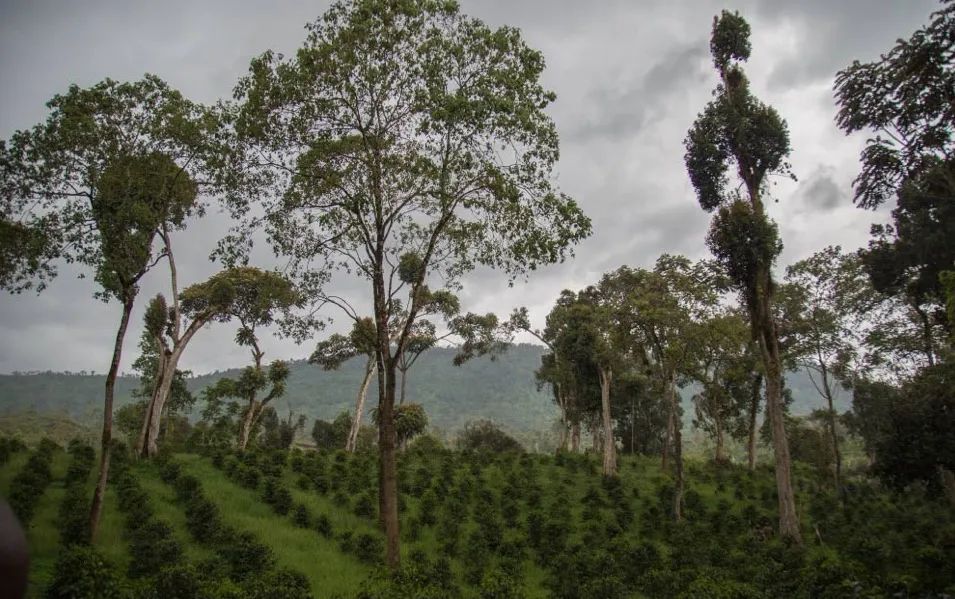
At present, the most famous and common are the three varieties 74110, 74158 and 74112. Among them, 74110 and 74112 are mainly grown in the Sidamo and Guji regions, showing citrus acidity and light floral notes; both are dwarf varieties with small beans and can be produced in volume, so they are widely planted. 74158, on the other hand, is mainly grown in areas such as Jimma and Ilubabor in southwestern Ethiopia; its beans are small, uniform and round overall, with a flavor showing soft berry notes and a distinct spicy finish.
These coffee varieties owe much of their fame to major coffee competitions, especially the 2020 and 2021 Ethiopia Cup of Excellence (COE) competitions, so the winning varieties instantly became a hit in the international coffee market and fetched relatively high prices at auction. With the development of the specialty coffee industry, the coffee market is very interested in some rare or exclusive coffee varieties, and there are more and more subdivided varieties in Ethiopia itself, so quite a few coffee farmers have begun to grow these Ethiopian numbered varieties.
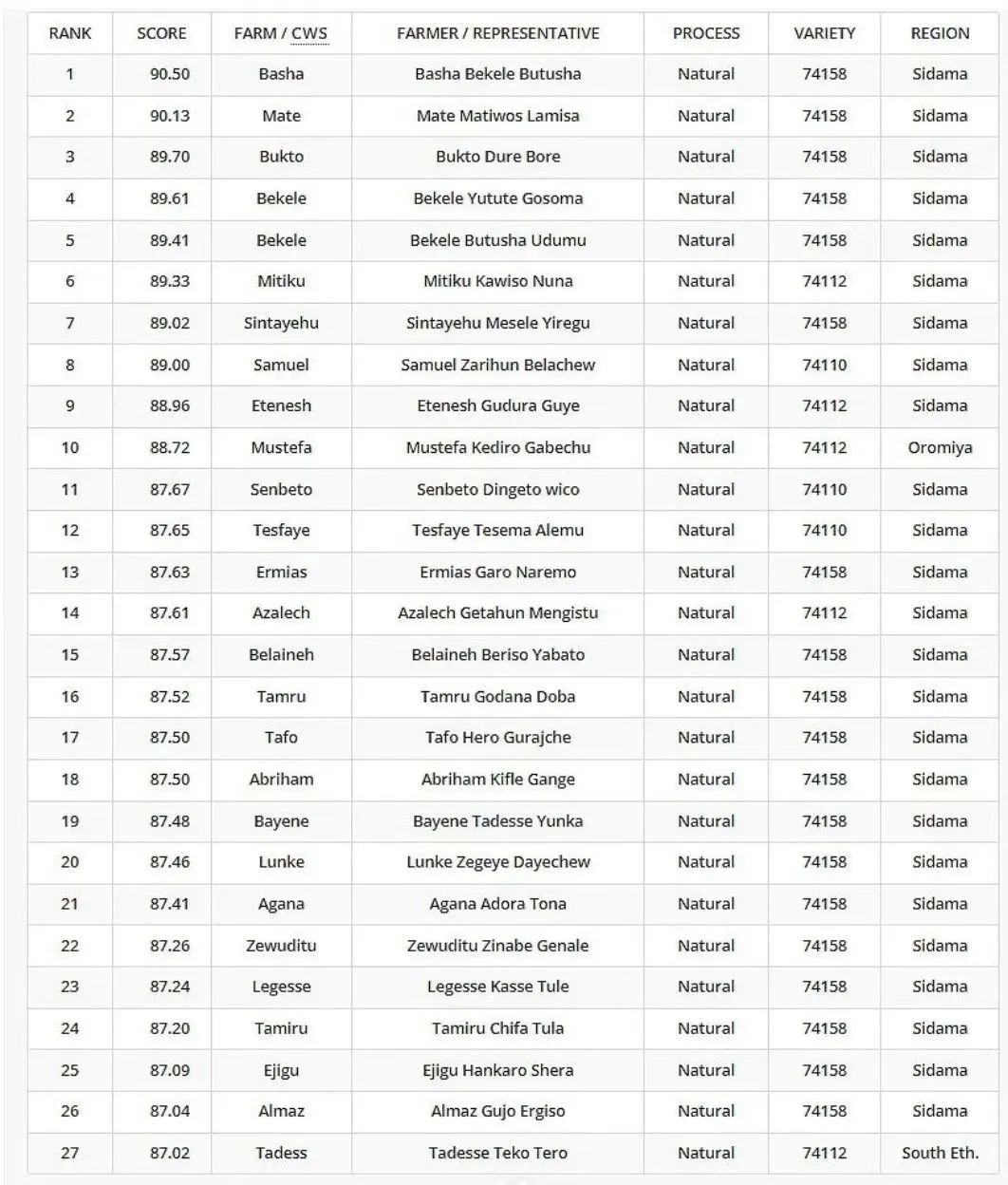
By this year's 2024 Ethiopia COE competition, out of a total of 500 competing coffees, 27 coffees scoring above 87 were ultimately selected, and all 27 of these coffees were numbered varieties. The first-place 74158 variety even fetched a high price of 445 USD/lb, showing that numbered varieties are currently very popular in Ethiopia.
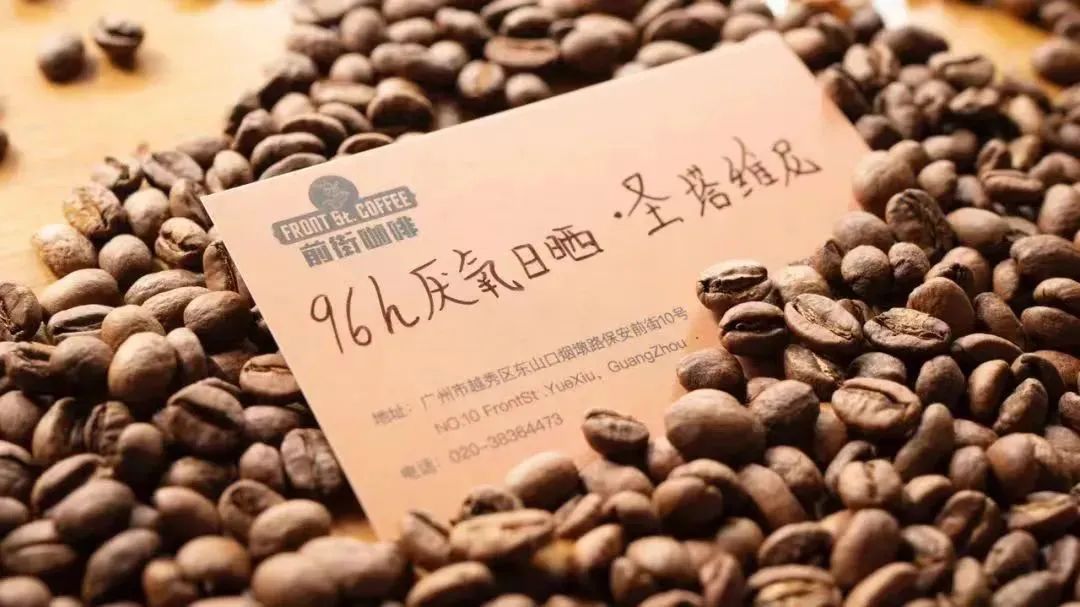
FrontStreet Coffee has also introduced the Santa Vini 74158 coffee beans from the Sidamo region of Ethiopia, using a 96-hour anaerobic natural process. After brewing, you will smell fermented wine aromas; on the palate there is soft acidity, with tropical fruit flavors such as pineapple and citrus, a mellow, full body, and a sweet aftertaste with red wine aromas.
For more information on coffee origins, please scan the QR code to follow: Coffee Review
Long-press the QR code to follow:

Related Reading



Comments (0)
Loading comments...
You May Be Interested


Trending Reviews
Popular Videos

With you, wherever you are! We provide useful features to help you find new things you'll love






