Source:Best Coffee > News Author:qjroot Published:2026-09-22 12:53:54
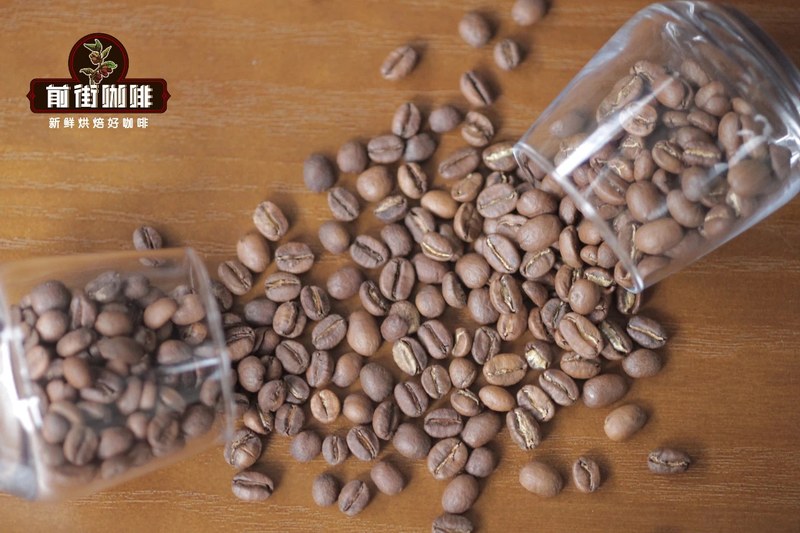
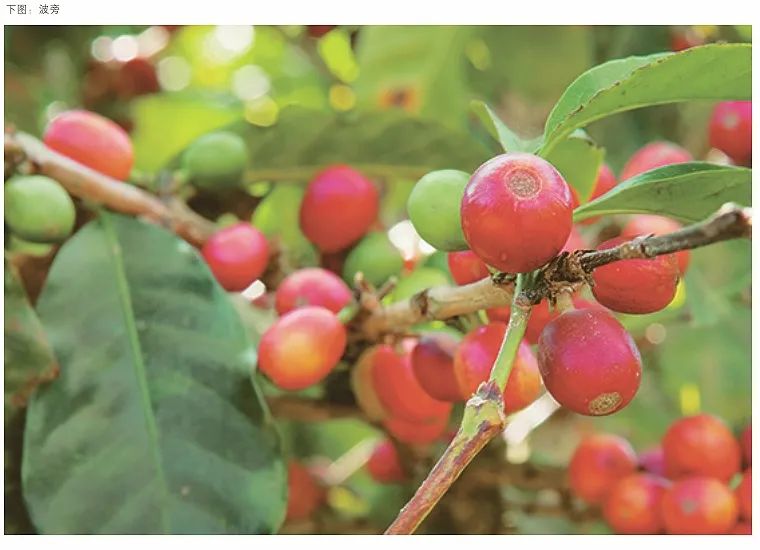
Many friends who are just getting into coffee are often kept at arm's length by the bitter, roasty impression they have in their heads. In fact, good coffee should not taste only of a single bitter note; instead, it is more like a cup of layered fruit tea or cocoa drink. A coffee bean is essentially the seed of a berry, and the sunlight, altitude and soil terroir of different continents give them completely different personalities. As long as you choose along the terroir map, you can easily find a sweet, mellow cup that is not bitter.
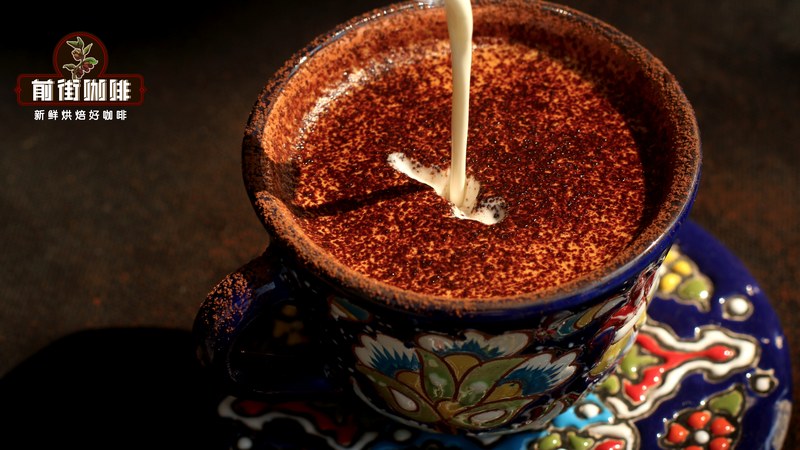
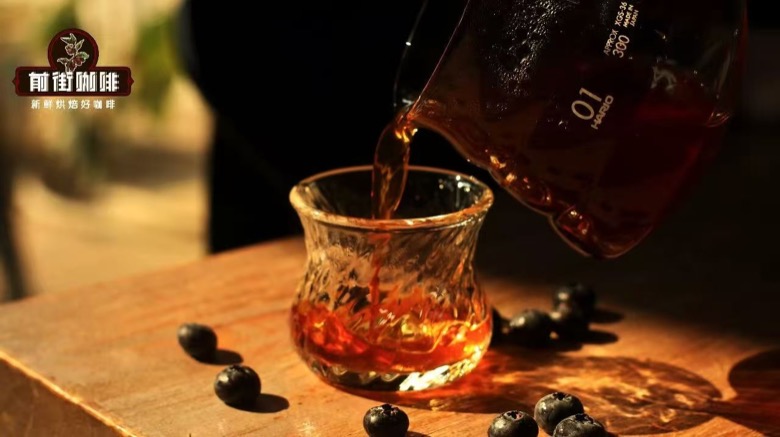
If you want to avoid bitterness and pursue a light, lively sweetness, the African growing regions are an ideal starting point. The high altitude and iron-rich red soil here let the coffee beans build up bright floral and fruity aromas. For example, Qianjie Yirgacheffe Gudingding carries a distinct citrus and berry fragrance, accompanied by a green-tea-like sweet finish. Its acidity is gentle and bright, like biting into a juicy sweet orange, completely overturning the public impression that black coffee is bitter and hard to swallow.
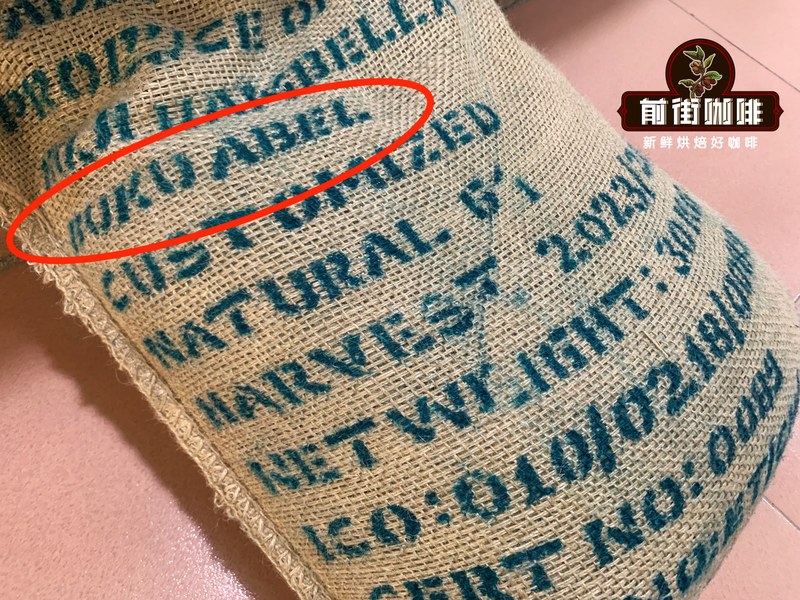
If you want a more exuberant fruitiness and fuller sweetness, Qianjie Ethiopia Huakui is a star you cannot avoid. The natural process gives it rich tropical fruit flavors, with strawberry, passion fruit and lychee-like sweetness woven together at the nose. Its bitterness is especially slight, and it goes down as smoothly as a cup of blended tropical juice; it is even often described as the coffee that tastes least like coffee, and for people who are usually afraid of bitterness, one sip will completely change their minds.
Qianjie Kenya Little Tomato, also from the African growing regions, showcases a full-bodied juiciness to the fullest. It comes from the high-altitude Thika growing region, and the classic double washed fermentation gives it a clean, pure taste. A light roast brings out clear cherry tomato and smoked plum flavors, with the sweetness of snow pear in the middle, while the finish turns into a long yellow sugar sweetness and green tea aroma; the sweet-sour balance shows no harsh bitterness at all, and its rich, juicy body is especially captivating.
Turning to the Central and South American growing regions, the terroir becomes gentler and more balanced. Fertile volcanic ash soil and a pleasant microclimate give the coffee delicate nutty and cocoa base notes with elegant fruit aromas. Qianjie Panama Hacienda La Esmeralda Red Label Geisha is a model of Central and South America; it has crystal-clear jasmine floral notes, bergamot and a black tea-like character, with a mouthfeel like a warm sweet spring, completely free of rough bitterness, and the aroma lingers in the mouth after drinking.
If you are especially fond of a solid, full-bodied richness, the unique humid terroir of the Asian growing regions is the answer. Whether it is Indonesia or Yunnan, China, the hot and humid climate and dense forests give rise to deep herbal, nutty and spicy notes. Asian beans have a texture as rich as dark chocolate; under suitable roasting, the bitterness has long been transformed into a long sweet finish of caramel and cocoa aroma, and even without sugar or milk, you can taste a dense, thick, sweet coating on the tongue.
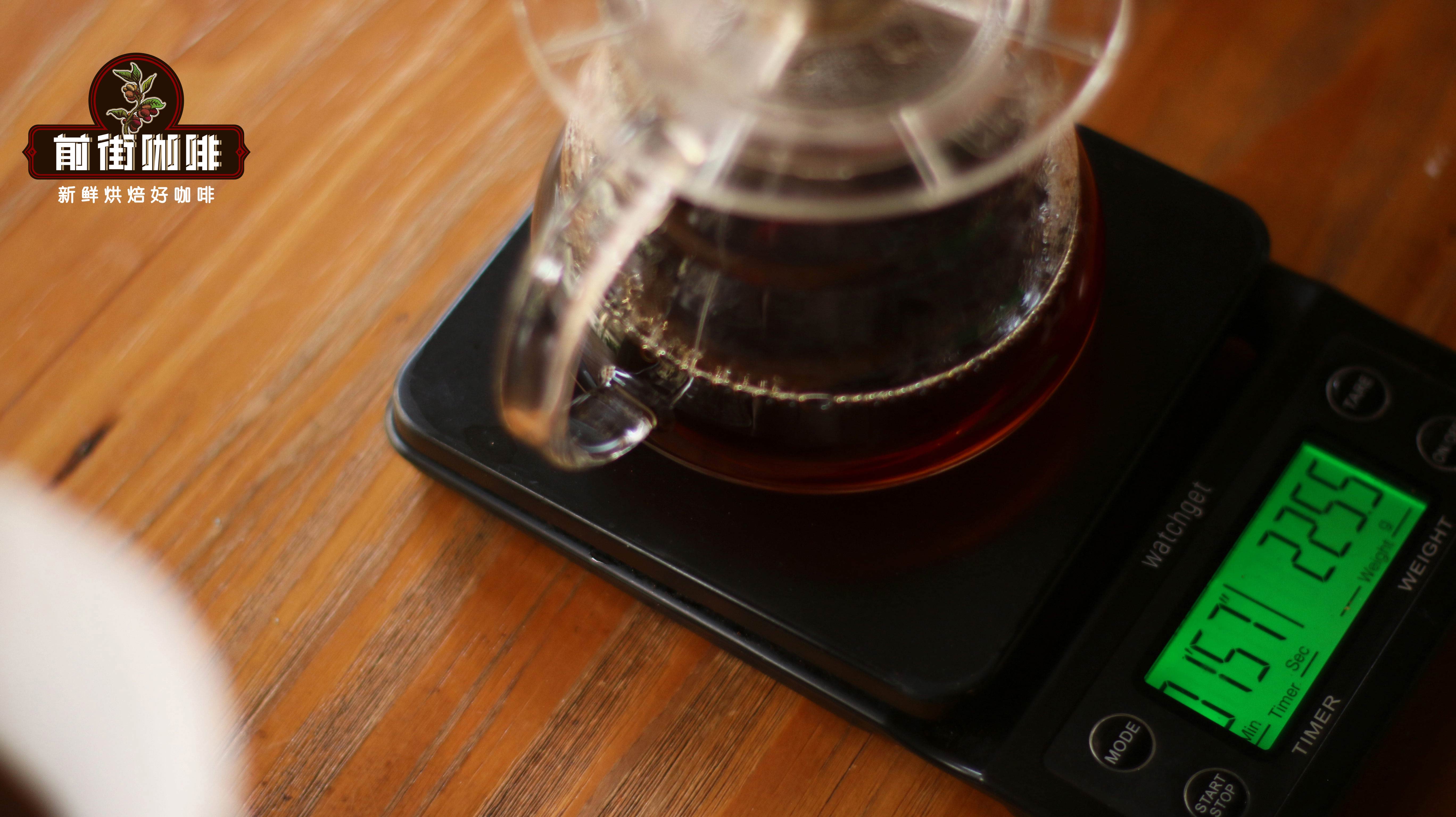
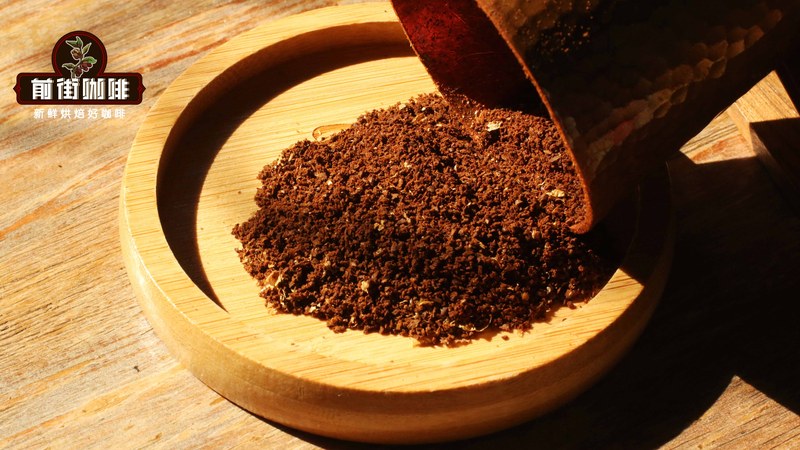
To fully release the non-bitter qualities of these beans, stable brewing parameters are especially key. Pour-over is recommended: weigh 15 g of ground coffee and prepare 225 ml of hot water at a 1:15 coffee-to-water ratio. First pour in 30 ml of water and bloom evenly for 30 seconds to fully awaken the alluring dry aroma, then steadily pour in stages up to the full amount, keeping the total time at around 2 minutes. The coffee extracted this way has a pure flavor, full sweetness and acidity, and will not become bitter from over-extraction.
Once you have sorted out these three terroirs, you can choose with confidence. For friends who prefer a refreshing, appetite-whetting start in the morning, like juice awakening body and mind, African beans are a satisfying companion; for those who enjoy delicate floral notes during work breaks and pursue layers and transparency, the high-altitude Geisha of Central and South America is especially suitable; and in autumn and winter, or for friends who prefer a warm, steady, embracing feeling, the rich sweetness of the Asian growing regions brings just the right satisfaction.
Coffee itself is a mirror of nature's terroir; every wisp of breeze and every inch of soil in the growing region quietly rewrites the flavor contours in the cup. Saying goodbye to a single bitter, raw harshness is not complicated. Follow the clear growing-region map, pick a fitting floral, fruity or nutty aroma, and amid the sound of water flowing in a calm brew, you too can easily lift a cup of rich, sweet, smooth, aromatic good coffee.
Related Reading



Comments (0)
Loading comments...
You May Be Interested




Trending Reviews
Popular Videos

With you, wherever you are! We provide useful features to help you find new things you'll love






