Source:Best Coffee > News Author:qjroot Published:2026-10-10 13:05:26
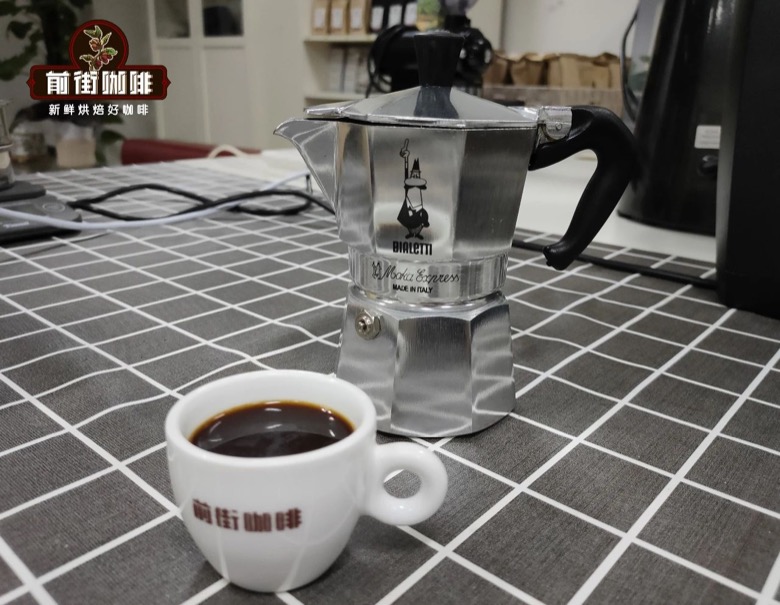
For that morning cup of black coffee, I usually want to taste the bean's true character. At times like this I pick a washed or natural single-origin bean, light-medium roast, bright acidity, with clear, straightforward floral and fruity aromas. For example, Qianjie Emerald Estate Green Label Geisha, washed process, white florals paired with citrus acidity, with a mouthfeel as clear as green tea. When I brew pour-over I use 15 g of grounds, a 1:15 coffee-to-water ratio, water temperature controlled at 90 to 93°C, a V60 dripper with a 30-second bloom first, and a total extraction time of about two minutes. Coffee brewed this way has distinct layers; take a sip on an empty stomach in the morning and the flavor path is especially clear, from floral to citrus to a tea-like note, and you wake up along with it. Black coffee is not only made by pour-over; cold brew, drip bags, French press and straight drinking from a moka pot all count, and the core is adding no milk, letting the bean's own delicate aromas reach the taste buds directly.
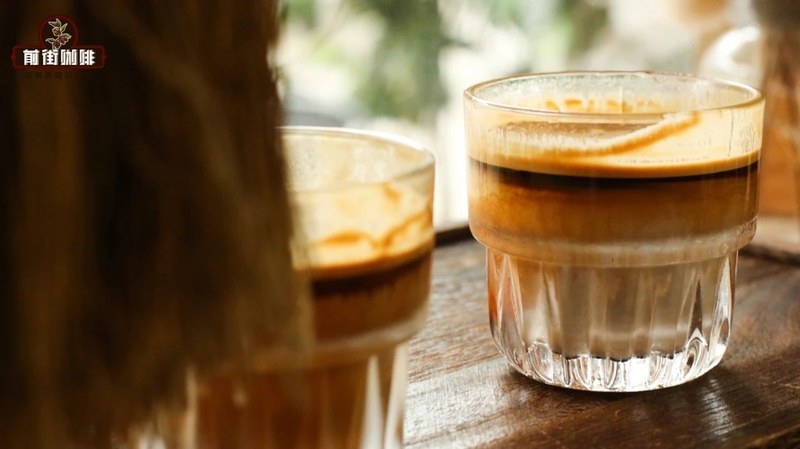
For that afternoon cup of white coffee, what I want is smoothness and sweetness, and at this point I need to switch to espresso beans. The floral and fruity notes of single-origin beans are easily masked by a large amount of milk, whereas medium-dark roasted espresso beans have thick crema, and after blending with milk the sweetness is instead brought out. Qianjie Black Cocoa Blend is a medium-dark roast, Yunnan washed small-bean paired with Brazil semi-washed, with creamy chocolate and cocoa cookie flavors, and crema showing a golden luster. When I make a double espresso I take 19 to 20 g of grounds, extract 38 to 40 g of coffee liquid, control the time at 25 to 30 seconds, and the crema thickness is about 3 mm. When mixing with milk, the coffee to milk ratio is about 1:5, the milk is steamed to 55 to 60°C, and what enters your mouth is a balanced, smooth latte. Qianjie Queen Estate SOE is likewise suited to milk coffee, a high-altitude Brazilian Yellow Bourbon, with medium-dark roasting bringing out creamy peanut and nutty aromas, low acidity, beautiful crema, and it is full of aroma whether made into a cappuccino or a flat white.
Why must they be chosen separately? I have tried making a latte with single-origin beans, and the floral and fruity acidity was covered by the milk, leaving only a thin acidity; I have also tried making pour-over directly with espresso beans, and the body was too heavy, drinking dull. The two sets of beans each do their own job, and this is actually determined by the logic of extraction. Single-origin beans emphasize flavor layers, suited to slow extraction so substances are released gradually; espresso beans pursue concentration and crema, and only high-pressure fast extraction can support the skeleton of milk coffee. Qianjie Papua New Guinea Bird of Paradise is a triple-washed Typica, medium roast, with toasted bread and nutty sweetness as the base, punctuated by soft fruit acidity, smooth and balanced in the mouth, very comfortable as pour-over or Americano, and a reliable choice for morning black coffee.
Of course you can also keep a bean that works both ways as a transition. But my experience is that once you have tried them separately, it is hard to go back. When I drink black coffee in the morning, what I want is clarity of flavor, like the washed transparency of Qianjie Emerald Estate Green Label Geisha; when I drink white coffee in the afternoon, what I want is blended sweetness, like the chocolate flavor of Qianjie Black Cocoa Blend interwoven with milk. Two needs, two sets of beans, each with a clear positioning.
As for freshness, Qianjie coffee beans are all roasted within 5 days at shipping. Pour-over single-origin beans should rest 3 to 5 days before you start drinking them, while medium-dark roasted espresso beans need a 5 to 7 day resting period, and the flavor performs better if drunk within a month. Resting beans is not mysticism; it is about letting carbon dioxide escape moderately, so the water flow is more stable during extraction and the aromas are released more completely.
In the end, two cups of coffee a day: the morning cup is a sobering ritual for yourself, the afternoon cup is a gentle buffer for yourself. Single-origin beans and espresso beans, black coffee and white coffee, once you find each one's positioning, everyday brewing becomes much more effortless.
Related Reading




Comments (0)
Loading comments...
You May Be Interested




Trending Reviews
Popular Videos

With you, wherever you are! We provide useful features to help you find new things you'll love






