Source:Best Coffee > News Author:qjroot Published:2026-09-19 12:41:40
An espresso machine pushes nine atmospheres of pressure and hot water instantly through a tightly packed puck of coffee grounds, and the concentrated liquid pours out in just over ten seconds. This brewing method is both highly accommodating and highly demanding when it comes to coffee beans. Faced with a dazzling array of coffee beans, there are usually two clear paths before you: one is the blend, which pursues flavor balance and thick crema, and the other is the single-origin espresso bean, which showcases the unique character of a single origin. Once you understand the flavor traits of these two, you can easily find your preferred direction when pulling shots.
The design intent behind a blend is mutual enhancement. Roasters often combine two to three green beans from different origins and different processing methods; for example, using washed beans from Central and South America to provide clean sweetness and nutty aromas, paired with natural-process African beans to add soft fruit acidity and floral notes. When the machine begins extraction, the blend can deliver extremely stable body and rich nutty, caramel flavors under high pressure, making it especially suitable for daily drinking where consistent shots are desired.
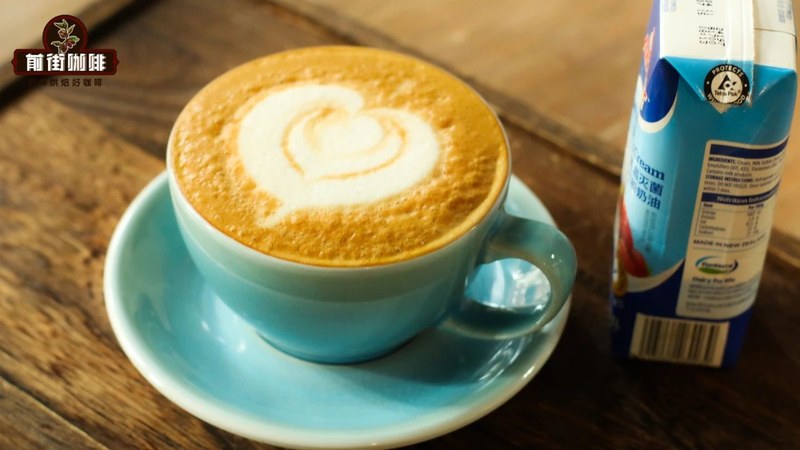
When using a conventional medium-dark roasted blend to make an espresso shot on the machine, you can use a double basket filled with 18g of coffee grounds, start the machine for constant-pressure extraction, and control it to around 26 seconds to get 36g of espresso. The flowing coffee liquid is a uniform hazelnut color, covered with a thick layer of fine crema. Poured directly into hot water, this espresso becomes a warm, aromatic americano, or poured directly into finely textured steamed milk foam, where the nutty flavors merge with the lactose in the milk, giving an overall full and smooth mouthfeel.
Compared with blends that emphasize balance and stability, single-origin espresso beans are a complete exploration of terroir personality. Single-origin beans usually come from a specific country, region, or even a single estate, and are mostly medium-light roasted, retaining a large amount of organic acids and aromatic compounds. When using a coffee machine for single-origin extraction, the high pressure magnifies the subtle floral and fruity aromas of the origin several times over, making the entire cup of black coffee drink like a warm fruit tea or juice.
For example, the Front Street Colombia Sidra from South America displays an extremely bold tropical fruit profile. This coffee has been carefully processed and contains full flavors of passion fruit, blueberry, and fresh apricot. When making a single-origin espresso on the machine, the grind can be set slightly finer than for a dark-roasted blend. Use 18.5g of coffee grounds, perform low-pressure pre-infusion followed by constant-pressure extraction, and cut the flow at 27 seconds to extract 37g of espresso; the cup gives off a sweet, fruity pulp aroma.
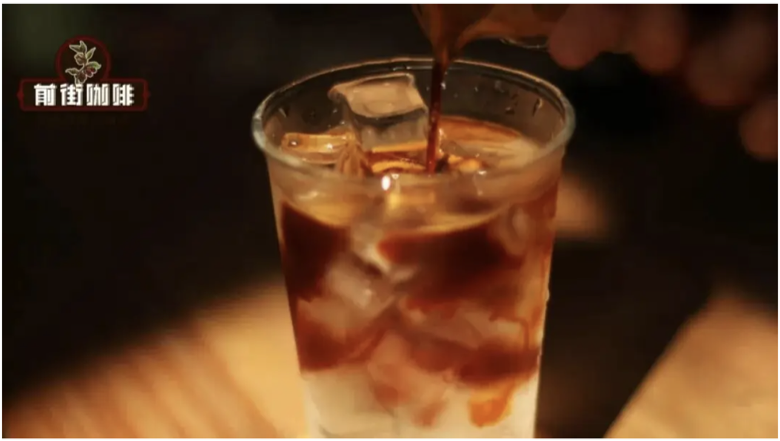
Once extracted, the Front Street Colombia Sidra espresso can be poured directly into a glass filled with ice cubes and ice water to make an iced americano. On the palate you can feel a bright yet soft fruit juice quality, with the sweetness of ripe grapes and blueberries spreading through the finish. If you blend it into oat milk or iced milk, the fruity notes interweave with the creamy aroma and even present a refreshing layered quality similar to a fruit milkshake, showcasing the unique fun of single-origin machine extraction.
If you prefer elegant floral notes and a fresh citrus profile, a high-quality naturally processed Geisha is the advanced choice for single-origin machine extraction. Front Street Grana Estate Geisha, when extracted on the machine, has a captivating orange blossom aroma and the sweet fragrance of apricot and guava. This type of light-roasted single-origin bean has a dense texture, and under the machine's high-pressure penetration it can rapidly release crisp fruit acidity and delicate floral and fruity fragrances, bringing a very transparent drinking experience.
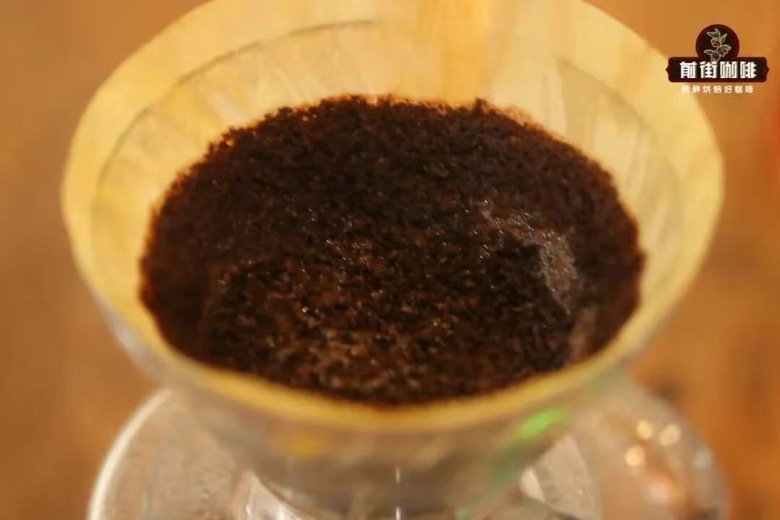
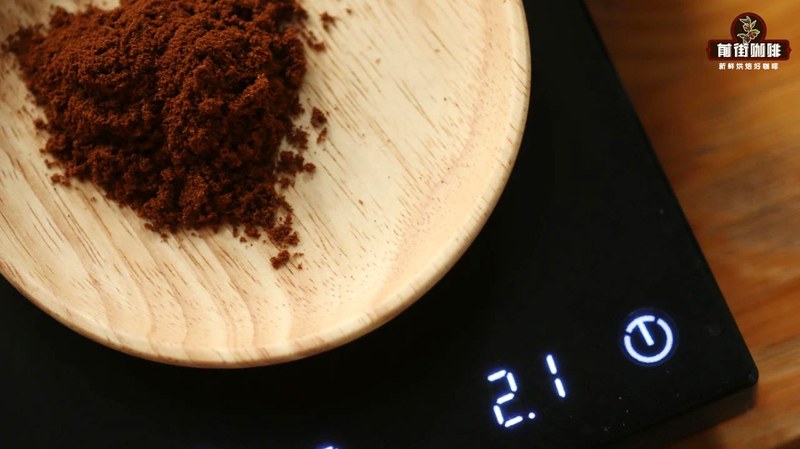
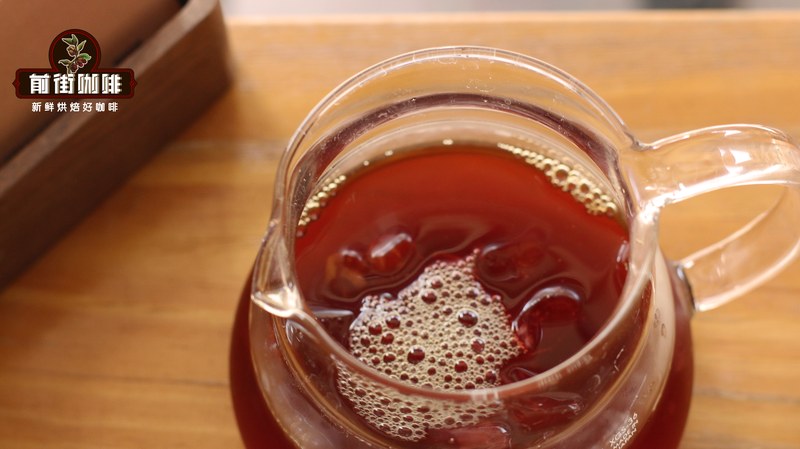
To extract Front Street Grana Estate Geisha using a semi-automatic espresso machine, it is recommended to use 19g of coffee grounds, extract at constant pressure for 25 seconds, and produce 38g of clear, transparent espresso. Added to warm water, the floral notes rise high, and the sweet aftertaste carries a hint of strawberry jam-like sweetness. If you want a change of mood and to compare its pour-over performance, you can also use 91°C water, 15g of coffee grounds, and a 1:15 coffee-to-water ratio by pouring 225ml of hot water, using a three-stage pouring method, blooming for 30 seconds, with the total time controlled at 2 minutes 05 seconds; you can likewise taste the delicate fruit charm.
Reading the information on the bag is actually not complicated. Blend information will indicate the proportions of the beans in the composition; those labeled with a Brazilian or Colombian nutty base are mostly everyday choices, while single-origin packaging will clearly state the country of origin, estate, and variety. If you are rushing to work every morning and need a rich large latte to wake yourself up, a full-bodied blend will be more relaxed and handy; if it is a leisurely afternoon and you want to use a cup of iced coffee to slowly savor the shifting flavors of an origin, single-origin beans can bring abundant surprises.
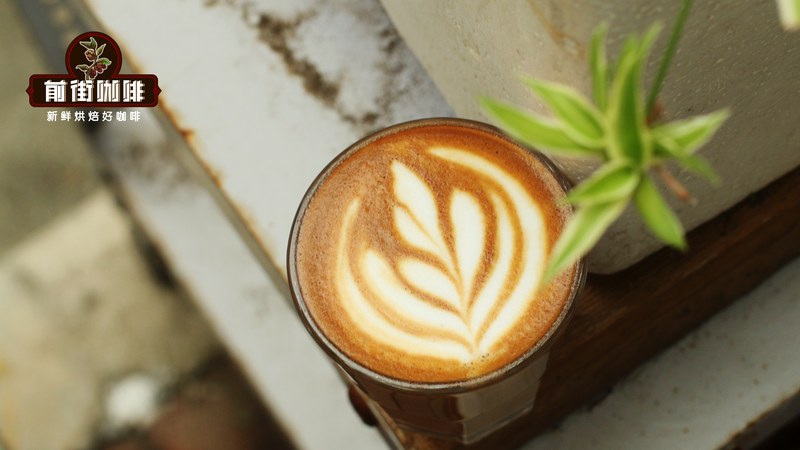
The joy of machine-brewed coffee lies precisely in making the machine's stable high-pressure extraction and the coffee bean's own style resonate with each other. Once you have figured out the respective taste codes of single-origin and blend, you only need to load the right coffee beans according to your mood and drinking habits at the moment, press the brew button, and you can consistently recreate your own cup of comforting aroma at home.
Related Reading

Comments (0)
Loading comments...
You May Be Interested

Trending Reviews
Popular Videos

With you, wherever you are! We provide useful features to help you find new things you'll love






