Source:Best Coffee > News Author:qjroot Published:2026-08-22 17:49:23
Crema is often treated as a badge of "good espresso," but one overlooked fact is this: the relationship between the amount and quality of crema and the extraction yield is intricate and complex - under-extracted espresso does not necessarily have less crema, and over-extracted espresso does not necessarily have thin crema. This time, using the same dark roast bean for an extraction gradient experiment, we observe the real performance of crema under three states: under-extracted, moderate, and over-extracted.
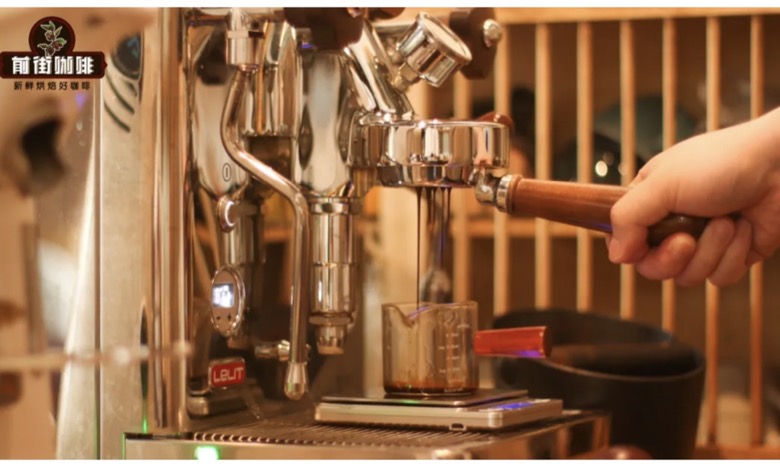
Experiment setup: Qianjie Classic Blend, 18 g of grounds, grind size fixed, extraction time used to control the state: 12-second yield (under-extracted group), 27-second yield (moderate group), 45-second yield (over-extracted group), with liquid weight uniformly 36 g. Crema observation indicators: thickness, color, dissipation speed, and mouthfeel.
Under-extracted group: crema is puffy and bloated. In the liquid extracted in 12 seconds, the crema layer thickness data is actually not bad - dark roast beans with vigorous carbon dioxide release produce a large amount of oil foam under fast extraction. But on closer observation, the crema structure is rough, the bubbles are on the large side, the color is pale, and it collapses to reveal liquid within 2 minutes. On the palate, the sweetness and acidity of the crema are clearly separated, with sharp acidity floating on the foam, while the main sweetness and body fail to keep up - a typical case of "having the shell of crema but not the soul of espresso."
Moderate group: the golden state of crema. At the normal 27-second extraction, the crema thickness is slightly inferior to the under-extracted group, but the texture is comprehensively superior: the tiger-stripe pattern is clear, the bubbles are fine and dense, and dissipation is slow, with a complete oil film still present after standing for 5 minutes. On the palate, the crema and liquid are integrated, and the layered progression of sweetness first, then bitterness is previewed in the oil layer. This set of data shows that the value of crema is not in the thickness number, but in structural density and persistence.
Over-extracted group: crema decay. At the extreme 45-second extraction, crema thickness clearly decreases, the color darkens, the foam layer is thin and cracks at the edges, and dissipation is fast. More critically, the taste: the bitterness and smoky notes carried by the crema are heavy, and an obvious burnt bitterness can be tasted in the foam - over-extraction not only takes away the form of crema, but also contaminates its flavor.
The comparison of the three groups yields a practical conclusion. Crema is a health indicator light, not a vanity project: fine, tiger-striped, persistent crema corresponds to healthy extraction; thick but rough, fast-collapsing crema is instead a signal of under-extraction. Daily judgment mnemonic: look at texture, not thickness - crema with clear tiger stripes and complete aroma is far more reliable than crema that is merely thick.
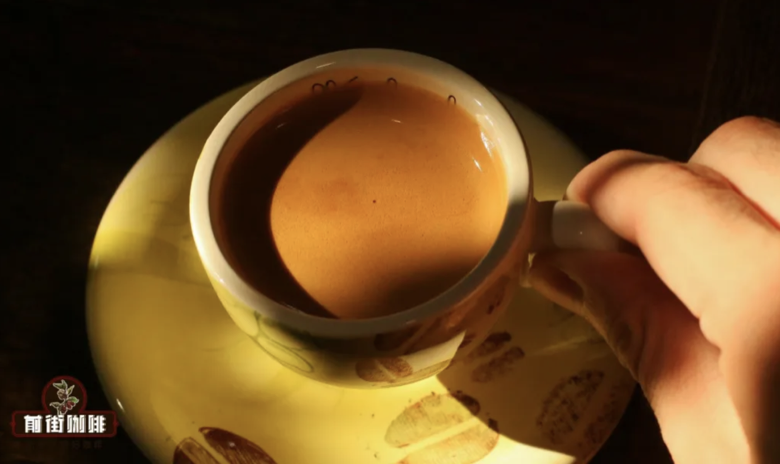
Extending to bean selection: the baseline amount of crema is determined by the bean (dark roast beans have more carbon dioxide, so crema is naturally richer), while the quality of crema is determined by extraction. If you want crema that is both thick and good, choose a dark roast blend like Qianjie Classic Blend to lay the foundation, then use healthy extraction parameters (25 to 30 seconds, 1:2 coffee-to-liquid ratio) to build the house. In the subject of crema, beans and skill each account for half the credit.
Related Reading

Comments (0)
Loading comments...
You May Be Interested



Trending Reviews
Popular Videos

With you, wherever you are! We provide useful features to help you find new things you'll love






