Source:Best Coffee > News Author:qjroot Published:2026-09-07 12:59:27
The floral and fruity aromatics of light-roasted beans are enchanting, but they are also more sensitive to brewing conditions. With the same bag of beans, a slight change in water temperature, contact time of the coffee bed, or extraction ratio can turn the cup from bright fruity acidity to astringency, or from clean sweetness to thinness. When selecting beans, it helps to consider the brewing method you plan to use alongside them, then set suitable parameters for the beans.
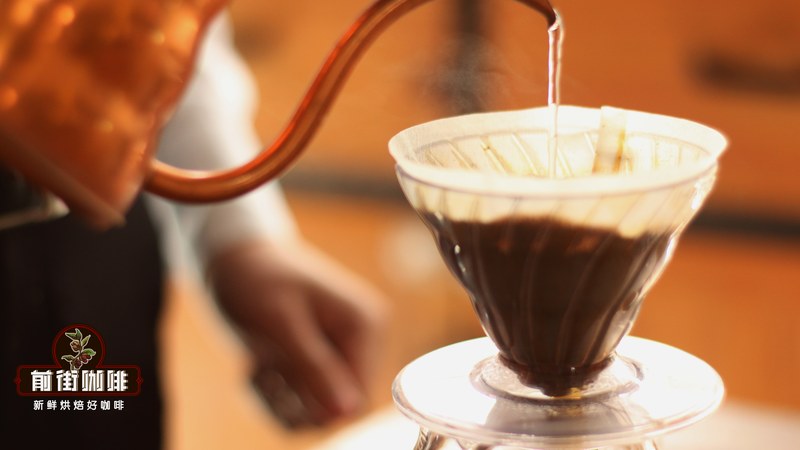
For pour-over of light-roasted beans, you can start with a higher water temperature. With an ordinary household dripper, use water at 91 to 94°C, with a coffee-to-water ratio between 1:15 and 1:16, for example 15 g of ground coffee with 240 g of water. If the water temperature is too low, the floral notes and fruity acidity tend not to come through; when the temperature is raised, the sweetness and aroma become fuller, but if astringency appears in the finish, it means you need to reduce agitation or shorten the brew time.
Grind size should be judged in coordination with the dripper's flow rate, not just by the setting number. If the total brew time is very short, the entry is sharp and sweetness is lacking, you can grind a little finer, or slow down the pouring in the early stage to give the coffee bed more chance to contact the water. If the flow is sluggish and the cup dries out the tongue, grind coarser as appropriate and reduce the number of pours. Light-roasted beans usually need a certain amount of extraction, but that does not mean the slower the flow the better.
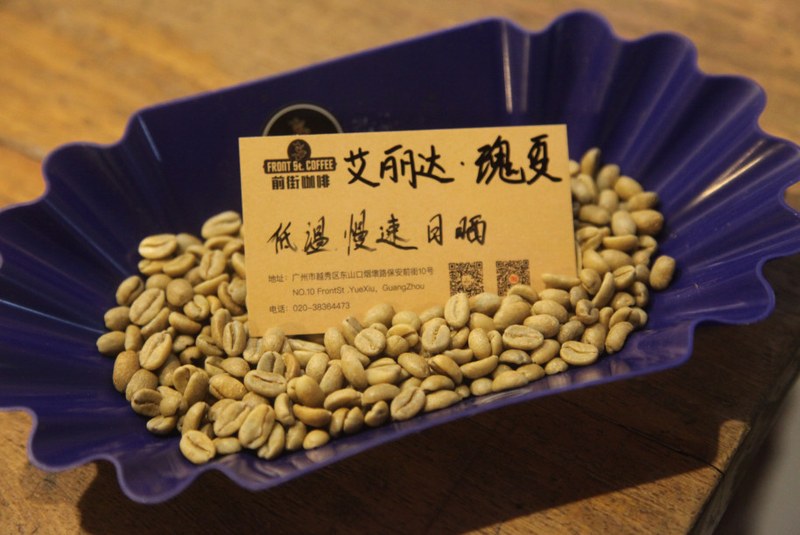
Qianjie Panama Hacienda La Esmeralda Red Label Geisha is suited to a more unhurried pour-over approach to show its character. Its aroma can be understood in the direction of white flowers, citrus peel and black tea, with a light and delicate mouthfeel. You can use 15 g of coffee, 250 g of water, 92°C water temperature, pour in three stages, and keep the total time at around 2 minutes 40 seconds. After the temperature drops, the sweetness and tea-like quality become clearer.
If the Geisha comes out tasting only sour, you can raise the water temperature by 1 to 2°C, or adjust the grind slightly finer; if the aroma is strong but carries a drying sensation, reduce the water volume and agitation in the later stages. For light-roasted beans with delicate aromatics, the pouring height should not be too high, and keeping a steady stream allows the cup to show more softness and makes it easier to distinguish the changes in floral notes, citrus and tea character.
Qianjie Colombia Sidra has a more vivid juicy quality, and associations like passion fruit, blueberry, grape and apricot are easily amplified by iced drinks. For pour-over, you can use 16 g of coffee, 240 g of water, and a water temperature of around 93°C, first blooming with a small amount of hot water, then completing the extraction in two to three stages. If making iced pour-over, you can replace part of the total water with ice cubes, so the aromatics extracted by the hot water land directly on the ice.
For this type of fruit-forward bean, if the grind is too coarse it tastes sour and hollow, while if too fine it easily turns the berry notes sharp. If the cup has aroma in the early stage but lacks sweetness in the later stage, you can grind slightly finer; if the finish turns astringent, give priority to reducing disturbance of the coffee bed rather than continuing to add water. If you prefer a more refreshing mouthfeel, you can widen the coffee-to-water ratio to 1:17; if you like a juice-like concentration, keep it near 1:15.
When light-roasted beans are used for espresso, the approach differs from pour-over: you need to rely on a higher coffee-to-liquid concentration to support the aromatics. Taking 18 g of coffee as an example, you can first set the yield at 36 to 42 g, with a time of about 28 to 34 seconds, keep the pressure near 8 to 9 bar, and the water temperature at about 93 to 94°C. The grind should be finer than for pour-over, but the specific setting depends on the machine, the burrs and the density of the beans; the flow speed of the yield is more worth observing than the setting number.
If the espresso tastes sharply sour and feels thin in texture, it usually means effective extraction is insufficient, so you can adjust the grind one step finer, or narrow the yield from 42 g to 36 to 38 g. If bitterness and a drying sensation are obvious, you can adjust slightly coarser, shorten the yield, or lower the water temperature by 1°C. Pressure is not more powerful the higher it is; for light-roasted beans, keeping it steady in a range below the conventional high pressure is often more helpful for preserving fruity aromatics and sweetness.
When making SOE with Qianjie Yirgacheffe Gudingding, you can start with 18 g of coffee, 36 g of liquid weight and around 30 seconds, with the water temperature set at 93°C. Its citrus, berry and floral notes become more concentrated in espresso form, with a finish that carries a green tea-like sweetness. If you plan to add milk, you can narrow the yield to 32 to 34 g to increase the density of the coffee liquid, so the aromatics remain recognizable within the milk flavor.
The same light-roasted bean does not have to be fixed to one way of drinking. For pour-over, when pursuing expansive aromatics, you can use a higher water temperature and a wider coffee-to-water ratio; for espresso, tighten the yield and control concentration through grind and time. After each adjustment, first observe the order in which sourness, sweetness and bitterness appear, then decide the next change. Once you find the point where the bean and the parameters work together, light-roasted coffee can have both bright aromatics and comfortable sweetness.
Related Reading


Comments (0)
Loading comments...
You May Be Interested

Trending Reviews
Popular Videos

With you, wherever you are! We provide useful features to help you find new things you'll love






