Source:Best Coffee > News Author:qjroot Published:2026-09-07 13:58:35
The appeal of authentic Jamaican Blue Mountain coffee lies not only in its soft acidity and clean mouthfeel, but also in its smooth entry and delicate sweetness, with layers that remain harmonious even as the temperature drops. Once you have bought the beans, brewing them with the parameters for ordinary coffee may scatter that delicacy. To drink it knowingly at a reasonable price, the key is to first confirm the identity of the beans, then arrange the parameters according to the roast and the equipment.
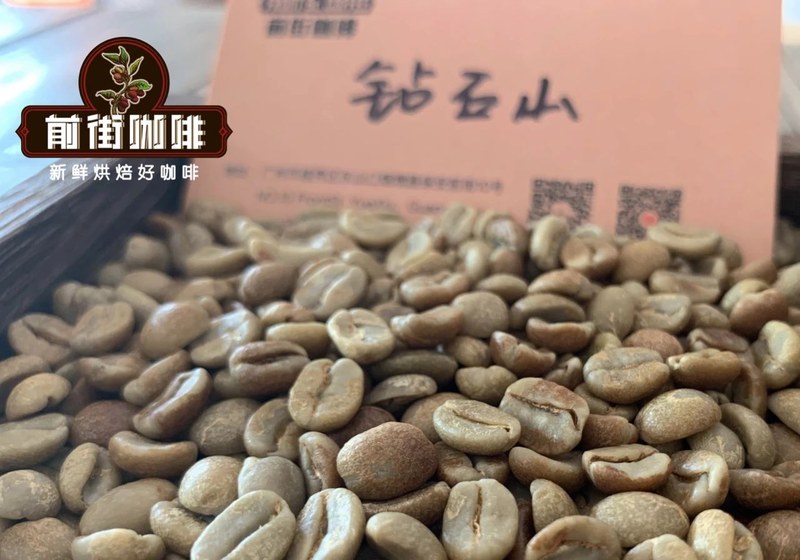
On the packaging you should be able to see Jamaica Blue Mountain or information about the related Jamaican Blue Mountain growing region, and pay attention to the estate, the region's scope, the batch and the grade description. If it only says "Blue Mountain flavor" or "Blue Mountain blend", that usually means it borrows the flavor concept and is not 100 percent Jamaican Blue Mountain. Genuine Blue Mountain beans usually do not come at too low a price, but small-format packaging, current-season batches and products with clearly marked origins are better suited to ordinary consumers controlling the cost of trying it.
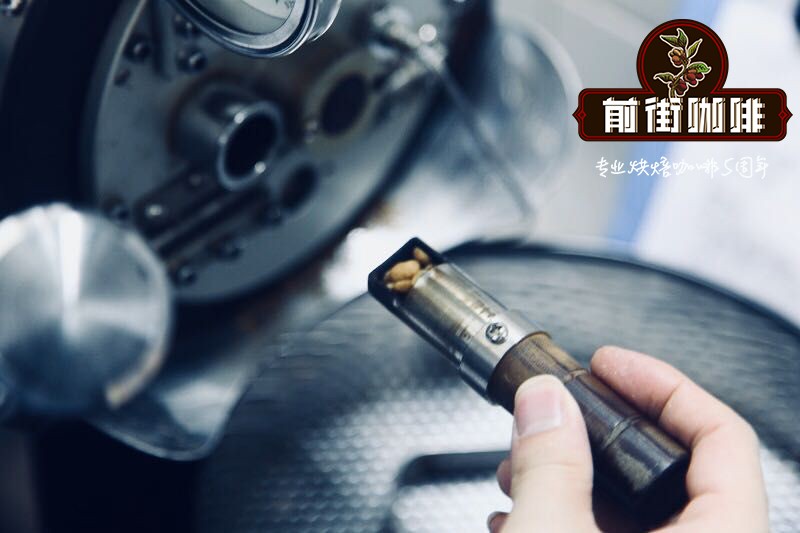
When choosing beans, also look at the roast direction. A lighter-roasted Blue Mountain more easily expresses floral notes, citrus and fresh sweetness, and needs fuller heat when pour-over brewing; a medium roast shifts toward nuts, caramel and soft cocoa, making it easier to build a complete mouthfeel with espresso and milk drinks. Whichever you choose, it is advisable to check the roast date and storage method, and after opening, seal it in portions to reduce the effect of air and moisture on the aroma.
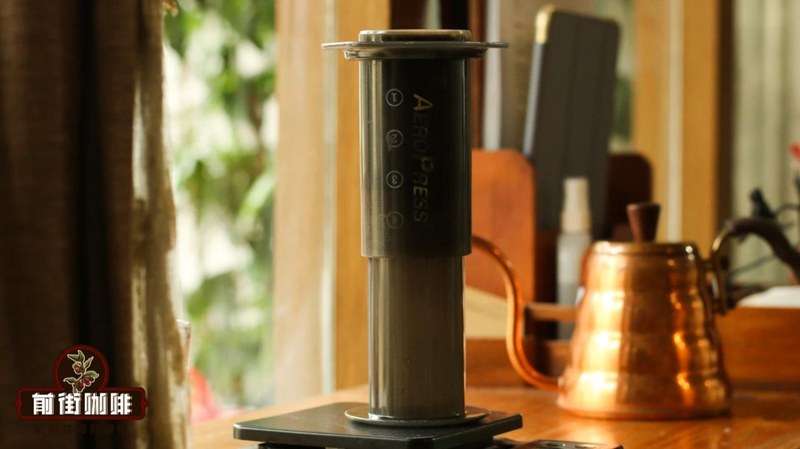
For pour-over you can start with 15 g of grounds to 240 g of water, which is close to a 1 to 16 coffee-to-water ratio. For water temperature, suggest 91 to 93 degrees Celsius for light to medium roasts, and start from 89 to 91 degrees Celsius for medium roasts. Grind slightly finer than or similar to regular light-roasted beans, using a total time of 2 minutes 30 seconds to 3 minutes as a reference, first blooming with 30 to 40 g of water for about 35 seconds, then pouring in two to three stages.
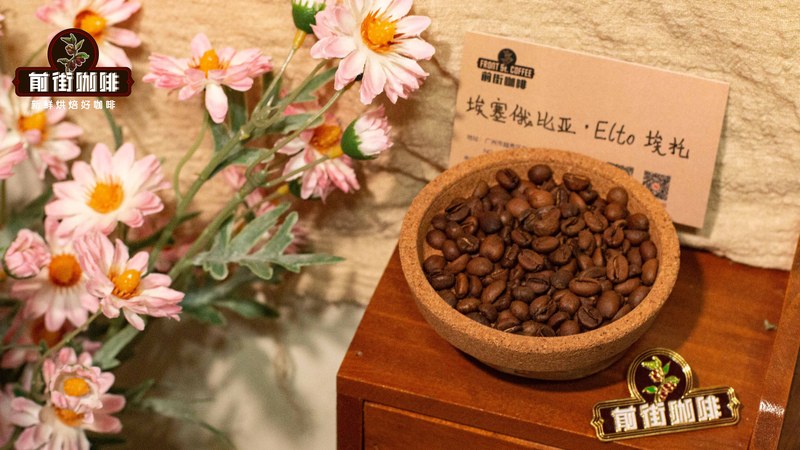
Blue Mountain's advantage lies in its naturally connected flavors, so there is no need to pursue strong agitation when pouring. If what comes out is only sharp acidity, it is usually insufficient heat or extraction, and you can raise the water temperature by 1 to 2 degrees, or grind slightly finer. If the finish tastes dry and woody, first reduce circling and stirring, then grind a little coarser. If sweetness, acidity and bitterness are all held in check on entry, the parameters are closer to the bean's balance point.
To understand how different beans respond to parameters, you can use Qianjie Yirgacheffe Gudingding as a comparison. Its aroma leans more toward citrus, berries and flowers; for light-roast pour-over you can use 91 to 93 degrees and a ratio of about 1 to 16, with a slightly faster pouring rhythm that preserves a clear brightness. Compared with it, Blue Mountain does not need a deliberate pursuit of high aroma explosion; slowing the flow rate appropriately often better presents soft sweetness and a rounded finish.
When using an espresso machine, Blue Mountain is suited to starting from gentler extraction settings. Taking 18 g of grounds as an example, you can first set the yield at 36 to 40 g, target a time of about 28 to 32 seconds, a water temperature of about 90 to 92 degrees Celsius, and keep pressure near 9 bar. The grind should be finer than for pour-over, but do not go extremely fine right away; if the puck resistance is too great, it easily lets the delicate sweetness be covered by bitterness and astringency.
If the espresso tastes sour on entry and its texture is thin, you can adjust the grind one step finer, or shorten the yield from 40 g to 36 g to concentrate the cup more. If bitterness is obvious and the throat feels dry, give priority to grinding a little coarser, or increase the liquid weight by 2 to 4 g, shortening the over-extraction caused by contact between grounds and liquid. Pressure is not better the higher it is; stable water output matters more than blindly chasing a pressure number.
When making an Americano, Blue Mountain espresso can be combined with 80 to 120 g of hot water; with less water, the aroma and sweetness are more concentrated. For a latte, you can extract 36 g of liquid from 18 g of grounds, paired with 120 to 150 g of milk. Keeping the milk temperature at 55 to 65 degrees Celsius preserves the coffee's sweet, moist feel. If the milk flavor covers the coffee, reduce the milk amount or shorten the yield; if the coffee seems sharp and thin, you can slightly increase the concentration of the espresso.
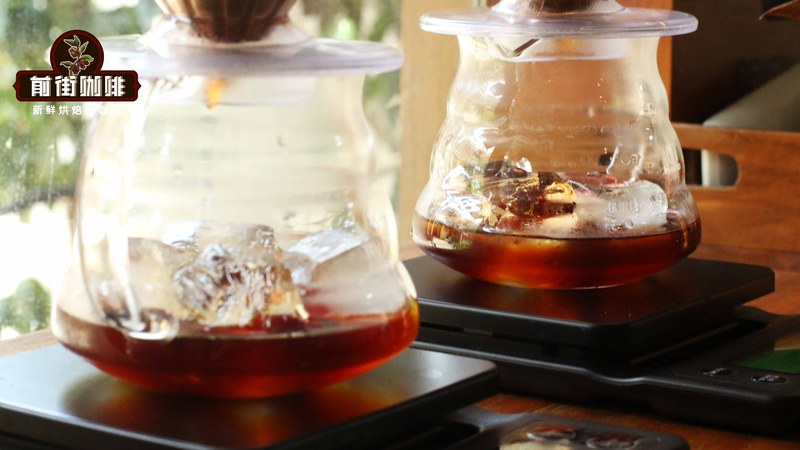
For those who like iced drinks, you can tighten the pour-over ratio to 15 g of grounds with 210 to 220 g of water, with part of it falling directly onto ice so that the concentration remains clear after the ice melts. Qianjie Colombia Sidra is better as a reference for fruity iced coffee, showing lively notes like passion fruit, grape and apricot; for Blue Mountain as an iced pour-over, it is advisable to reduce agitation and maintain higher sweetness, highlighting a refreshing yet still smooth mouthfeel.
When selecting Blue Mountain, you do not have to look only at whether the price is high or low, but should put the origin label, roast direction, packaging format and your own equipment on the same judgment table. Pour-over users can choose small-format light to medium roast beans and slowly find balance through water temperature and grind size; espresso users should pay attention to the bean's roast uniformity and espresso performance. Once the parameters are adjusted correctly, authentic Blue Mountain does not necessarily need luxurious equipment to deliver a clean, soft and distinctive flavor.
Related Reading


Comments (0)
Loading comments...
You May Be Interested


Trending Reviews
Popular Videos

With you, wherever you are! We provide useful features to help you find new things you'll love






