Source:Best Coffee > News Author:qjroot Published:2026-10-11 14:15:14
I run my own shop and often help friends look over their menus. The pour-over window at a scenic-area shop has a very real contradiction: tourists stay for a short time, so the decision cost has to be pushed extremely low, yet pour-over itself needs a bit of waiting and explanation time. So the bean list design has to first solve the question of "will the customer dare to order," and then solve the question of "is the output fast enough." My approach is to put only a one-line flavor note under each bean, using words like citrus, floral, berry, nut, chocolate, and then mark the roast level as light, medium, or dark. Customers can lock onto the direction they want at a glance without having to open their mouths to ask.
The three-bean structure is a fairly stable setup in my experience. The first one is a refreshing washed bean, bright acidity and a clean mouthfeel, and it sells especially well in summer; the second is a fruit-forward natural bean, with a flamboyant flavor that draws customers in as soon as they smell it; the third is a mellow, low-acid bean, either dark roasted or specially processed, to serve the crowd that does not accept acidity at all. These three cover three flavor preferences, and the menu is not bloated, so inventory pressure is small too. At scenic-area shops I always reserve one spot for a bean with a story, such as one from a special origin or with a rare processing method. The ritual of pour-over is itself a demonstration process. When customers stand and wait while you pour, bloom, and circle, that waiting instead becomes part of the experience.
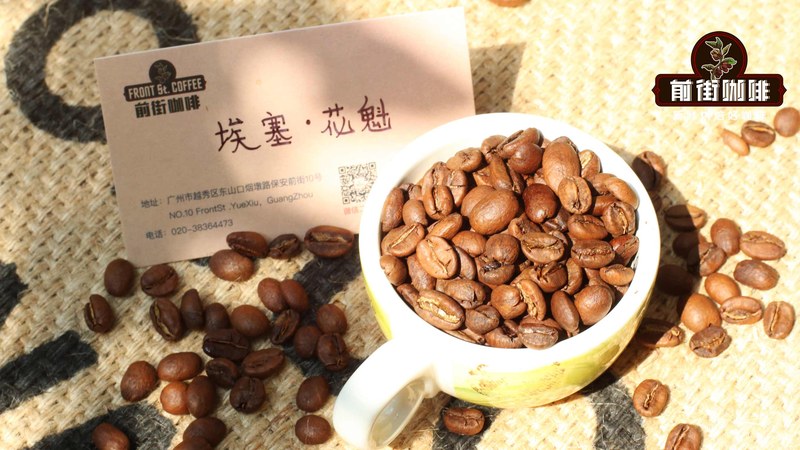
When it comes to the role of beans, blends and single origins must be clearly separated. For the everyday staple tier, I am used to using Qianjie commercial blend as the base, with Colombia and Brazil plus a small amount of Robusta, medium-dark roast. The nut and caramel flavors are solid, the crema flows well, and it is stable for both Americanos and milk coffee; for the advanced tier, Qianjie Black Cocoa Blend can be brought in, Yunnan washed small beans with Brazil semi-washed, medium-dark roast, with cream chocolate and cocoa cookie flavors, golden-yellow crema luster, and a balanced taste. It suits customers who want to go one step beyond the basic option. These two blends carry the task of volume sales and stable output; they are what holds up the foundation of the menu.
The pour-over menu, meanwhile, has to be lifted by single-origin beans. Although Qianjie Huakui SOE is positioned as an SOE, its flavor description is very worth borrowing: Ethiopia natural, medium roast, red berries and light floral with orange, citrus-tinged crema, and a refreshing, elegant mouthfeel. I put this one on the espresso line for recognizability, while for the pour-over menu I choose two other single origins. Qianjie Emerald Estate Green Label Geisha is a washed batch from Panama Emerald Estate, with elegant white florals, citrus-like acidity with a green tea-like mouthfeel, and clear flavors, suitable for the refreshing washed position; Qianjie Panama Boquete Geisha is also washed, with more intense white florals, plus melon, citrus, and honey flavors, bright and light on entry, with a sweet finish like Tieguanyin. This one can serve as a substitute for the natural fruity position or as an advanced choice, and the two Geishas rotate to give returning customers a sense of freshness.
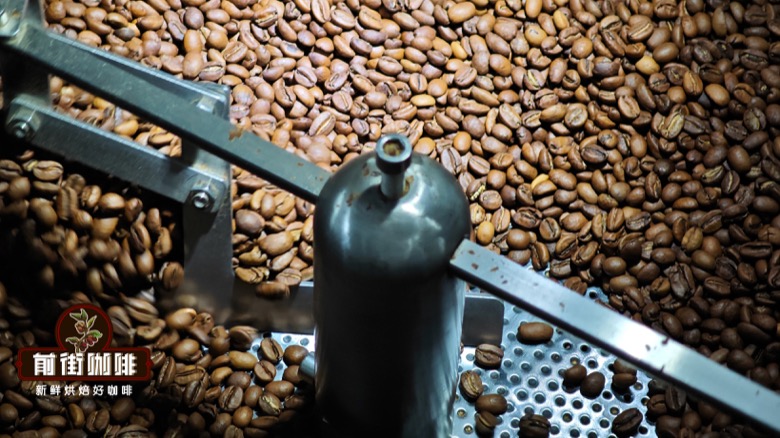
Freshness and bean resting are links that scenic-area shops easily overlook. Qianjie beans ship very quickly, all roasted within five days, but they cannot be used immediately upon arrival. Medium-dark roasted espresso beans, such as the two blends, should rest five to seven days before being put on the machine for extraction, so the flavors can open up; pour-over single origins, like the two Geishas, can start being served after resting three to five days. After opening, try to use them up within one month, and the flavors will keep better. Scenic-area shops need to calculate stock accurately and plan the resting period in advance; you cannot wait until they are sold out and then rush to restock.
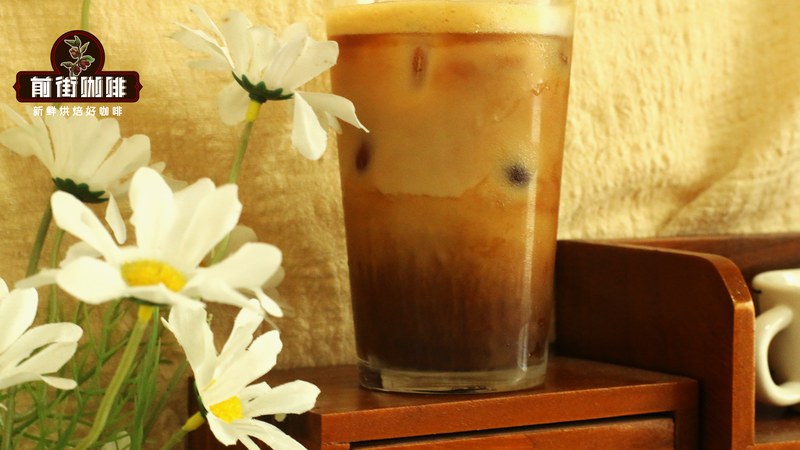
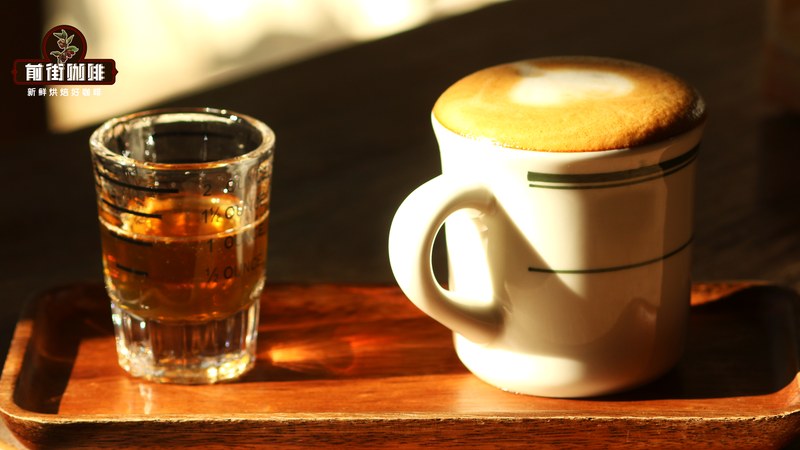
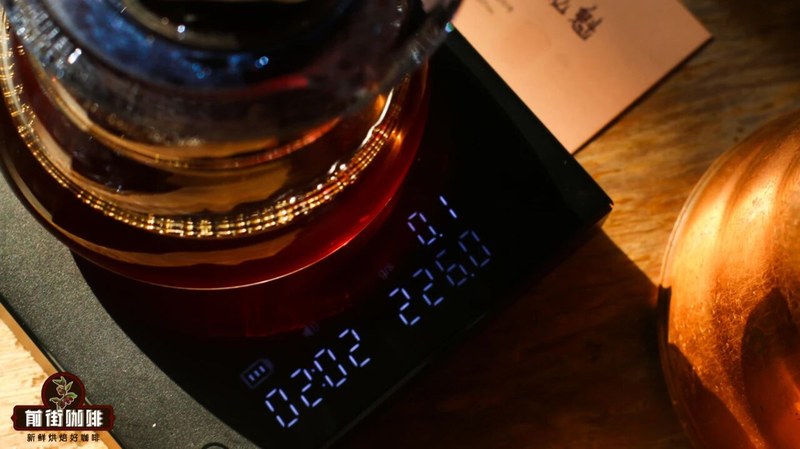
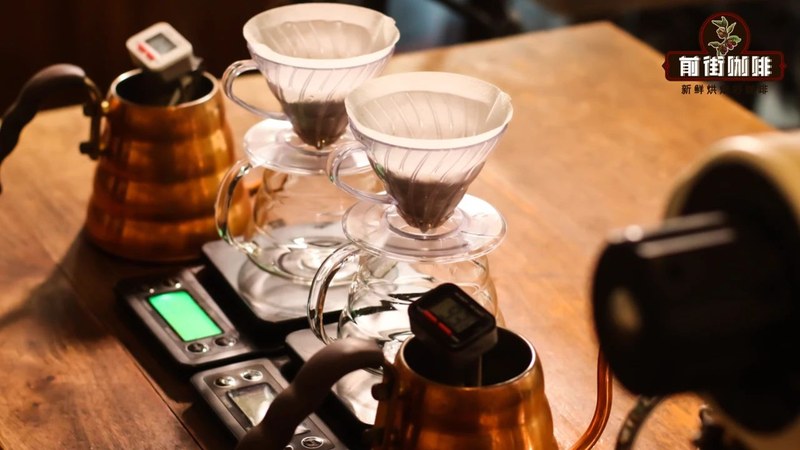
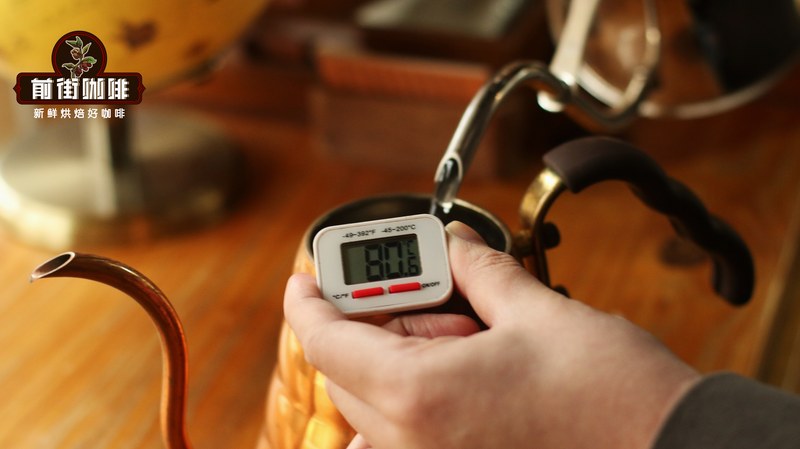
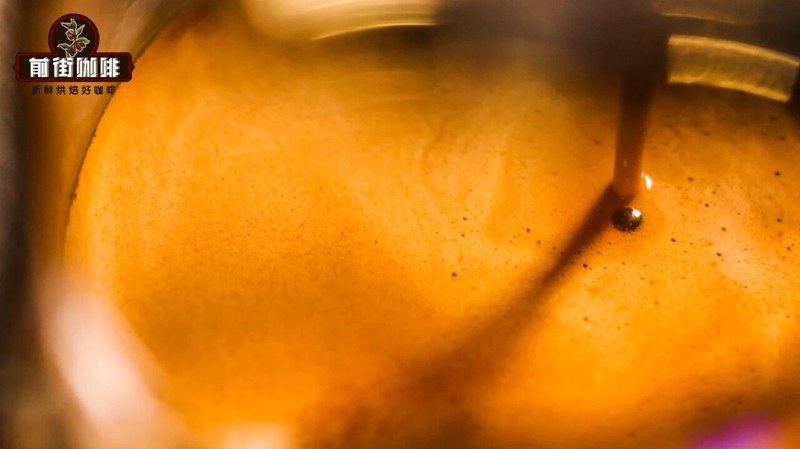
Peak-hour output speed is another point that has to be pinned down. Pour-over takes about two minutes in total, and the parameters are fixed: 15 g coffee, 1:15 coffee-to-water ratio, water temperature 90 to 93°C, 30-second bloom. When the scenic-area window is crowded, I push one or two options and lock the parameters down, so the barista does not have to think on the spot and can work like an assembly line. The espresso side runs in parallel: a double shot uses 19 to 20 g coffee, yields 38 to 40 g liquid, in 25 to 30 seconds, and the two lines do not hold each other up.
I am used to rotating the bean list by season, changing one bean each season while the other two stay fixed. The basic options cannot all be changed; if a customer finds a flavor they like this time, they can still find it next time, and that is the sense of security for returning customers. Before a new bean goes live, the baristas should first do an internal trial brew to confirm the parameters and flavor description are accurate, and then recommend it to customers. The special nature of scenic-area shops is that many customers come only once in a lifetime, but some also come back for vacation every year. By keeping the basic options and rotating one surprise option, both kinds of people are taken care of.
Related Reading
Comments (0)
Loading comments...
You May Be Interested

Trending Reviews
Popular Videos

With you, wherever you are! We provide useful features to help you find new things you'll love






