Source:Best Coffee > News Author:qjroot Published:2024-11-24 18:40:38
Ethiopia has quite a few well-known coffee regions, such as Sidamo, Yirgacheffe, Guji and Kaffa. These are all Ethiopian coffee regions commonly seen on the market today. Among them, what are the characteristics of Sidamo? Why do some people call it Sidama?
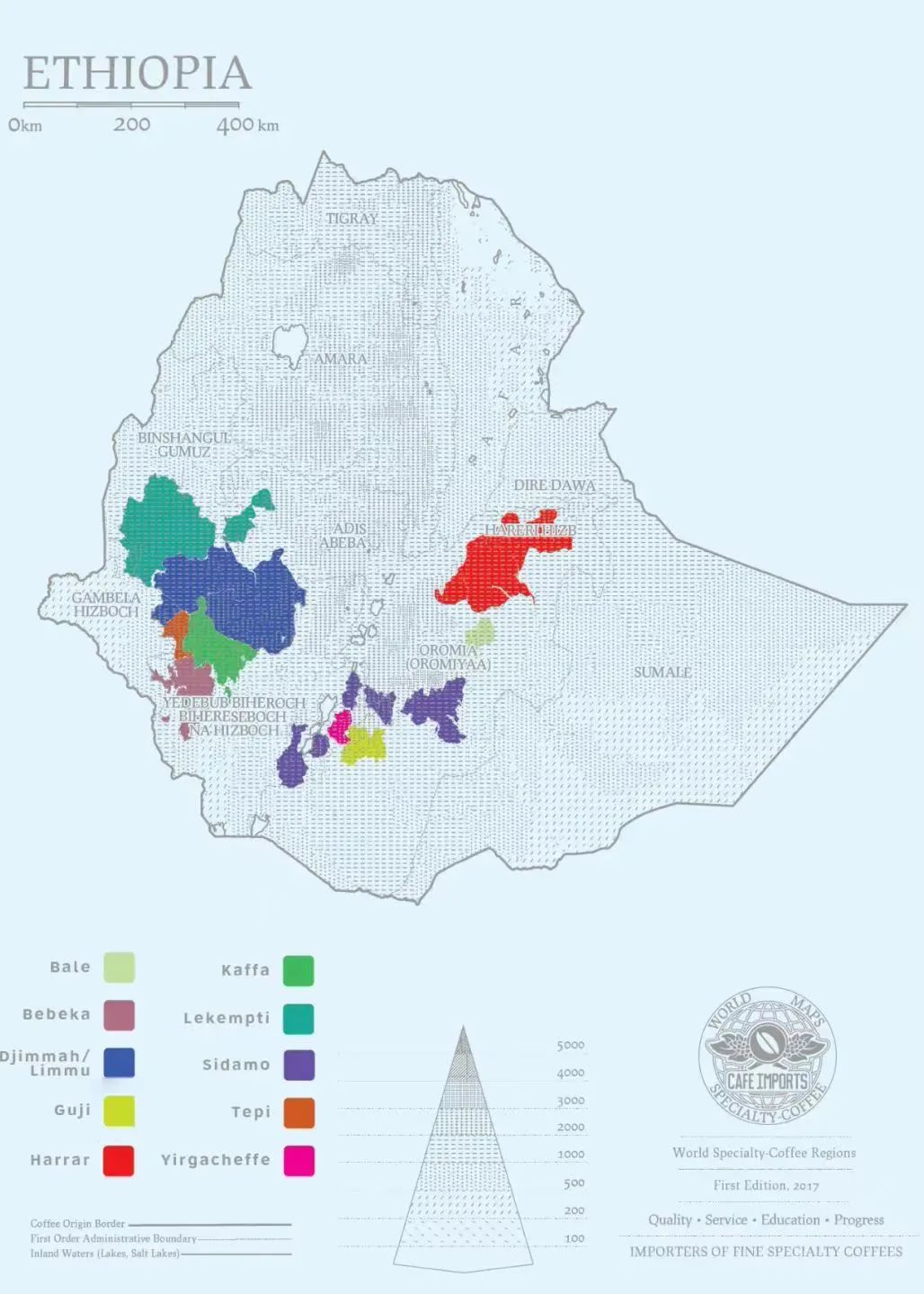
Originally, the name of this region was Sidama, located in southern Ethiopia. At the end of the 19th century, the Ethiopian imperial court invaded and annexed the region, and at that time called the place Sidamo. As a result, for a period afterward, the coffee produced in the region was called Sidamo Coffee, and thanks to its unique aroma and flavor, it gradually became well known. It was not until later, when the government redrew the boundaries of various ethnic groups and regions, that the area was incorporated into the Southern Nations, Nationalities, and Peoples' Region and the name was corrected to Sidama.
However, compared with Sidama, people are more used to saying Sidamo. Moreover, when the Ethiopian government sought to protect the coffee of the region, it chose the name Sidamo® as the registered trademark for Sidama coffee. So even now, people are still used to calling this place "Sidamo".
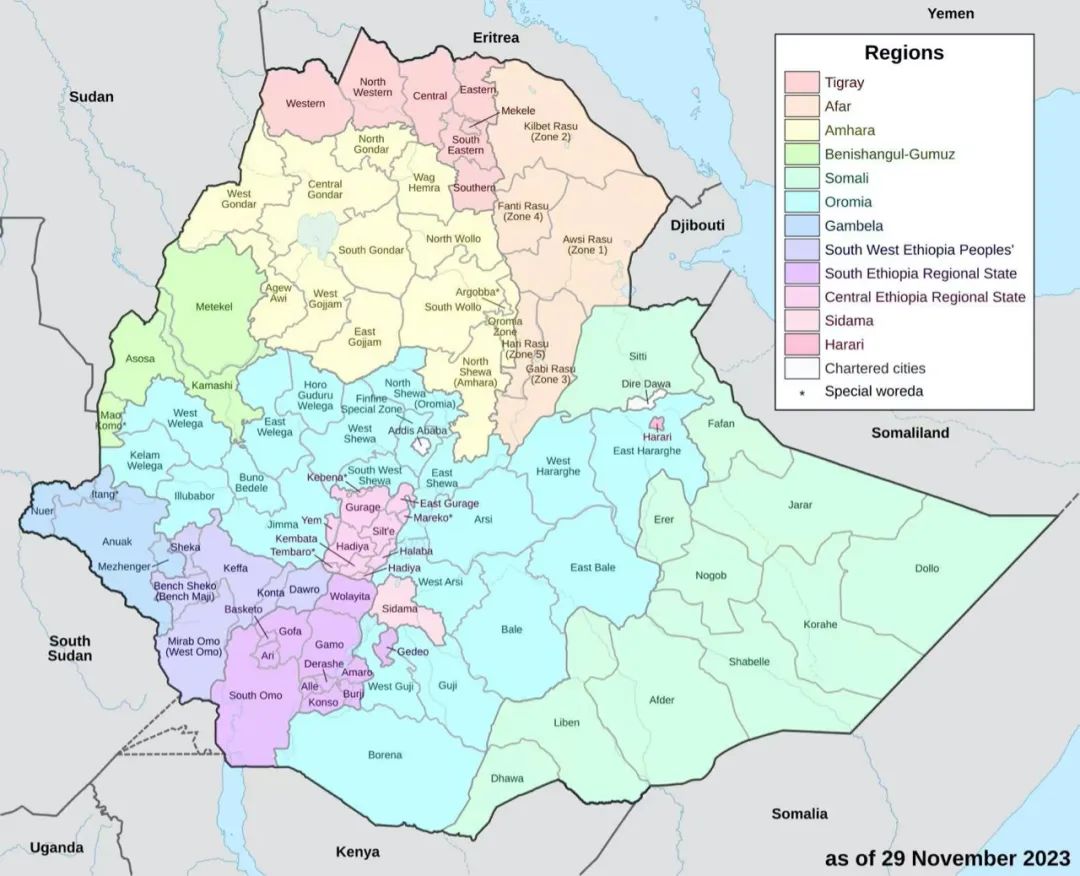
Before 2020, Sidamo was still only a zone within the Southern Nations, Nationalities, and Peoples' Region. Later, through an independence referendum, the local people made it the Sidama Region.
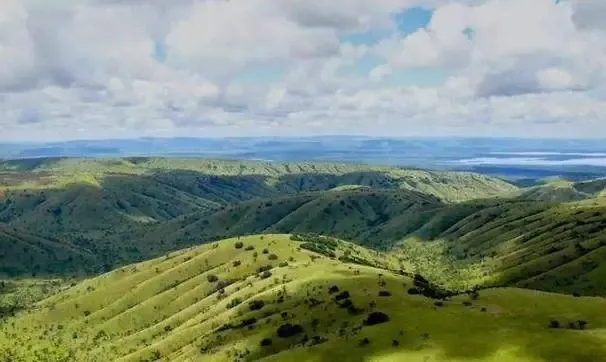
The Sidama region is located on the highlands south of Lake Awasa in the East African Rift Valley. It has diverse microclimates, ample rainfall with an annual rainfall of 2000 mm, and fertile, well-drained volcanic soil. Coffee is grown at altitudes between 1400-2200 m, providing an ideal environment for coffee cultivation.
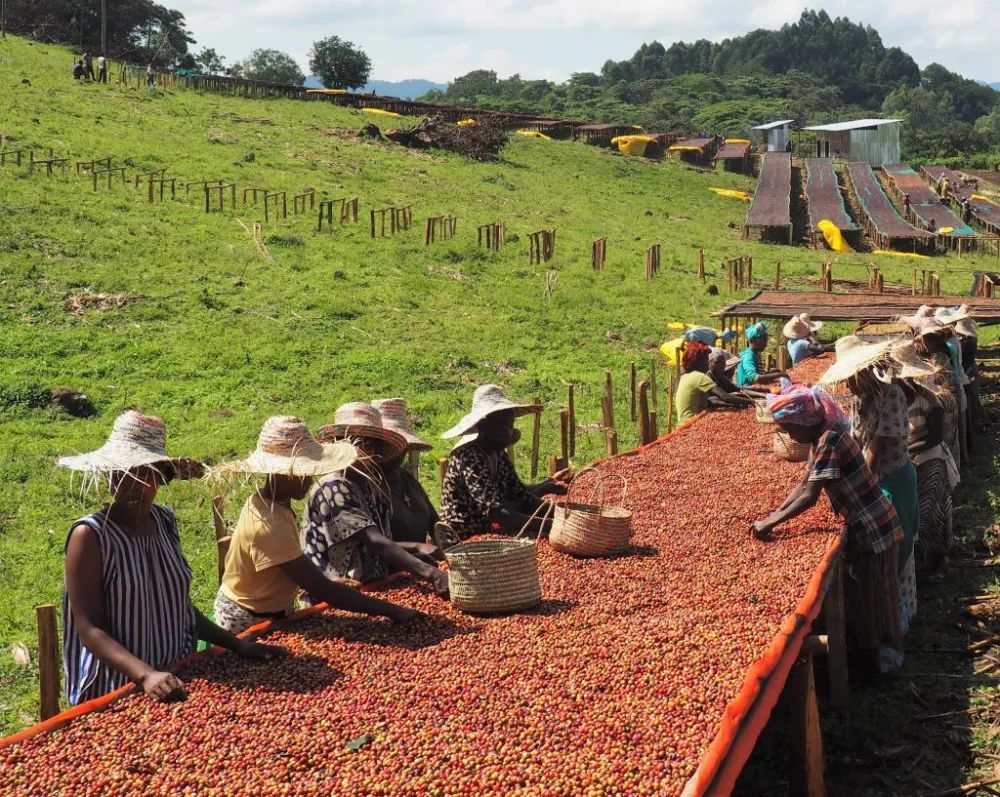
Currently, in the Sidamo region, there are also many well-known sub-regions, such as Bensa, Arbegona and others. Recently, the Bensa area has gradually come into people's view. Bensa is located in the northeast of the Sidamo region. The altitude here is quite high, ranging from 1800 m to 2300 m, and in some areas coffee is grown at altitudes as high as 2400 m.
Qianjie has often mentioned in previous articles that the higher the altitude, the greater the temperature difference between day and night. During periods of low temperature, the ripening time of coffee cherries is extended. During this period, more sugars can accumulate, the coffee beans are denser, and the flavor develops more richly.

Currently, the most well-known in the Bensa area is Alo Coffee. Alo Coffee PLC is an Ethiopian coffee trading company and also a green bean brand. It is a relatively new company locally, having been established for only 4 years. It was founded by Tamiru Tadesse Tesema and is mainly responsible for exporting coffee from the Bensa area.
Tamiru was born in Alo village in the Bensa area and studied engineering, but he always wanted to work in the coffee industry. Later, he saw that a friend also from the Bensa area had won a COE award for the coffee he grew, which sparked Tamiru's interest. He believed that the Bensa area had great potential, so he began to establish a company, determined to promote coffee from the Bensa area.
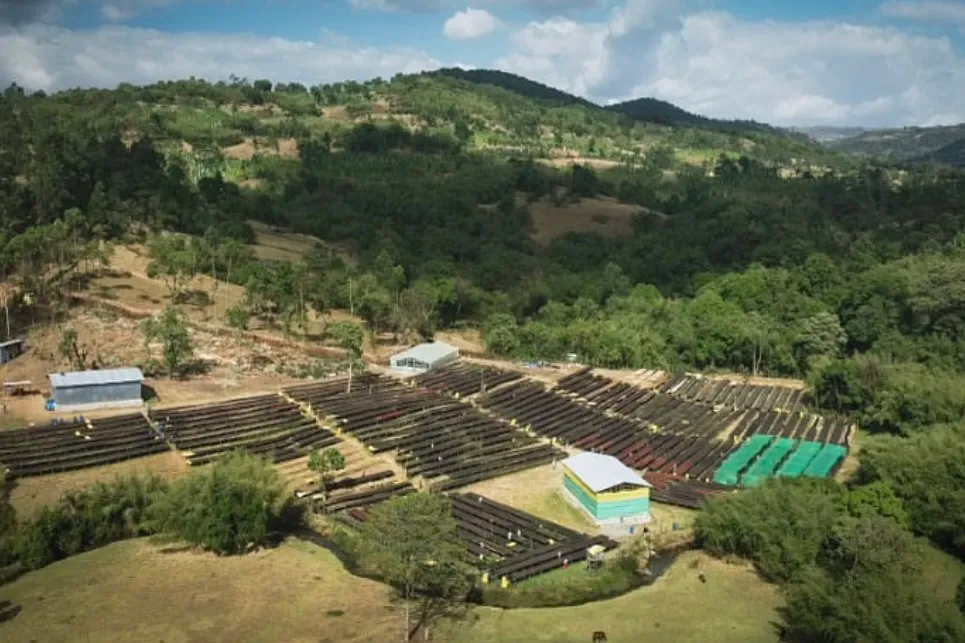
It began by establishing a processing station in Alo village, used to collect and process coffee beans grown by about 200 coffee farmers near Alo village, and to provide them with professional cultivation knowledge training, and it also takes in coffee beans produced by nearby villages. To this day, ALO has 8 processing plants in the region, all around the coffee farmers' areas, where processing can begin more quickly after the coffee cherries are harvested, ensuring the freshness and quality of the coffee cherries. The coffee varieties produced by ALO are mainly the 74 series varieties from JARC (Jimma Agricultural Research Center), including 74158, 74165, 7412 and 74110, etc.
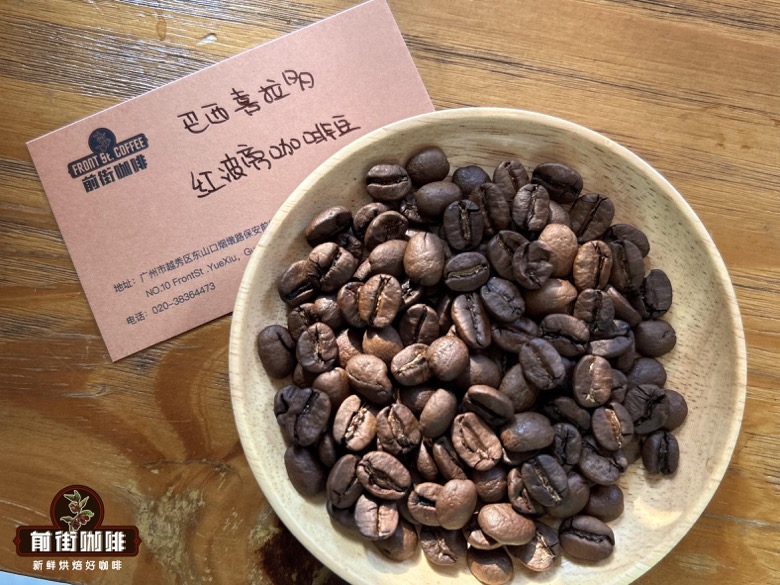
Qianjie also got its hands on ALO coffee, selecting the Hatessa processing plant under Alo Coffee, using the 74158 variety and natural processing; brewed, it has a faint magnolia aroma, a slight fermented character, and on the palate tropical fruit flavors such as citrus, passion fruit and pineapple, with a refreshing mouthfeel.

To learn more coffee origin news and information, please scan the QR code to follow: Kaping
Long-press the QR code to follow:

Related Reading







Comments (0)
Loading comments...
You May Be Interested


Trending Reviews
Popular Videos

With you, wherever you are! We provide useful features to help you find new things you'll love






