Source:Best Coffee > News Author:qjroot Published:2026-09-07 09:57:27
A bright, fruity single-origin bean does not have to rely on high water temperature alone to release its aroma. Strawberry, citrus, tomato or tea-like notes each have a different extraction rhythm: some need a faster flow to stay crisp, while others need longer contact time to carry sweetness. Treat the flavor description on the package as the target in the cup, then decide water temperature, coffee-to-water ratio, grind and pressure; bean selection and brewing can then form a complete approach.
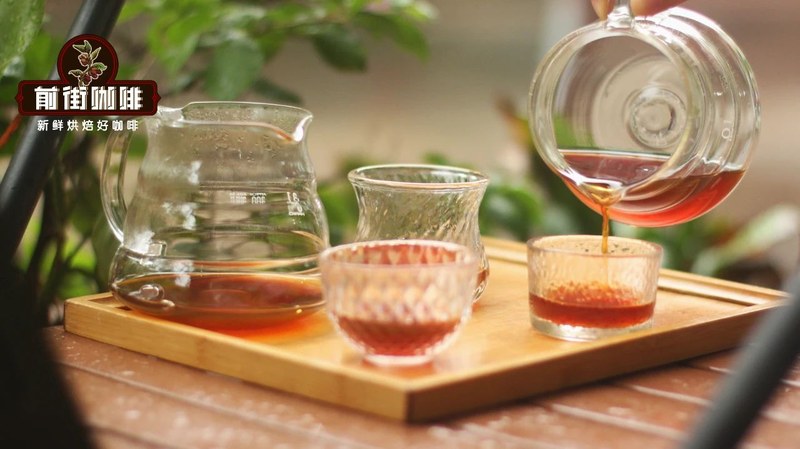
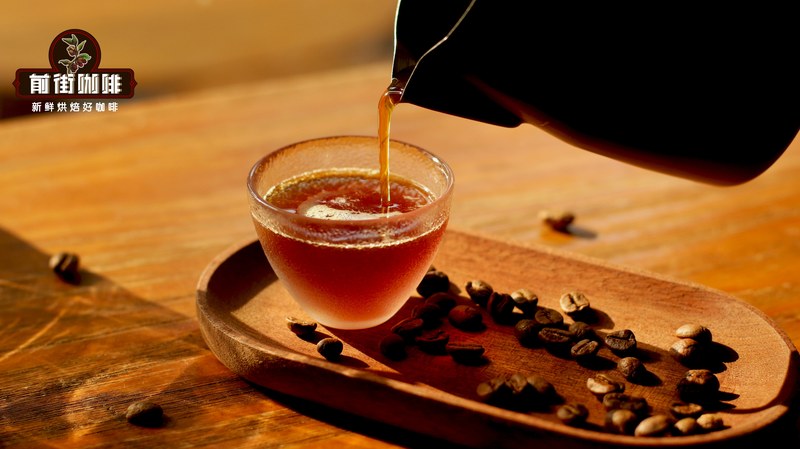
For pour-over, you can use 15 g of coffee grounds with 240 g of water as a trial baseline, with water at 90 to 93°C and total time controlled at 2 minutes 20 seconds to 3 minutes. If you want the floral notes to feel lighter, grind slightly coarser and speed up the staged pouring; if you want fuller fruit sweetness, tighten the grind slightly so the water level stays steady during the middle stage. Recording the changes while hot and after cooling is more useful than only watching the timer.

Qianjie Ethiopia Huakui is well suited to expressing sweet aromas like ripe strawberry, passion fruit and tropical fruit. For pour-over, use 15 g of grounds and 240 g of water at 92°C, with a grind close to fine sand. Bloom with 40 g of water for about 30 seconds, then pour slowly in two stages, reducing large agitation, with total time falling between 2 minutes 20 seconds and 2 minutes 45 seconds; the cup will have vivid fruit aromas and soft sweetness.
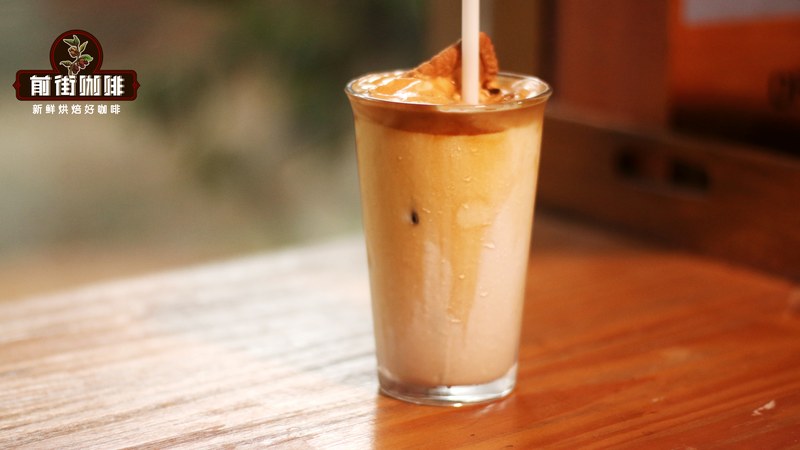
Huakui is also suitable for iced pour-over. You can reduce the hot water to 160 g, place 80 g of ice cubes in the server, grind slightly finer than for hot brewing, and raise the water temperature to 93°C. The strength still holds up after the ice melts, and the berry notes will be brighter than with room-temperature steeping. If the finished cup seems thin, reduce the ice by 10 g rather than continually extending the brew time, so the finish does not become muddled.
When a light-roast single origin goes into an espresso machine, higher pump pressure is not always better. You can use 18 g of grounds to extract about 42 g of coffee liquid, with time set at 28 to 35 seconds and water temperature around 93°C. If the machine can adjust pressure, first pre-infuse briefly at 2 to 3 bar, then rise to about 8 bar to complete the main extraction; this helps wet the puck evenly and lets fruit acidity and sweetness connect more naturally.
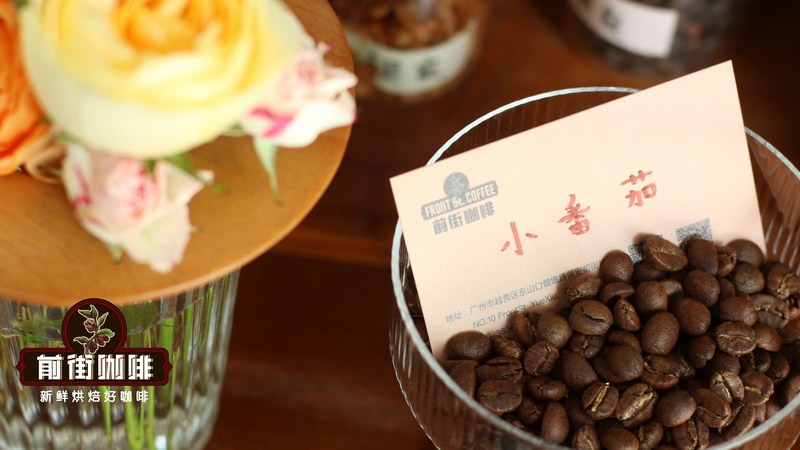
Qianjie Kenya Small Tomato has a combination of fresh tomato flesh, smoked plum juice and yellow sugar syrup-like notes, with striking acidity and enough sweetness to support it. For pour-over, use 15 g of grounds with 250 g of water at 91 to 92°C, medium grind, pouring in three stages. Keep the stream thin and try to avoid touching the edge of the dripper; at about 2 minutes 40 seconds total, you can get a juice-like texture and a clean finish.
To make this Kenyan bean as an SOE, start with 18 g of grounds, 45 g of liquid yield and 30 to 34 seconds, set water temperature at 93.5°C, and keep the main pressure at 7 to 8 bar. If the tomato-like acidity is too concentrated, increase the yield slightly and extend pre-infusion so the yellow sugar sweetness can catch up; if the smoked plum note seems heavy, lower the water temperature by half a degree to restore clarity in the finish. Adding a small amount of hot water also makes a very suitable fruit-forward americano.
Qianjie Kafa Forest leans softer, and you can often taste orange flesh, ripe apricot and a sweetness reminiscent of oolong tea. For pour-over, use 15 g of grounds with 245 g of water at 90 to 91°C, with a slightly coarser grind than Huakui. After blooming, pour at a low water level down the center, keeping total time at 2 minutes 15 seconds to 2 minutes 40 seconds; while hot it shows citrus aroma, and as it cools the sweet, smooth sensation gradually opens up.
When Kafa Forest is used for espresso extraction, the parameters can be set more gently, for example 18 g of grounds extracting 40 g of liquid at 91 to 92°C, about 26 to 30 seconds, with pressure maintained near 8 bar. A lower temperature helps preserve the tea-like note, while a moderate liquid yield can carry the apricot sweetness. It is suitable for drinking as espresso directly, and can also be diluted with about 100 g of hot water so the sweetness lingers longer.
Whether parameters can be reproduced also depends on the water and grind quality. Tap water with an obvious chlorine taste easily masks floral and fruit aromas, while too-high mineral content may make the mouthfeel seem heavy; filtered water with a clean smell and moderate mineral content is more suitable. If there are many fines after grinding, the dripper flow rate will suddenly slow; at that point, first clean the burrs and recalibrate the grind setting, then judge the bean's extraction performance.
If you want a full, lively berry aroma, start with Huakui; if you prefer bright acidity and a juicy tactile feel, Kenya Small Tomato more easily shows character; if you like gentle citrus and tea-like resonance, Kafa Forest will be more composed. The beans give the flavor direction, while water temperature, flow rate, liquid yield and pressure are responsible for bringing that direction into the cup; find the coordination between the two, and both pour-over and espresso can present their own clear layers.
Related Reading

Comments (0)
Loading comments...
You May Be Interested


Trending Reviews
Popular Videos

With you, wherever you are! We provide useful features to help you find new things you'll love






