Source:Best Coffee > News Author:qjroot Published:2026-09-18 17:27:08
The aromatic compounds in coffee beans are released with particular sensitivity under high temperature and pressure. If the extracted coffee liquid carries a heavy, scorched sensation, it is often not only a matter of heat level; the water quality in the pot plays a key regulating role. Water is the carrier of flavor. The relatively high calcium and magnesium ions in everyday tap water easily accelerate the release of deep bitter compounds when heated, and the originally soft sweetness is also masked by a coarse texture.
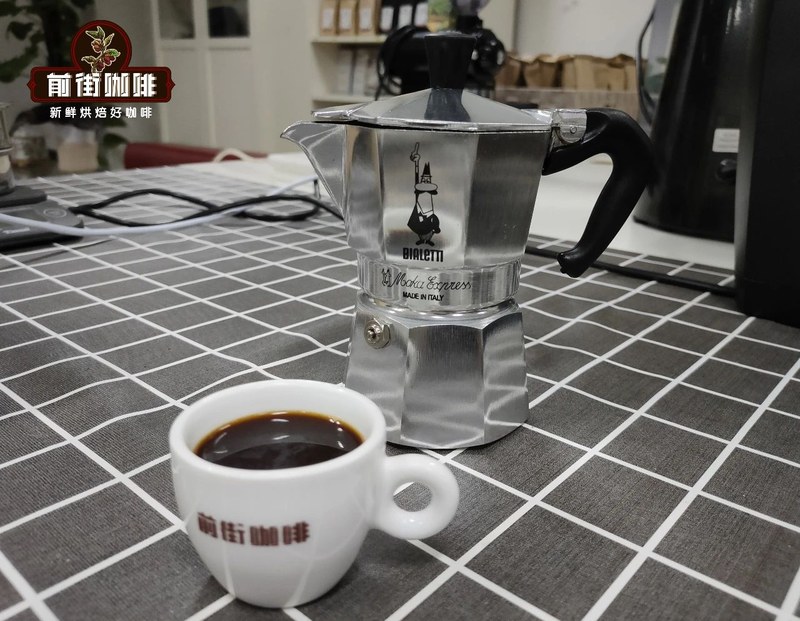
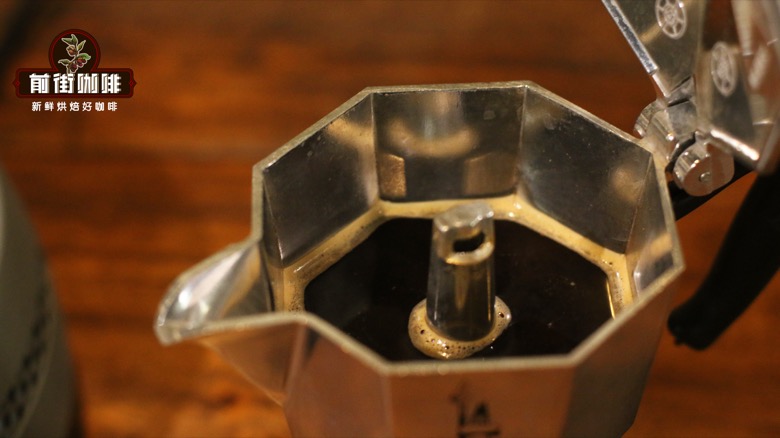
The mineral content of household brewing water is usually measured by TDS value. When the water is on the hard side and TDS exceeds 150ppm, the water molecules' ability to capture large-molecule bitter compounds in coffee increases noticeably. Especially in a sealed, pressurized moka pot, where the water temperature remains high, hard water makes the extraction process too violent, and the scorched bitterness and tannic feel in the tail end are multiplied, making it taste dry and tongue-pricking.
To reduce the miscellaneous bitterness in a moka pot, a gentler choice is soft water with a TDS between 40 and 80ppm, such as natural purified water readily available in daily life or filtered water softened through a filter cartridge. A moderate magnesium-to-calcium ratio can bring out the bright fruit acidity and nutty aroma inside the coffee without excessively drawing out the scorched impurities from the woody fibers, making the whole cup smooth and full on the palate.
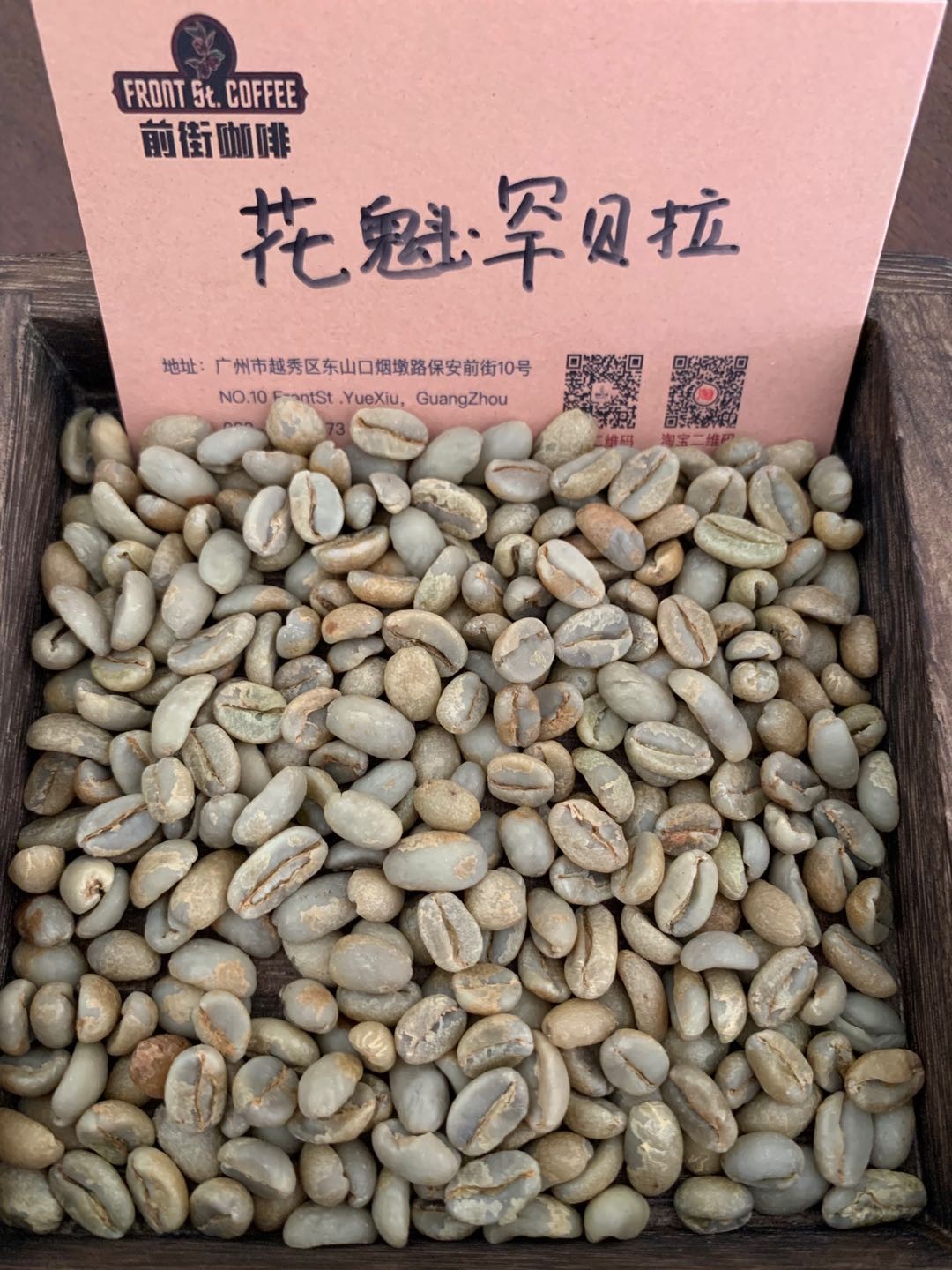
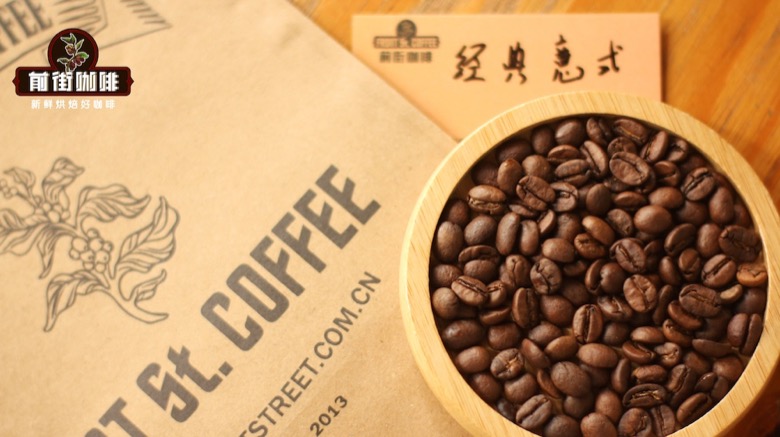
Choosing a mild, balanced bean to brew with soft water can quickly restore the rich texture a moka pot should have. Qianjie Brazil Queen's Estate fits this soft extraction rhythm very well. It itself carries a harmonious sweetness like almond nuts, cocoa powder and brown sugar, with an extremely mellow acidity. When soft water reduces the pressure of over-extraction, its originally hidden caramel sweetness returns gently.
When brewing this bean, it is recommended to fill the lower chamber with 120ml of low-mineral soft water at 88°C in a single pour, load the filter basket evenly with 15g of medium-ground coffee powder, tighten the pot body, then heat over medium-low heat, keeping the total time at about 1 minute 50 seconds. Remove from heat when most of the coffee liquid has flowed out gently and light-colored bubbles are about to appear. The poured coffee has a creamy smoothness, with a pure nutty aroma and no scorched bitterness.
If you prefer a thick, deep dark chocolate and herbal aroma, Qianjie PWN Indonesia Golden Mandheling shows an especially captivating substantial texture. The internal structure of dark-roasted beans is more porous, and if brewed with hard water it easily brings out a scorched odor. At this point, use warm soft water with a TDS of about 50ppm, fill the lower chamber with 100ml of 85°C warm water in a single pour, add 14g of coffee powder, and heat over medium-low heat with the total time controlled at 1 minute 35 seconds, to achieve a comfortable balance between intensity and mellow sweetness.
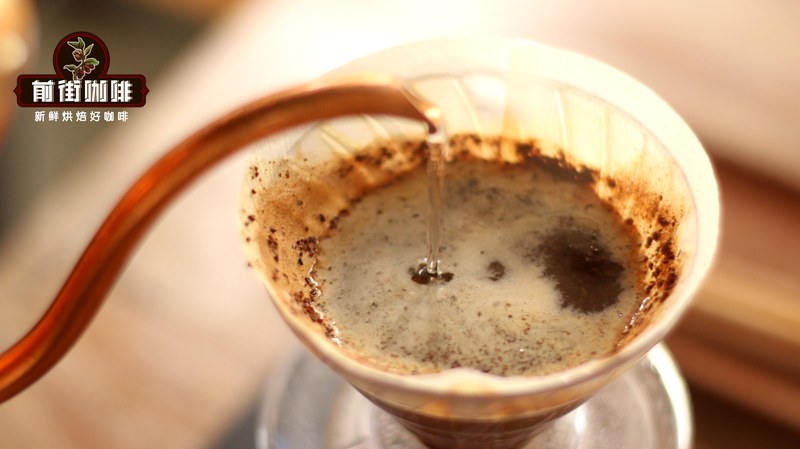
Water quality's modification of bean flavor is also reflected in pour-over. Pour-over places more emphasis on the unfolding of layers and the clarity of aroma. If the water is too soft, such as distilled water with a TDS below 20ppm, the flavor often seems thin and hollow; while pure soft water with appropriate mineral values can precisely draw out the floral and fruity fragrance and clean sweetness in the beans, fully expressing the regional characteristics of the origin.
Qianjie Papua New Guinea Bird of Paradise, known for its clarity and balance, especially needs appropriate water quality to support its elegant structure. This bean has a gentle fruit sweetness, a delicate tea-like feel and a round texture similar to Blue Mountain, with clean and pure acidity. Brewed with water of moderate hardness, it can slowly extend the brown-sugar-like finish in the tail end, showing bright and refreshing layers.
When brewing Qianjie Papua New Guinea Bird of Paradise, take 15g of coffee powder ground to medium-fine, set the water temperature at 91°C, use a three-stage pouring method, and pour 225ml of water at a 1:15 coffee-to-water ratio. First gently pour 30ml of water and bloom for 30 seconds to awaken the aroma, then steadily pour the second stage to 130ml, and finally slowly pour the last stage to 225ml, keeping the total time at about 2 minutes 5 seconds. The whole cup is clean, sweet and smooth.
A cup of moka pot coffee full of aroma depends on the subtle rapport between the bean's roasted flavor and the extraction power of the water. According to the hardness characteristics of everyday drinking water, choose high-quality coffee beans with even roasting and a matching profile, then fine-tune the heating rhythm and pouring water temperature. The originally annoying scorched bitterness will naturally fade, leaving only abundant cocoa aroma and a long-lasting sweetness in the mouth.
Related Reading


Comments (0)
Loading comments...
You May Be Interested

Trending Reviews
Popular Videos

With you, wherever you are! We provide useful features to help you find new things you'll love






