Source:Best Coffee > News Author:Best Coffee Published:2026-01-06 17:57:08
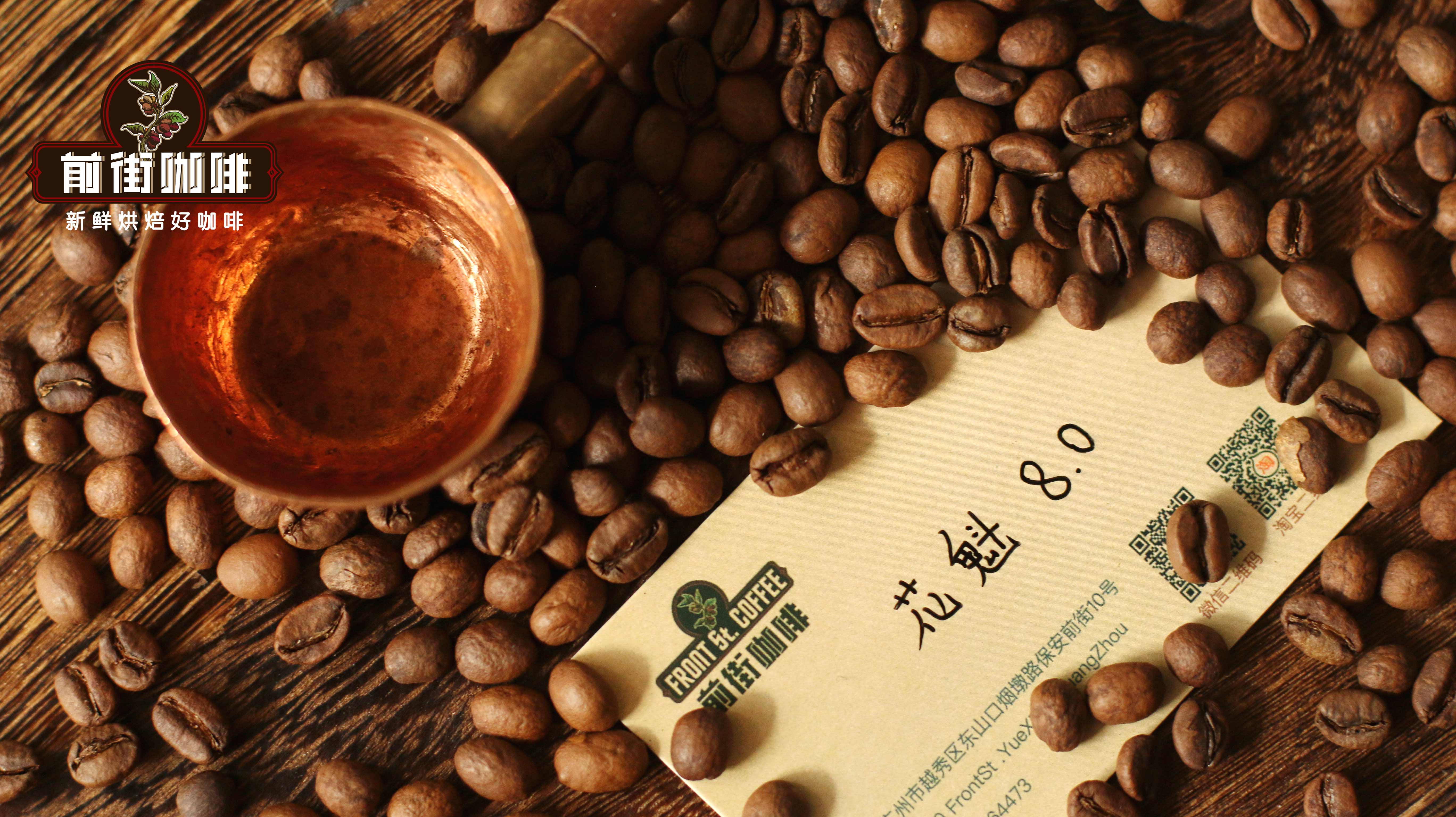
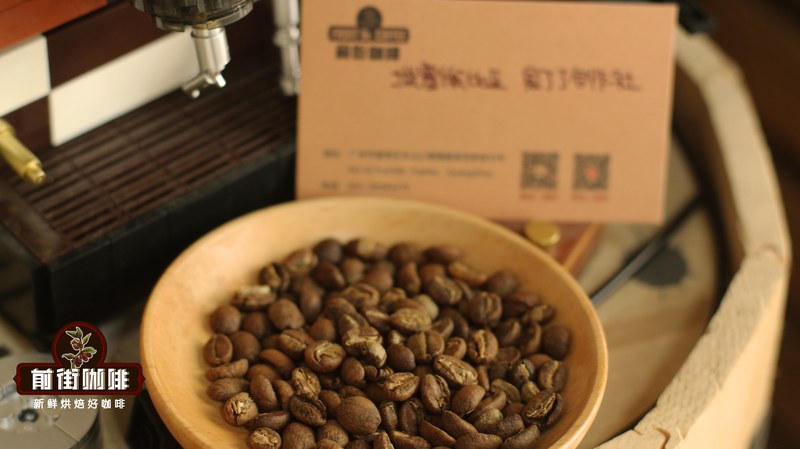
FrontStreet Coffee: Ethiopia · Guji G1 Hua Kui Coffee Beans
Country: Ethiopia
Region: Sidamo · Guji · Hambella Region
Altitude: 2050 meters
Variety: Heirloom
Processing Method: Natural (Sun-dried)
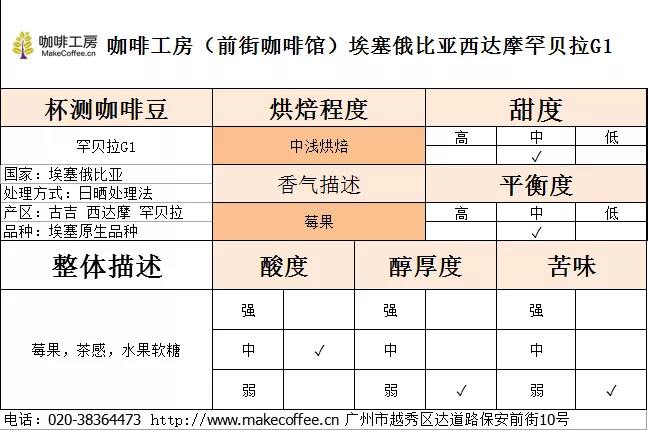
Flavor: Floral, Dried Fruit, Passion Fruit, Berry, Juicy
Region Introduction
The Guji region, sometimes translated as "Gujie," is a region that has attracted much attention in recent years. In recent years, it has achieved quite good results in terms of flavor expression and quality. The Guji region was previously part of the Sidamo region, but it was designated as a new independent region by the Ethiopian Commodity Exchange (ECX) in 2010.
Guji was not as well-known as regions such as Yirgacheffe and Harrar initially, but it was later independently divided into a new region due to the high-quality flavors of its coffee beans. This area has fertile black soil, with an average altitude of over 1800 meters, and its unique geographical features create terroir conditions that are very favorable for the growth of coffee trees.
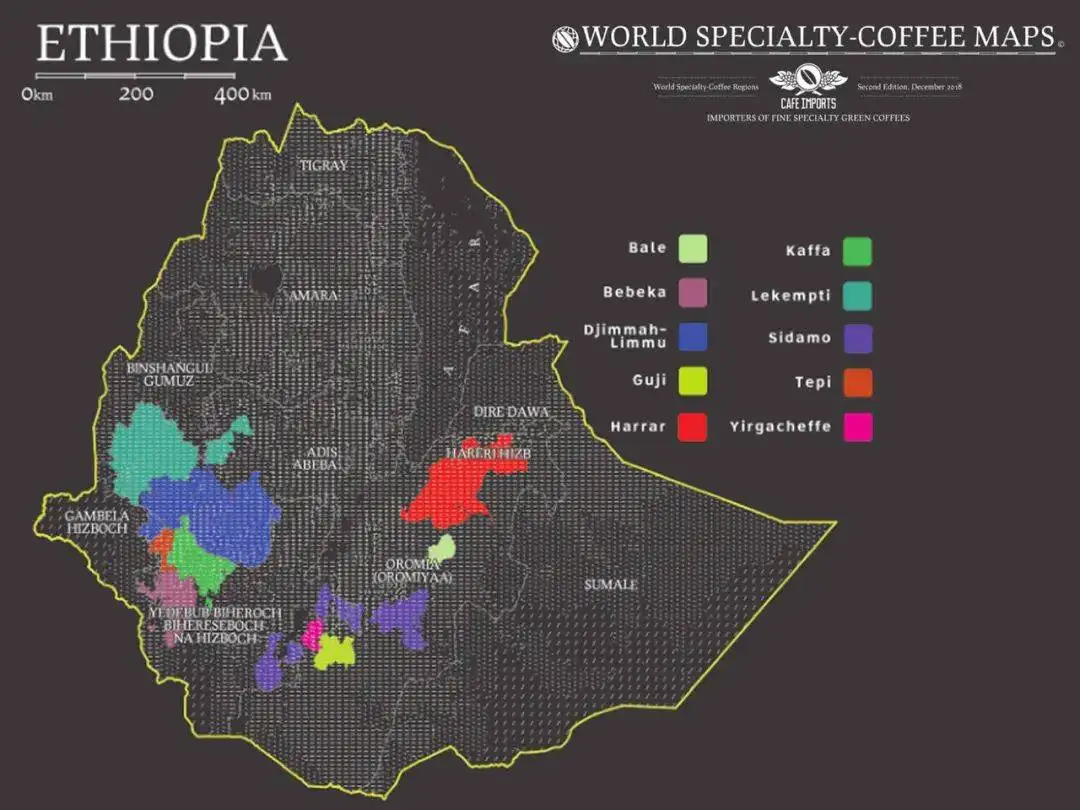
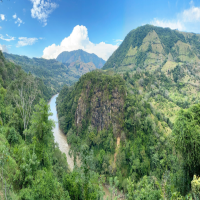
Located southeast of Yirgacheffe, the Guji region borders the Sidamo and Gedeo regions. It is an area with complex topographical variations, including towering mountains, highlands, plateaus, valleys, and plains. The biggest advantage of this area is that the vitality of the soil is maintained through the natural cycle of organic matter, using fallen leaves or plant residues from surrounding forests as natural fertilizers.
Hambella is governed by the Oromiyaa State, the southernmost administrative region of Ethiopia. It lies 3200m across the mountain from Kochere in the Yirgacheffe region to the west, neighbors Shakiso to the east, Uraga to the south, and Kercha to the north.
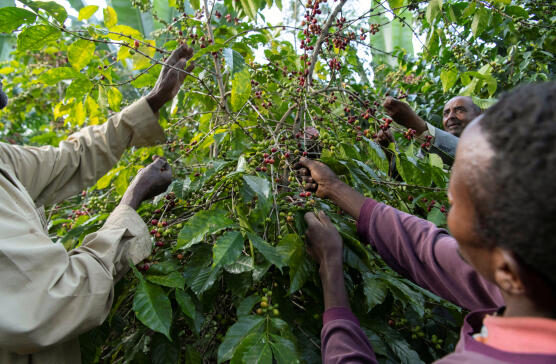
As a sub-region of Guji, Hambella currently has about 20 wet mills of varying sizes. The Hua Kui coffee beans come from the Buku washing station in Guji. The Buku washing station is located in Buku Abel village at an altitude of 2200 meters. In addition to the naturally favorable terroir, local farmers also take great care of each coffee tree. They plant shade trees next to the coffee trees, allowing the Hua Kui beans to receive sufficient sunlight without consuming excessive nutrients, thus preserving more essential nutrients in the coffee cherries.
Grading System
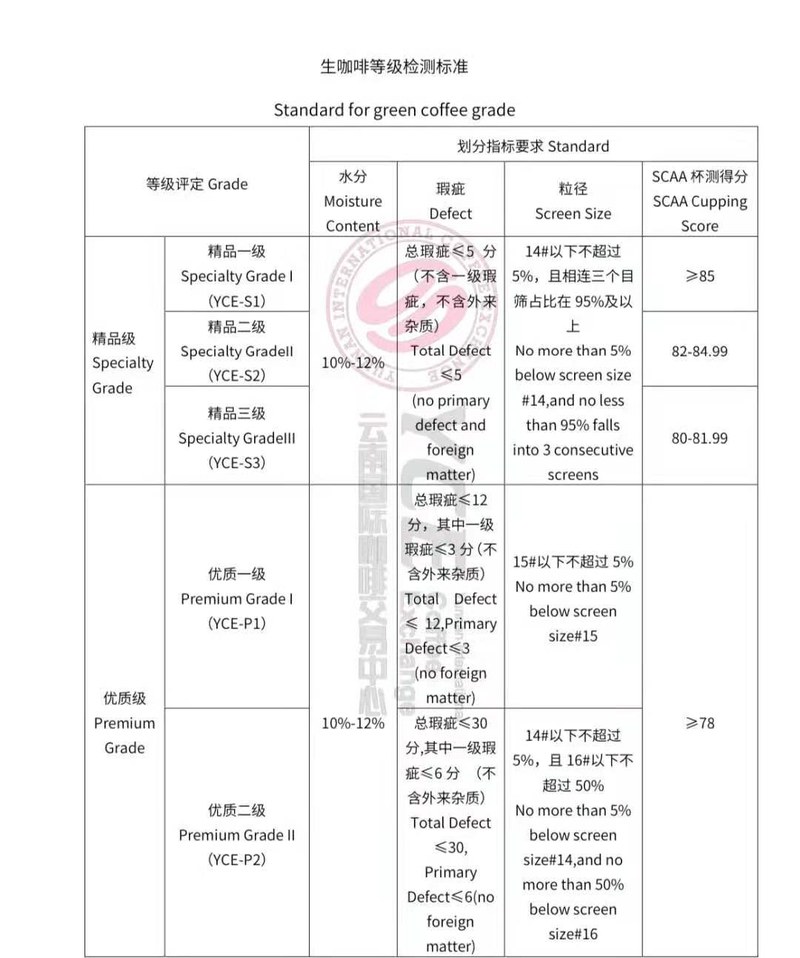
Ethiopia’s old grading method used to classify beans solely based on the number of defects. The highest grade for washed beans was Grade 1 - G1, while the highest grade for natural beans was Grade 3 - G3. The current grading system is defined by the ECX, which combines physical characteristics and cupping quality scores to determine the grade.
All coffee is categorized into three types based on processing method (washed or natural):
a. Specialty (washed & unwashed): Low number of defects, high cupping quality;
b. Commercial (washed & unwashed): Does not meet specialty grade but is higher than domestic consumption grade;
c. Local / Domestic (washed & unwashed): High number of defects (unripe beans), off-season, and poor storage leading to relatively inferior flavor.
Among these, Specialty and Commercial grades are for export to international markets, while Local grade is for domestic market sales.
The specific ECX grading and scoring criteria are as follows:
A. Scoring definition for washed processing method
1. Physical characteristics account for 40%: Defects (20%), Size (10%), Color (5%), Smell (5%)
2. Cupping quality accounts for 60%: Cleanliness (15%), Acidity (15%), Mouthfeel (15%), Flavor (15%)
B. Scoring definition for natural processing method
1. Physical characteristics account for 40%: Defects (30%), Smell (10%)
2. Cupping quality accounts for 60%: Cleanliness (15%), Acidity (15%), Mouthfeel (15%), Flavor (15%)
C. Overall Summary:
1. All coffee is first categorized by processing method: natural or washed;
2. Each is graded from G1 to G9 based on physical characteristics and basic cupping quality;
3. Among G1–G3, a further SCAA-standard cupping is conducted to assess flavor attributes in more detail. Those scoring no less than 85 among G1 and G2 are rated as Q1 grade;
4. Those scoring between 80 and 85 among G1, G2, and G3 are rated as Q2 grade, and all G1, G2, and G3 scoring below 80 are rated as G3 grade;
5. Q1 and Q2 are classified as Specialty Grade for export. G4–G9 remain unchanged in their original grading and are classified as Commercial Grade along with G3 for export.
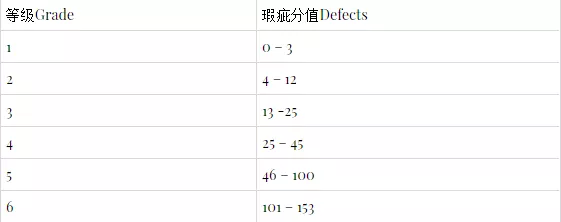
For washed beans, Grade 1 means 0–3 defective beans per 300g of green coffee; Grade 2 means 4–12 defective beans per 300g. Of course, in practice, the standards for defective beans may vary slightly between sellers and buyers (otherwise why could we pick out so many defective beans?), but the comparison of defect rates is still quite discernible. G1 beans clearly have fewer defects than G2, which means that, excluding the influence of specific flavor and roast level, Ethiopian G1 beans are of higher quality and score higher than G2 beans—at least in terms of defect-related flavors, the difference is clear.
Green Bean Analysis
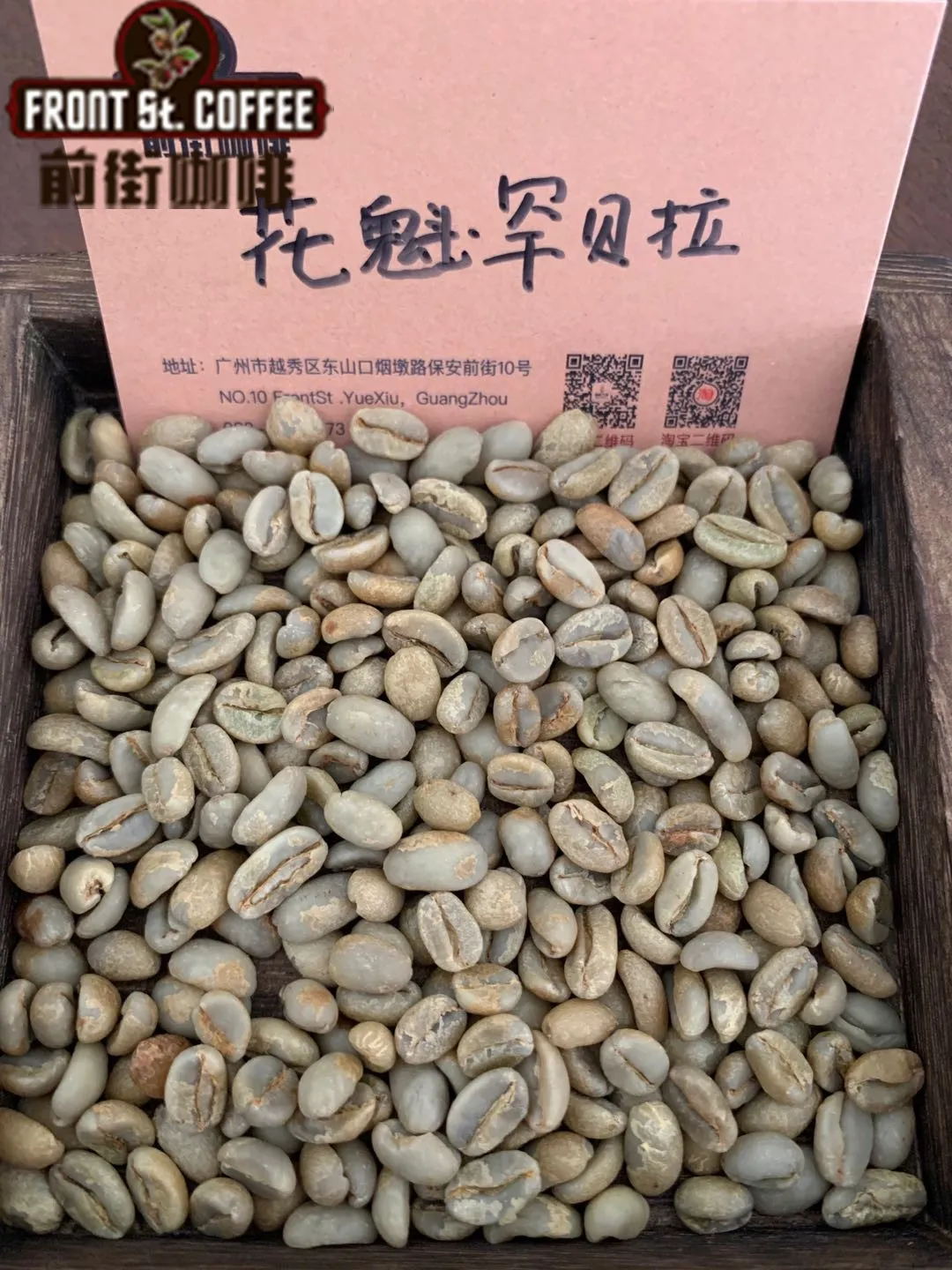
FrontStreet Coffee (FrontStreet Coffee) purchased G1-grade coffee beans from Hambella this time, making the roasting process and flavor expression more premium and stable.
Coffee Processing Methods
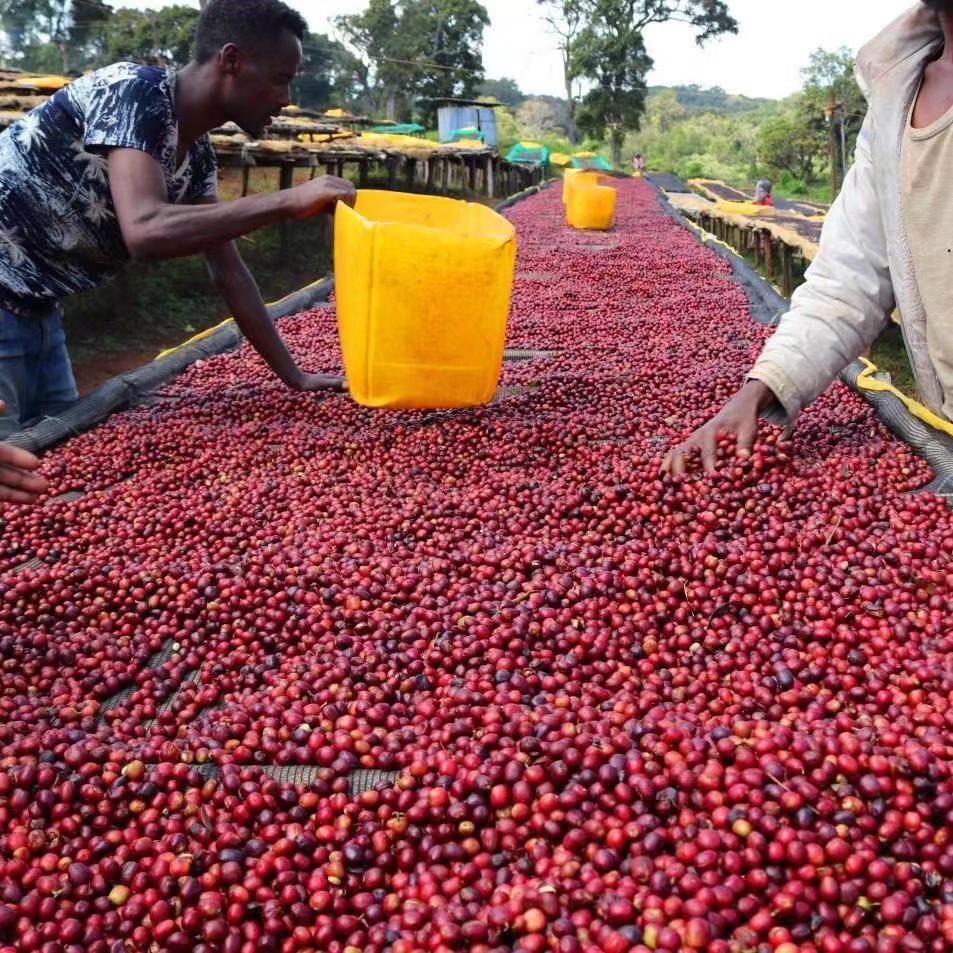
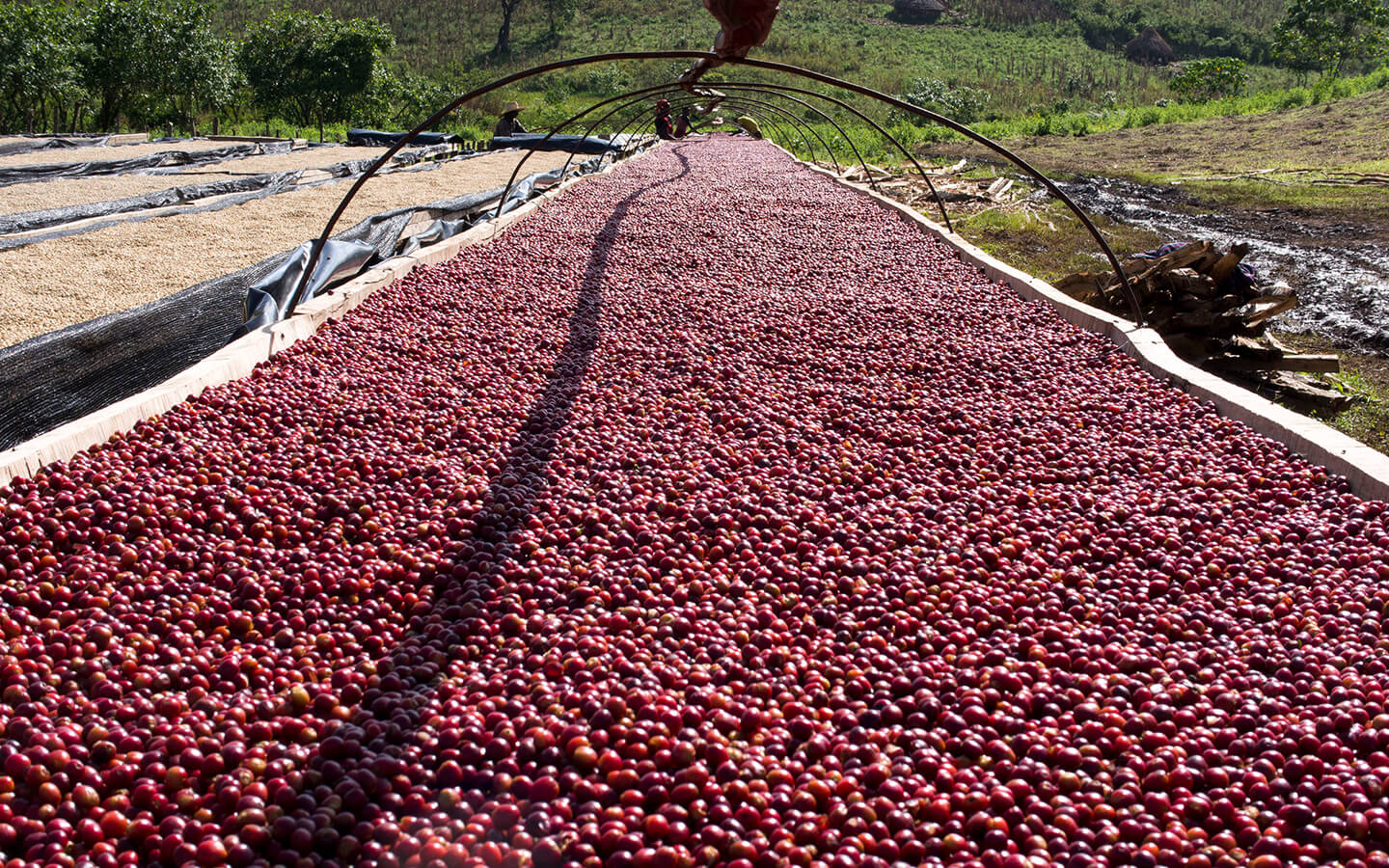
Natural (sun-dried) processing is the most traditional method. After harvest, the coffee cherries are dried naturally in the sun. The steps are as follows:
1. The harvested cherries are placed directly on drying beds and sun-dried;
2. During drying, the cherries are stirred at appropriate intervals to avoid uneven drying or fermentation;
3. After several days, they are dried;
4. The dried green beans are hulled with a machine to remove the pulp and skin, leaving just the beans.
Advantages: The coffee processed using this method retains the fruit’s mucilage during drying. Mucilage is naturally sweet, and during sun-drying, sugars are transferred to the beans. As a result, the coffee tends to have a stronger sweetness, rich flavor, and more complex layers.
Disadvantages: There tend to be more defective beans, inconsistent bean appearance, and a higher tendency to absorb earthy or off-flavors from the ground.
Roasting Recommendations
Cupping Flavor Notes
Front Street Coffee (FrontStreet Coffee) Brewing Recommendations
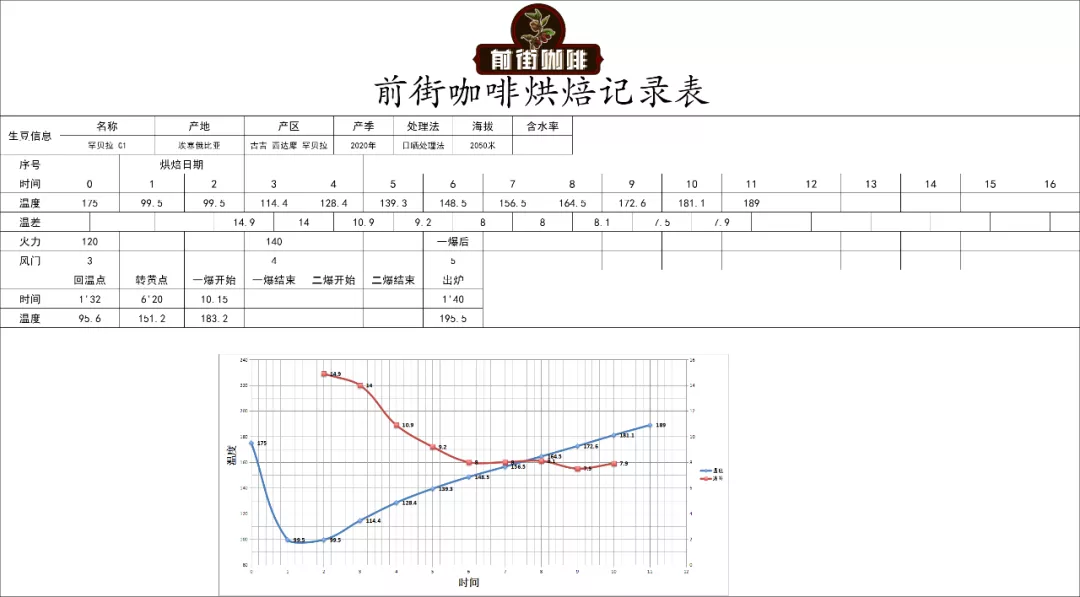
Front Street uses a medium-light roast to highlight the floral and tropical fruit characteristics of the Huakui beans. Due to the harder beans grown at high altitudes having lower water absorption after grinding, Front Street opts for a medium-fine grind. A higher brewing temperature with a V60 filter enhances the layered fruitiness.
Brewing Parameters Shared:
Coffee to Water Ratio: 1:15
Coffee Dose: 15 grams
Filter: Hario V60
Water Temperature: 92°C
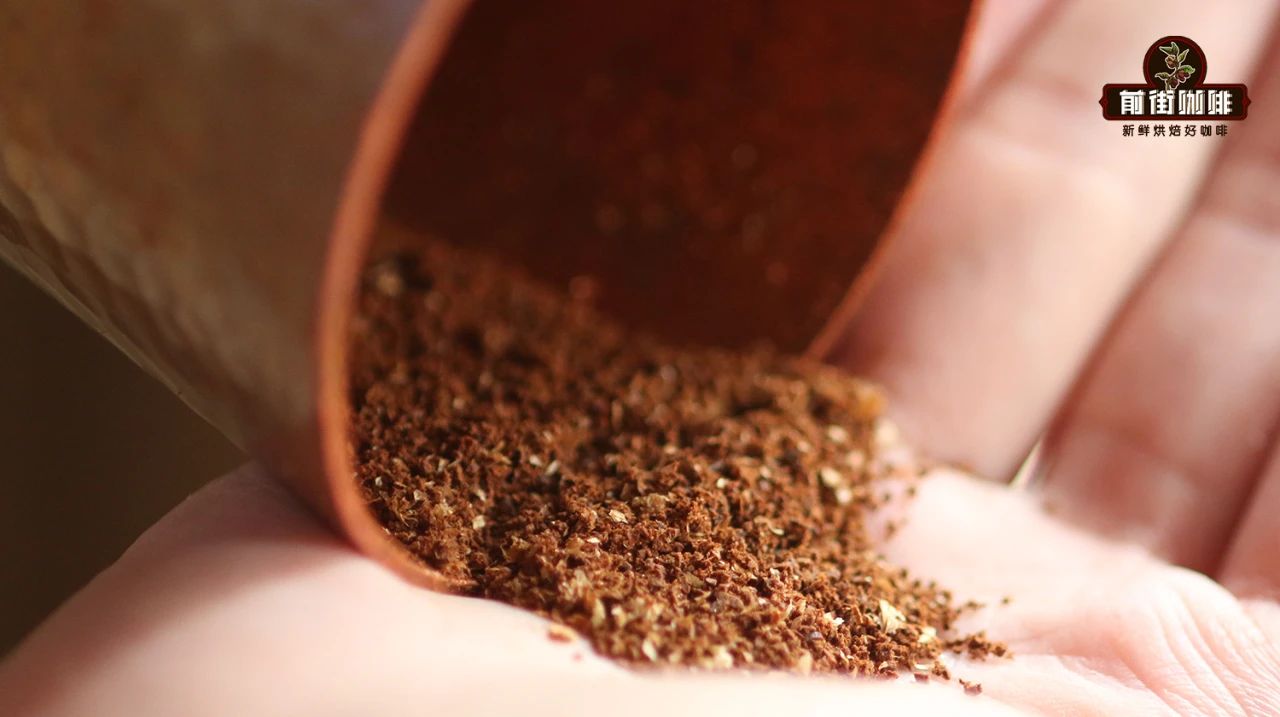
Grind Size: 80% through a standard #20 sieve (EK43s grinder setting 10)
Brewing Method: Three-pour technique
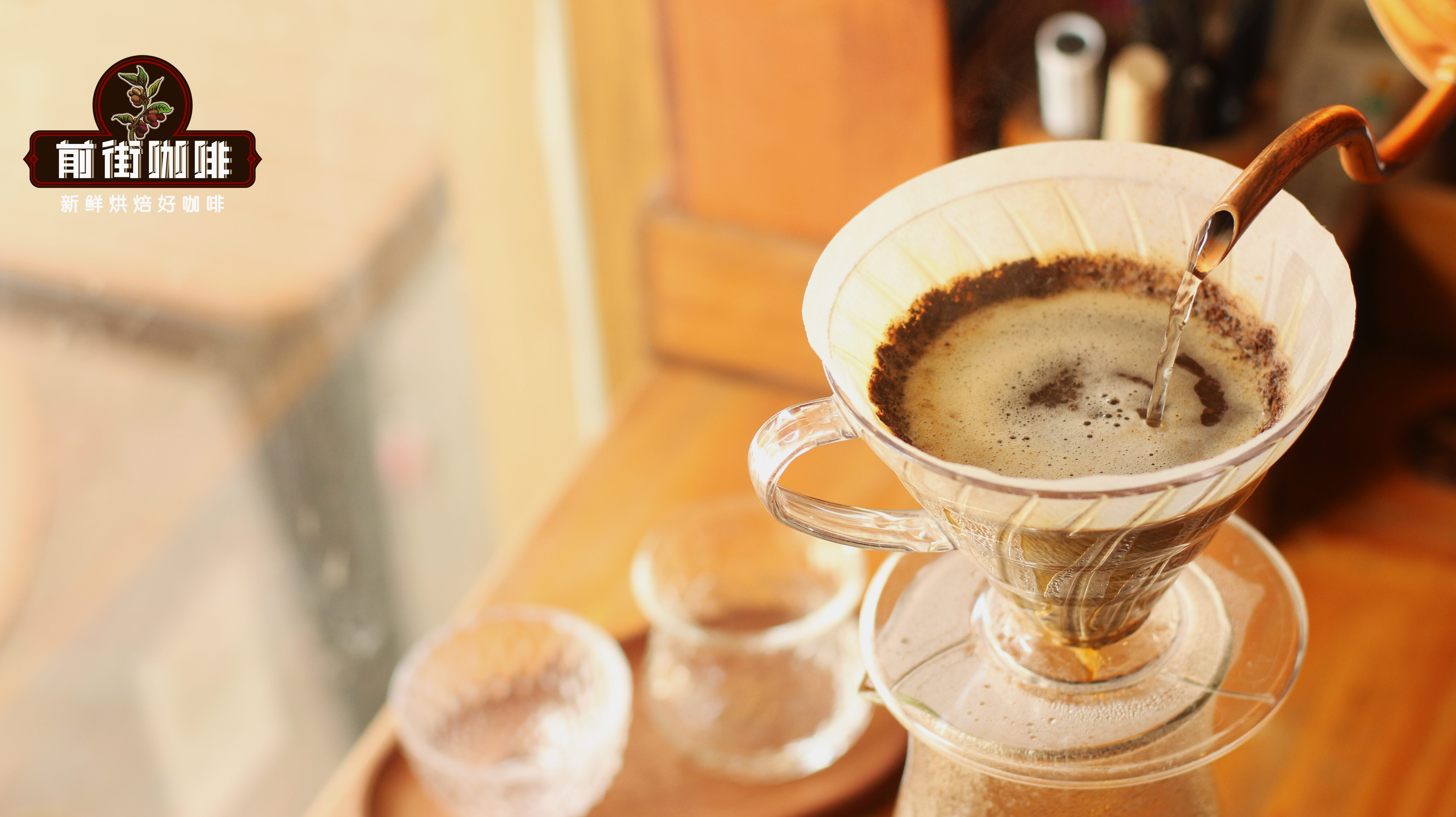
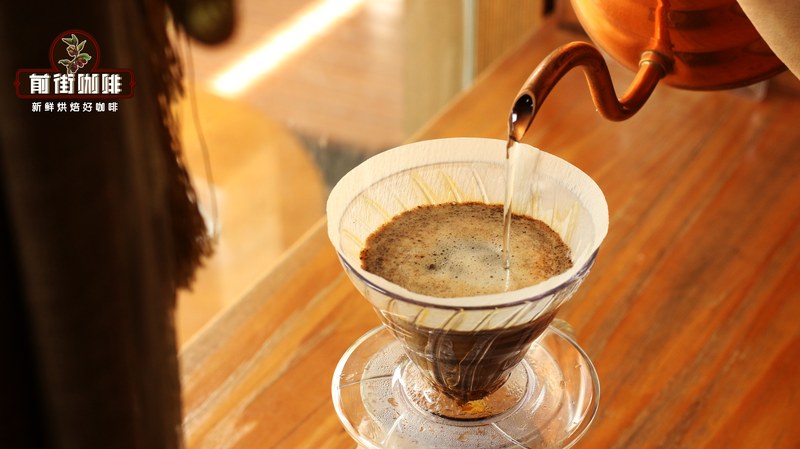
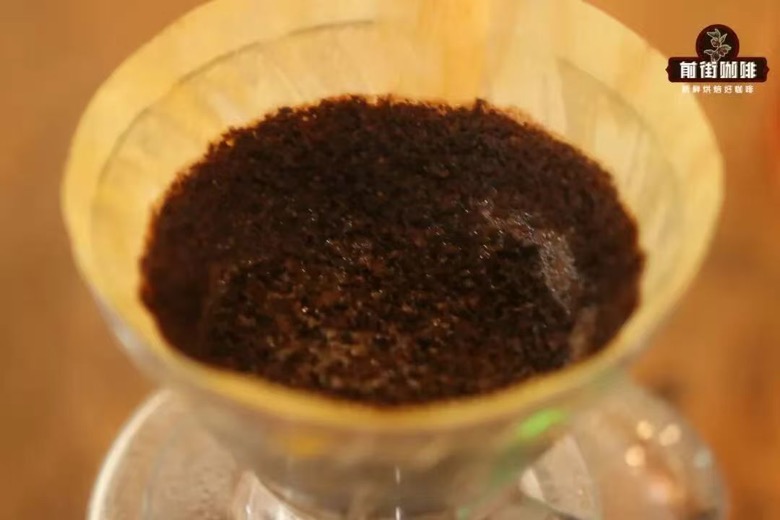
The freshly ground Huakui 5.0 coffee has a honey-like sweetness. Pour the grounds into the V60 filter, then wet the coffee bed with twice the amount of water (by weight) and let it bloom for 30 seconds. Then pour water in small circles from the center outwards until you reach 125g, then pause. Once the coffee bed sinks to about halfway down the filter, continue pouring a similarly fine stream to reach 225g for the third pour, and allow all the coffee to drip through. Total brew time is around 2 minutes (±10 seconds).
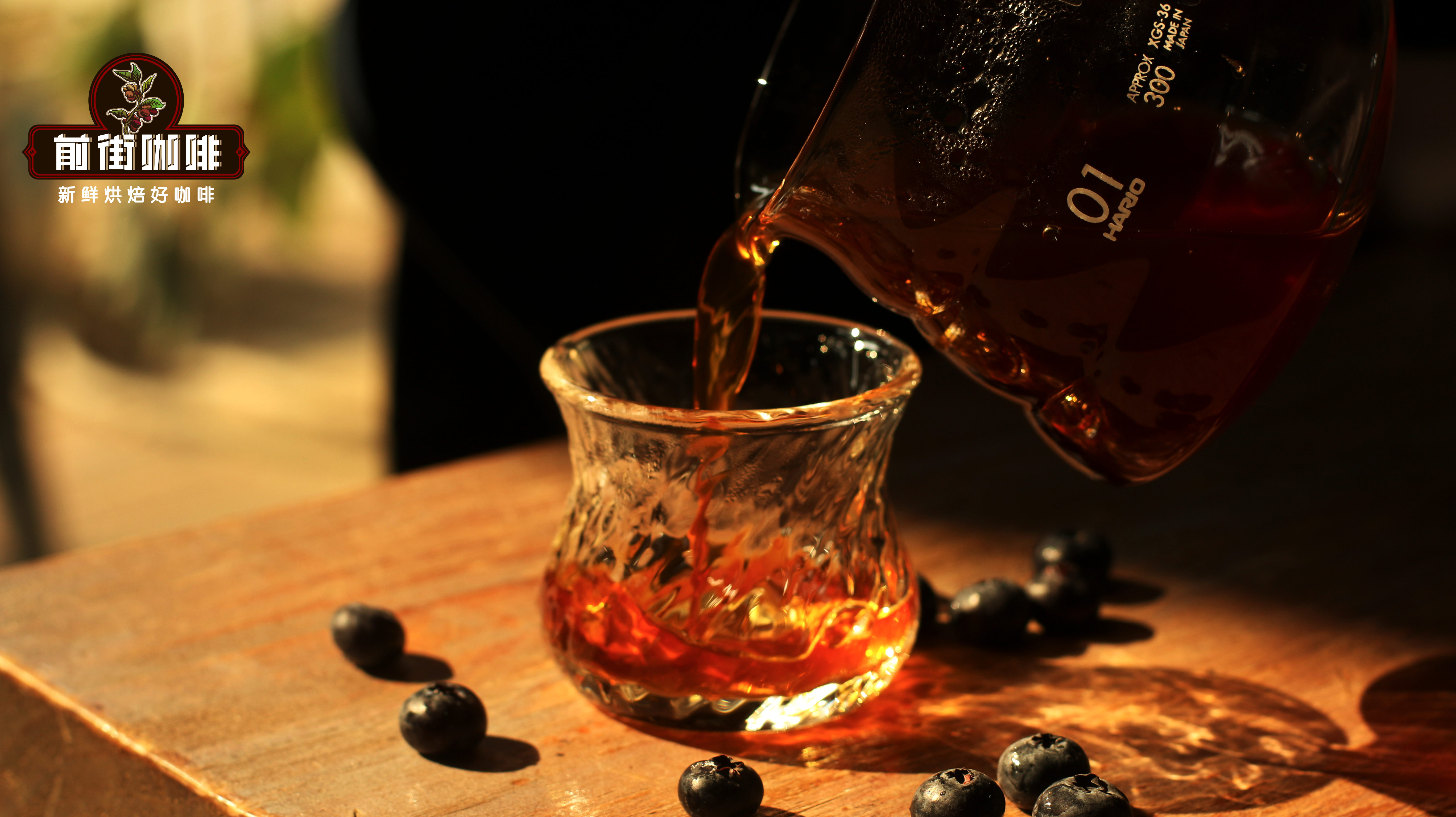
Flavor: The cup opens with intense sweetness of tropical fruits such as dried fruits and mango, along with the acidity of berries and citrus. The mouthfeel is creamy smooth, with an black tea-like aftertaste lingering in the palate.
Related Reading


Comments (0)
Loading comments...
You May Be Interested

Trending Reviews
Popular Videos

With you, wherever you are! We provide useful features to help you find new things you'll love






