Source:Best Coffee > News Author:qjroot Published:2024-08-01 18:44:27
North America is the world's third-largest continent. Its central part is made up of the Great Plains, while north-south trending mountain ranges are distributed along its eastern and western sides. It has many plateaus and mountains, and is home to numerous active volcanoes, rivers and waterfalls.
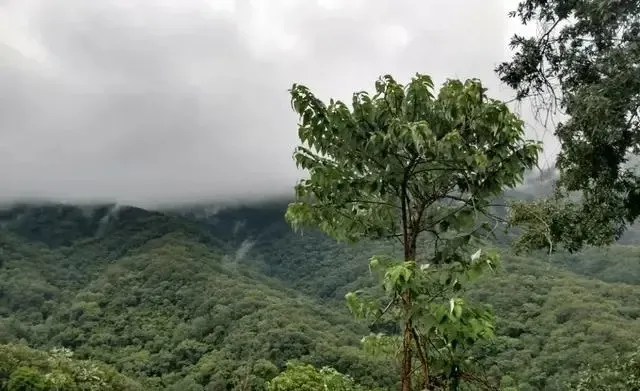
In addition, North America spans the tropical, temperate and frigid zones, and its climate is complex and diverse. Because it has suitable geographical environment and climatic conditions, many countries there grow coffee, such as El Salvador, Honduras, Costa Rica and Mexico. Among them, Mexico is the world's tenth-largest coffee-producing country, and in recent years it has produced quite a few outstanding coffee beans.
According to most historians, coffee was brought into Mexico via Cuba by the Spaniard Juan Antonio Garcia in the late 17th century. However, at that time traditional drinks such as chocolate and Atole (a stimulating drink made from corn) were more popular in Mexico, and people found that developing mineral resources was more profitable than growing coffee, so coffee cultivation did not develop well in Mexico at that time.
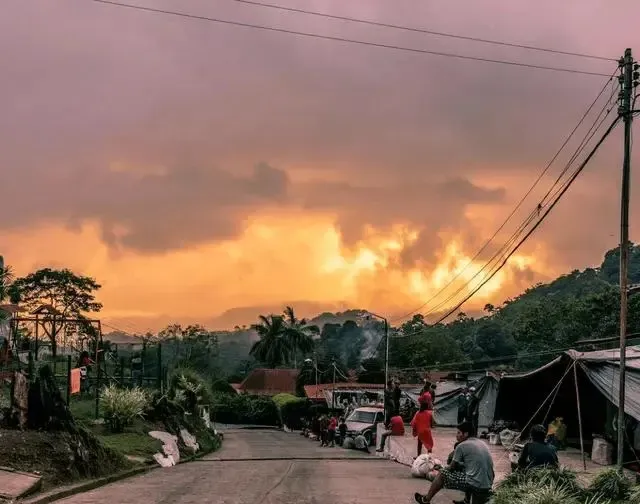
It was not until the 1870s that coffee producers in the Veracruz, Oaxaca and Chiapas regions began selling coffee beans in large quantities, and only then did coffee exports develop greatly. Later, in the 20th century, the Mexican Coffee Association (INMECAFE) was established, giving coffee growers technical and financial support and receiving government investment, and the coffee industry expanded in both output and planted area.
But in the 1980s, the Mexican Coffee Association announced its dissolution, and the government sold state-run coffee processing plants, leaving many farmers with nowhere to sell their coffee. Afterwards, output and quality began to decline, and this downturn continued into the 1990s and early 2000s. It did not change until 2006, when the emergence of coffee cooperatives and the opportunity they offered to supply organic coffee allowed the industry to recover.
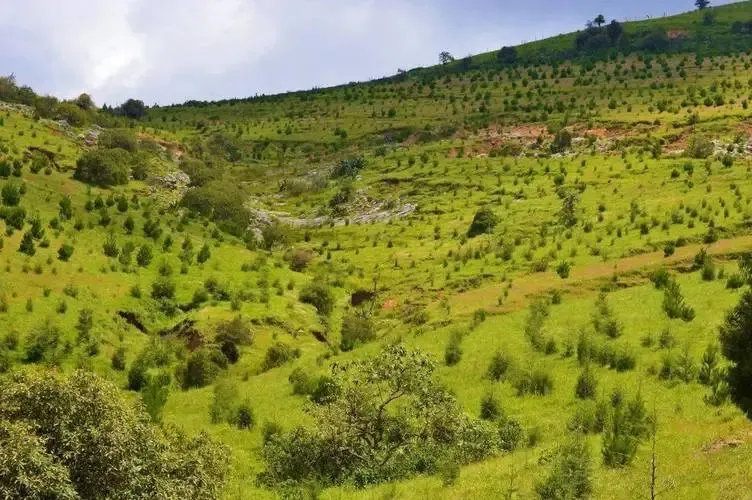
The coffee industry was able to develop in Mexico thanks to the country's geographical and climatic environment. Mexico is located in southern North America, and its territory is largely surrounded by the Sierra Madre, with the Mexican Plateau in the center, the flat Yucatan Peninsula in the southeast, and mostly narrow plains along the coastal areas. There are many volcanoes, plateaus and mountains; the plateau region is mild year-round, with an average temperature of 10-26°C, the northwestern interior has a continental climate, the coastal and southeastern plains have a tropical climate, and the south has a tropical rainforest climate, with most areas divided into a dry season and a rainy season. These conditions are very, very suitable for coffee cultivation,
Coffee cultivation is distributed across 16 states, but more than 90% of it is concentrated in four main producing regions in the south: Chiapas, Oaxaca, Veracruz and Puebla.
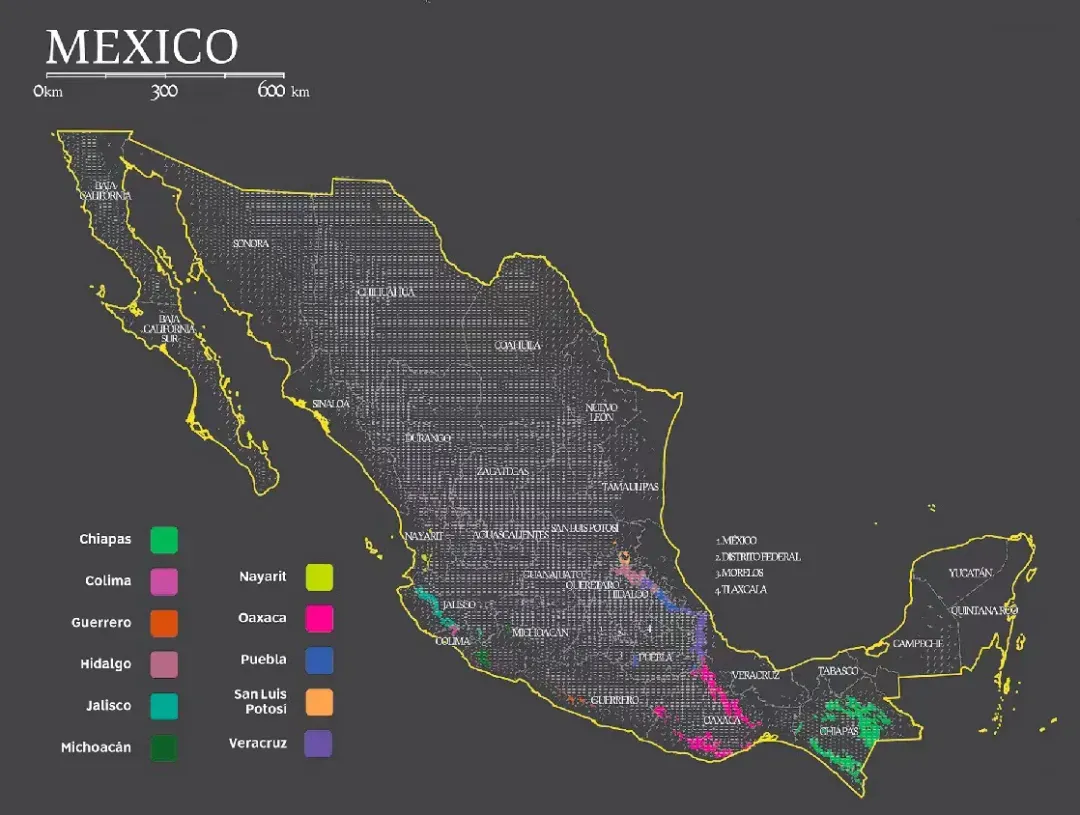
Veracruz is located in south-central Mexico, close to the Caribbean Sea, and has a port, making it a distribution center for agricultural products on Mexico's east coast. The state is home to Mexico's highest peak, Pico de Orizaba, and coffee production is centered on the mountains of the region, growing at altitudes between 1,100 and 1,600 m. Thanks to its developed industry, this is also the most advanced state in terms of coffee cultivation.
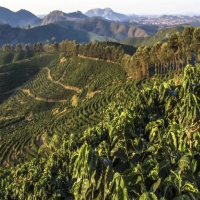
The state has quite a few high-quality coffee estates, such as La Perla farm. La Perla farm is located in the Coatepec area of the state, in a mountainous area with an average altitude of 1500 m, near a canyon. Warm air rises in the canyon while cold air descends, forming a unique microclimate, and it is often foggy, which can add moisture to the soil and the coffee plants.
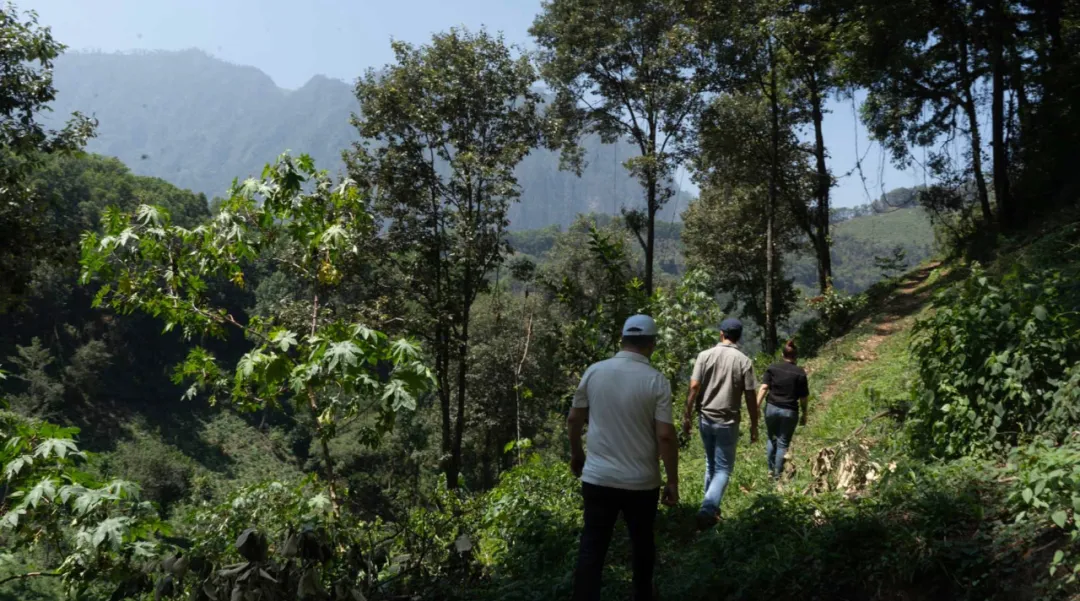
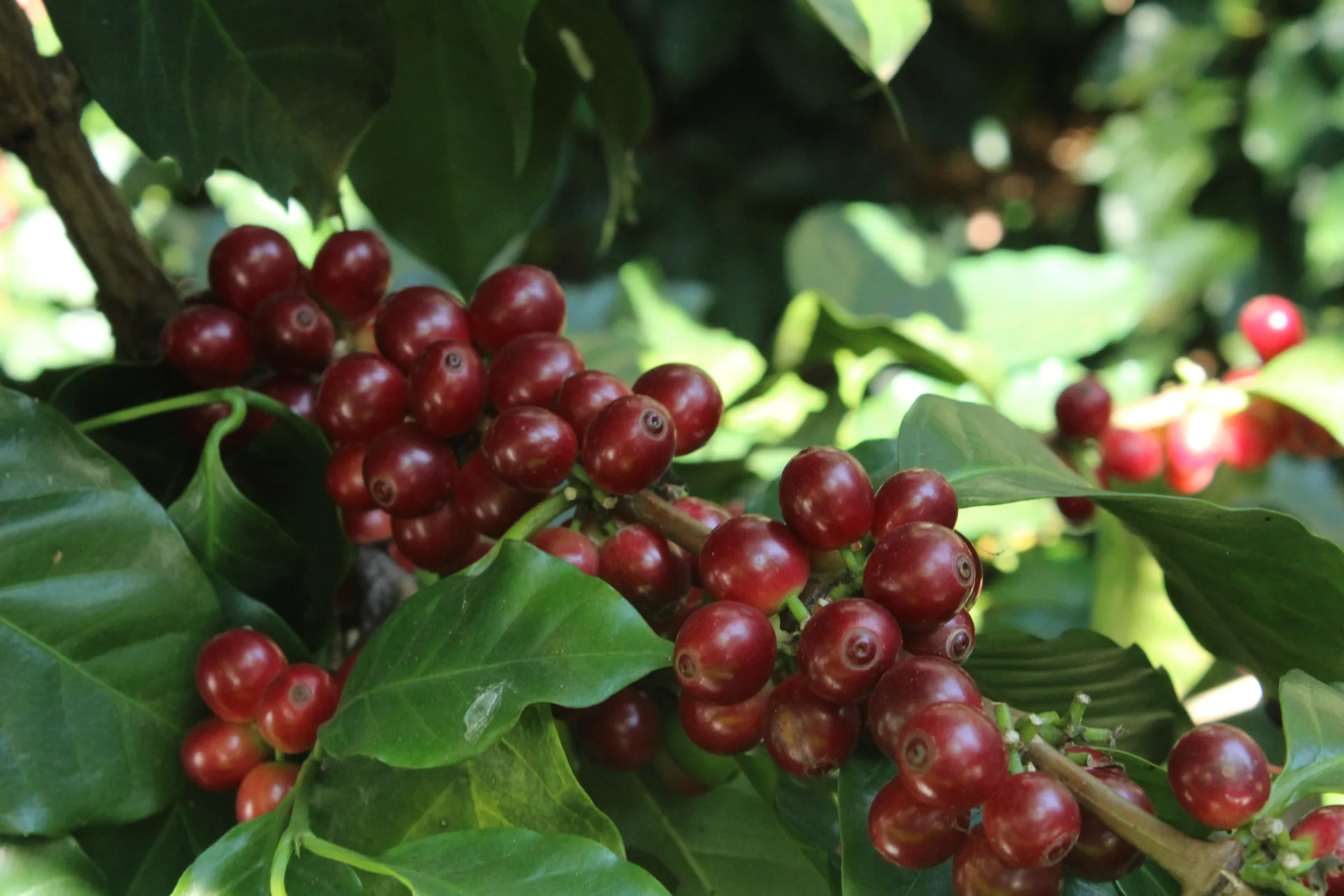
La Perla farm is managed by Ernesto Pérez Orea and his family. The farm was purchased by the estate owner's grandfather, Ernesto, and it was only in 2021 that it began to be used for agricultural production. The farm covers 35 hectares, of which only 10 hectares are used for growing coffee, with the rest serving as an ecological reserve for other crops. But the farm's focus is not only on production; it also centers on coffee research to improve quality. To this end, varieties such as Bourbon Bourbon, Geisha Geisha, SL28 and Pacamara Pacamara are grown here, and with a score of 90.79, the farm won the washed category of Mexico's 2024 COE.
Related Reading



Comments (0)
Loading comments...
You May Be Interested




Trending Reviews
Popular Videos

With you, wherever you are! We provide useful features to help you find new things you'll love






