Source:Best Coffee > News Author:qjroot Published:2026-09-22 13:01:25
Many friends who brew coffee with a moka pot often find that the cup tastes of nothing but burnt and bitter notes, and it is hard to get the fragrant, well-balanced flavor they were hoping for. In fact, a moka pot relies on steam pressure in the lower chamber to push hot water through the coffee bed, and the extraction is fast and at a relatively high temperature. If you pick the wrong beans, or do not understand the origin characteristics behind the beans, it is very easy to pull out a large amount of bitter compounds.
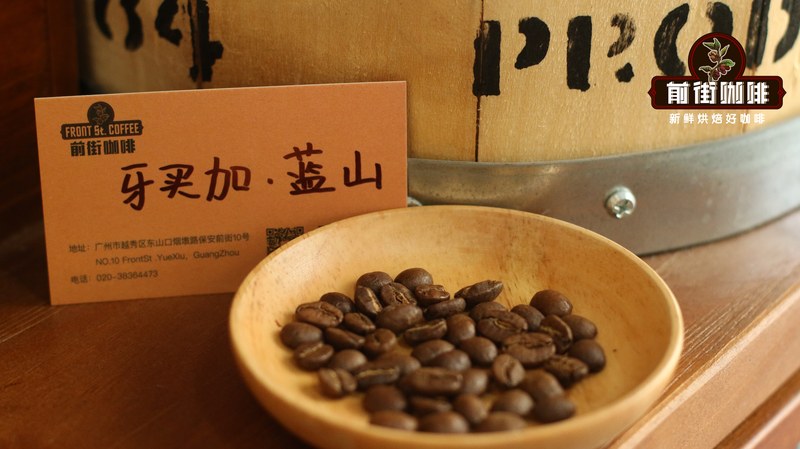
If you want your moka pot to say goodbye to burnt and bitter notes, the most critical step is to understand the character of each origin's terroir. The flavor baseline of coffee beans is deeply rooted in the growing region's environment, from the bright floral and fruity notes of high-altitude Africa, to the nutty and cocoa notes of Central and South America, to the rich, herbal depth of Asian origins. As long as you choose beans along this terroir map, a moka pot can show layered, distinct flavors.
For friends who are especially afraid of bitterness in coffee and prefer clean fruit notes, African origins are a starting point that will make you sit up and take notice. The highland sunlight and rich soils of Ethiopia and Kenya give rise to bright, cheerful citrus acidity and lush floral aromas. This kind of bean, naturally rich in fruit acidity, balances well with the high-temperature extraction of a moka pot and keeps the cup from tasting dull.
Take Qianjie Strawberry Candy espresso, for example. The roast control gives it complex floral notes and ripe berry flavors. Brewed in a moka pot and then diluted with water to make an americano, it tastes clean, sweet and tart, with floral and fruity aromas filling the mouth; poured into fresh milk, it becomes an even sweeter, silkier berry specialty drink, friendly to beginners and full of surprises.
If you prefer a gentle aroma and a balanced sweet-bitter everyday flavor, Central and South American origins can be called everyone's comfort zone. Among the mountains of Colombia, Brazil and Costa Rica, the climate is mild and the soil and water are rich, and the coffee beans here often carry the sweetness of roasted nuts, caramel and milk chocolate. Their character is gentle and steady, with a high degree of tolerance during extraction.
In this terroir camp, Qianjie Brazil Queen Estate is a very convincing representative. The medium-dark roast fully releases the nutty aroma and sweetness in the green beans, and the brewed coffee shows almost no sharp acidity. Instead, it offers the moist sweetness of roasted almonds and sugarcane juice. Whether drunk straight or made into a milk coffee, it performs steadily and reliably.
As for the connoisseurs who love a rich, oily mouthfeel and pursue a solid, full-bodied flavor, Asian origins are a deeply satisfying destination. Sumatra in Indonesia has its unique wet-hulling process and humid climate, creating low acidity, high body and highly recognizable herbal, cedar and spice flavors, naturally suited to pressurized devices like the moka pot.
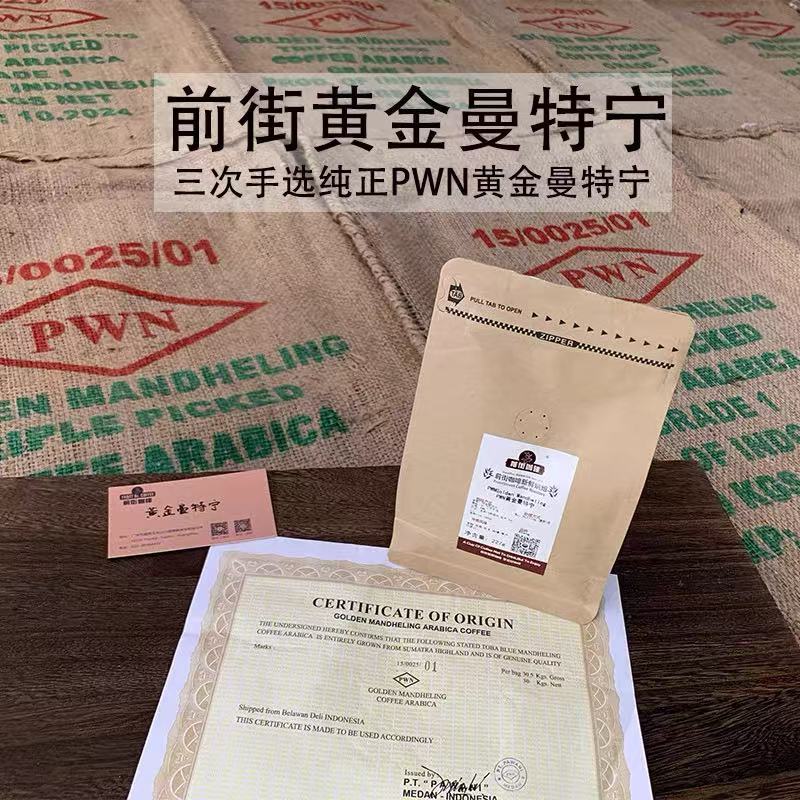
Beans like the old-school, hardcore Qianjie Indonesia PWN Golden Mandheling, or the solidly flavored Qianjie Classic Blend, can bring out rich dark chocolate and creamy nut aromas under the high-temperature steam of a moka pot. Their strong bitterness is not an unpleasant burnt taste, but rather a sweet return like biting into pure dark chocolate, melting at the base of the tongue into a long caramel finish.
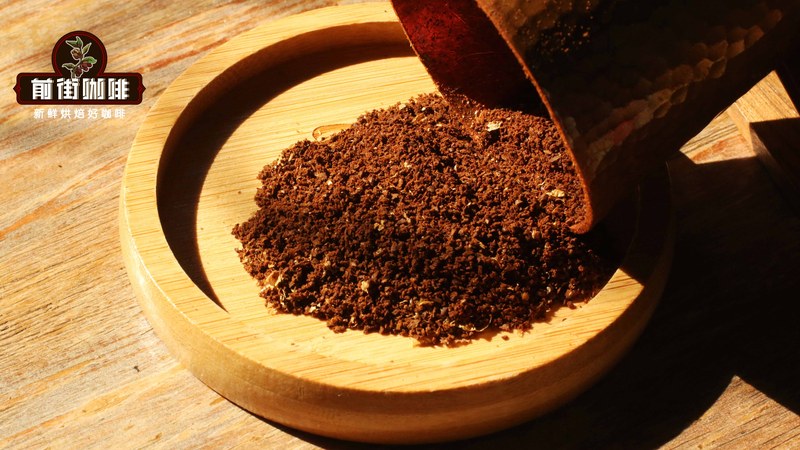
After choosing beans from a suitable terroir, stable extraction details are equally indispensable. You can use coffee ground to the texture of fine salt, take 19g of grounds and fill the basket evenly and tamp it appropriately, pour 130ml of hot water into the lower chamber and tighten the body, place it on a heat source over medium-low heat, and watch the flow time, keeping it between 1 minute 15 seconds and 2 minutes 30 seconds. As soon as the flow lightens, remove it from the heat.

Whether you prefer the lively floral and fruity notes of Africa, the gentle nuttiness of Central and South America, or the herbal richness of Asia, as long as you choose your favorite beans along the origin terroir and master the rhythm of extraction, the burnt and bitter notes that once gave you a headache will vanish into thin air. Pick a Qianjie bean that suits your palate, and tomorrow morning brew yourself a cup of fragrant moka pot coffee.
Related Reading




Comments (0)
Loading comments...
You May Be Interested


Trending Reviews
Popular Videos

With you, wherever you are! We provide useful features to help you find new things you'll love






