Source:Best Coffee > News Author:qjroot Published:2026-09-19 12:23:45
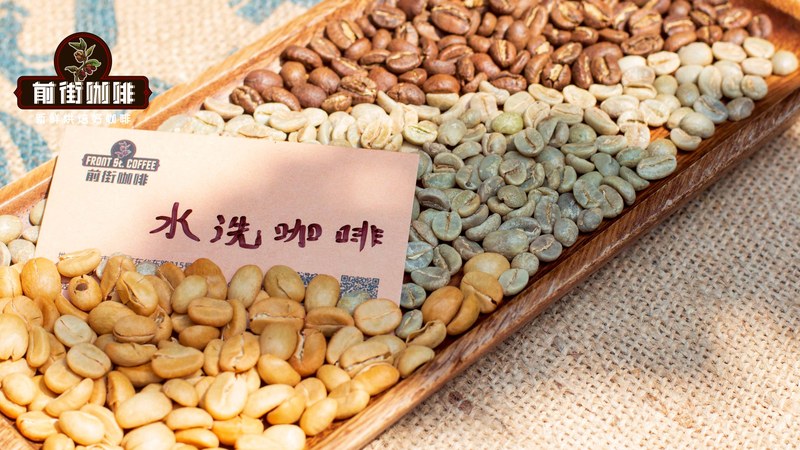
Faced with shelves full of coffee bean bags, many friends often hesitate between single-origin beans and blended beans. In fact, washed specialty coffee beans show completely different charms along these two different paths. Single-origin focuses on the terroir imprint of a specific region, while blends pursue a smooth, easy-drinking balance after combining different flavors. Once you clarify the priorities of these two paths, choosing beans becomes clear and enjoyable.
The single-origin path is an intuitive window into the terroir charm of washed beans. The washed processing method removes the outer fruit pulp and mucilage, preserving the pure character of the green bean itself, allowing the region's high-altitude acidity and refreshing tea-like feel to show fully. If you are used to brewing a cup of black coffee without sugar or milk every day, and enjoy savoring the ebb and flow of citrus, berry or floral notes, then washed beans from a single region can bring very vivid drinking pleasure.
For example, the light-medium roasted Qianjie Kenya Small Tomato is a washed single-origin with an extremely distinct regional personality. It carries a lively acidity like cherry tomatoes and the sweet moistness of ripe smoked plums, with a clear sugarcane-like sweetness emerging in the finish. When brewing this bean, prepare 15g of coffee grounds in a pour-over dripper, pour in 91°C hot water, control the coffee-to-water ratio at 1:15, first pour 30g of water to bloom for 30 seconds, then steadily pour in two stages up to 225ml, with the total time controlled at 2 minutes 05 seconds, and the juicy feel and clarity will be fully presented.
If you prefer gentle floral and fruity notes with an oolong tea feel, Qianjie Kaffa Forest is another exemplary washed single-origin of a different style. This bean has a distinct citrus aroma and a warm apricot sweetness on entry, with a refreshing tea fragrance in the aftertaste. When using a pour-over, you can pair 90°C hot water with 15g of grounds, a coffee-to-water ratio of 1:15, pour 30g of water to bloom for 30 seconds, then use a small central stream to pour in two stages up to 225ml, with a total time of about 2 minutes. As the temperature in the cup gradually drops, its sweetness becomes fuller and fuller.
Compared with the bold personality of single-origin, the blend path emphasizes complementary and inclusive flavors. Roasters usually blend two to three beans from different origins in proportions, some providing a rich base, some adding bright fruit aroma, and some filling out the sweet finish. By understanding the recipe proportions on the bean bag, you can roughly deduce the flavor direction of that bag of beans. A high proportion of washed beans often means a cleaner mouthfeel and a lighter, more balanced acidity and sweetness.
The SOE that many people often hear about in cafes is actually single-origin espresso. When washed single-origin beans enter the espresso extraction system, high pressure rapidly concentrates and amplifies the originally light floral and fruity acidity and sweetness, making it especially vivid and thirst-quenching when made into an iced americano. If you usually like americanos with rich fruit aroma and a refreshing taste, choosing a washed SOE bean with distinct flavor will bring a very bright surprise.
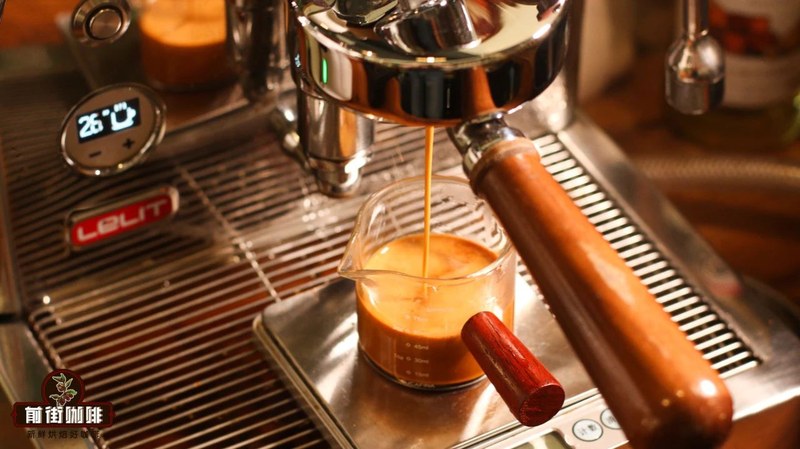
The performance of washed SOE on an espresso machine requires careful control. Using a bottomless portafilter, tamp 18g of very finely ground coffee, and under 9 bar constant pressure extraction, after 4 seconds of low-pressure pre-infusion, extract 36g of espresso in 26 seconds, then add 150ml of iced water and an appropriate amount of ice cubes to dilute it into an iced americano, and you can taste an extremely pure juicy flavor, with bright and lively acidity that never feels dull or heavy.
Compared with SOE, traditional blended beans are the capable partner of milk coffee lovers. Traditional recipes usually use washed or semi-washed beans to build a steady base of nuts, cocoa and butterscotch, with richer and longer-lasting crema. The espresso extracted under high pressure has a solid sense of weight, and even when poured into a large amount of dense hot milk, the coffee's original aroma remains clear and three-dimensional, interweaving with the milky sweetness into a silky, rich nutty chocolate aroma.
When making an everyday latte, traditional blend espresso can provide an excellent flavor framework. Load a double filter basket with 19g of coffee grounds, distribute evenly, then extract under constant pressure, controlling it so that 38g of thick espresso flows out at 27 seconds, and slowly incorporate it into 200ml of whole milk steamed to a slightly sweet, warm temperature. The whole cup of milk coffee has a warm, lingering mouthfeel and a full, solid aroma, making it very suitable as a regular drink to start the morning with energy.
Which path to choose depends entirely on who the protagonist in your cup is. If you want to use a dripper on a quiet morning or afternoon to carefully capture the fruit aroma and tea charm that nature has given to a specific mountain forest, pick a bag of washed single-origin and brew it slowly; if you want to quickly make a large cup of milk coffee, or pursue a stable, rich taste day after day, a reasonably matched blend will be more effortless. Following your own drinking habits, you can easily find the cup that suits your heart.
Related Reading

Comments (0)
Loading comments...
You May Be Interested




Trending Reviews
Popular Videos

With you, wherever you are! We provide useful features to help you find new things you'll love






