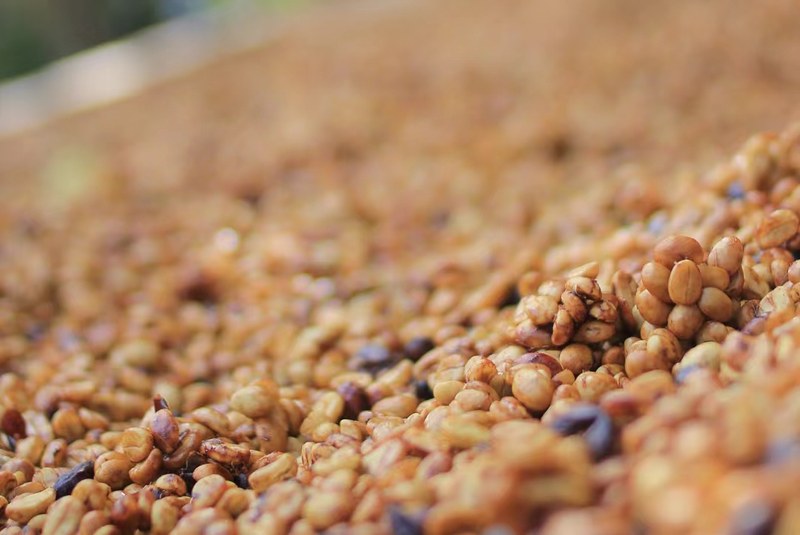
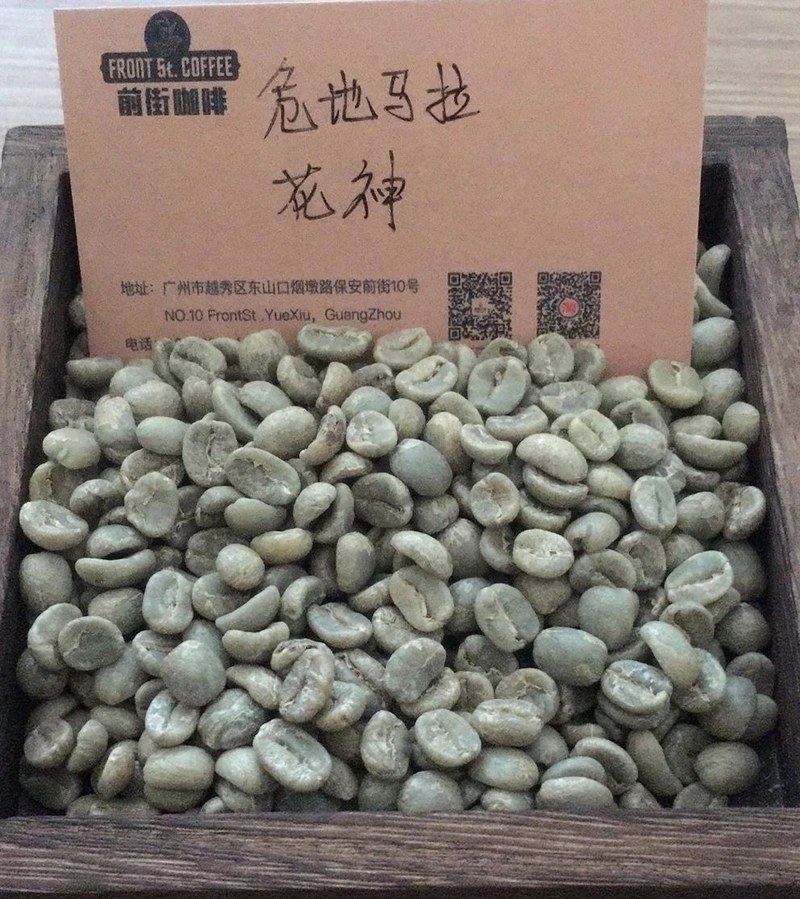
The Kenyan SL28 variety is one of the most famous and most popular varieties in Africa. In recent years it has become known for its striking blackcurrant and bright fruit acidity, and after Geisha it is the representative variety that attracts the most attention. In fact, SL28 did not originate in Kenya -- just as Geisha originated in Ethiopia yet achieved star status in Panama, SL28 has the same ability, shining from its planting home of Kenya out to the major coffee countries.

Kenya SL28 is a direct Bourbon line selected and cultivated in Kenya by French and British missionaries and researchers in the early twentieth century, with a mixed lineage of French Mission, Mocha and Yemen Typica. High sweetness, a refined balance, pronounced citrus and smoked plum flavours, intense and rich fruit acidity, a full body and a beautiful balance: these are the coffee flavour characteristics unique to Kenya SL28.About [Scott Laboratories]Founded by the colonial government in 1922, the [Scott Agricultural Laboratories], now renamed the [Kenya National Agricultural Laboratories], or NARL for short, was established with the aim of [conducting extensive trials on imported coffee varieties, researching and selecting single tree types with ideal characteristics for planting], providing farmers with technical advice and planting-related training; its other work also included yield trials, grafting trials, pruning, shade-growing trials and cover crops for the roots.

In 1944, the Kenyan government decided to move the coffee research laboratory to a larger [coffee research institution] with better experimental facilities, which has been in operation since 1949.The Origin of the SL28 VarietyAccording to historical records, in 1931 an official from the Scott Laboratories traveled to Tanganyika (present-day Tanzania) to conduct field surveys. He noticed that a coffee tree variety grown in the Moduli area seemed resistant to drought, disease and pests, so he collected seeds and brought them back to the Scott Laboratories. In 1935, the laboratory selected a single tree from the Tanganyika drought-resistant population and, through continuous breeding and improvement, eventually released SL28, a descendant of the Moduli area variety. In recent years, genetic research has confirmed that SL28 belongs to the Bourbon genetic group.
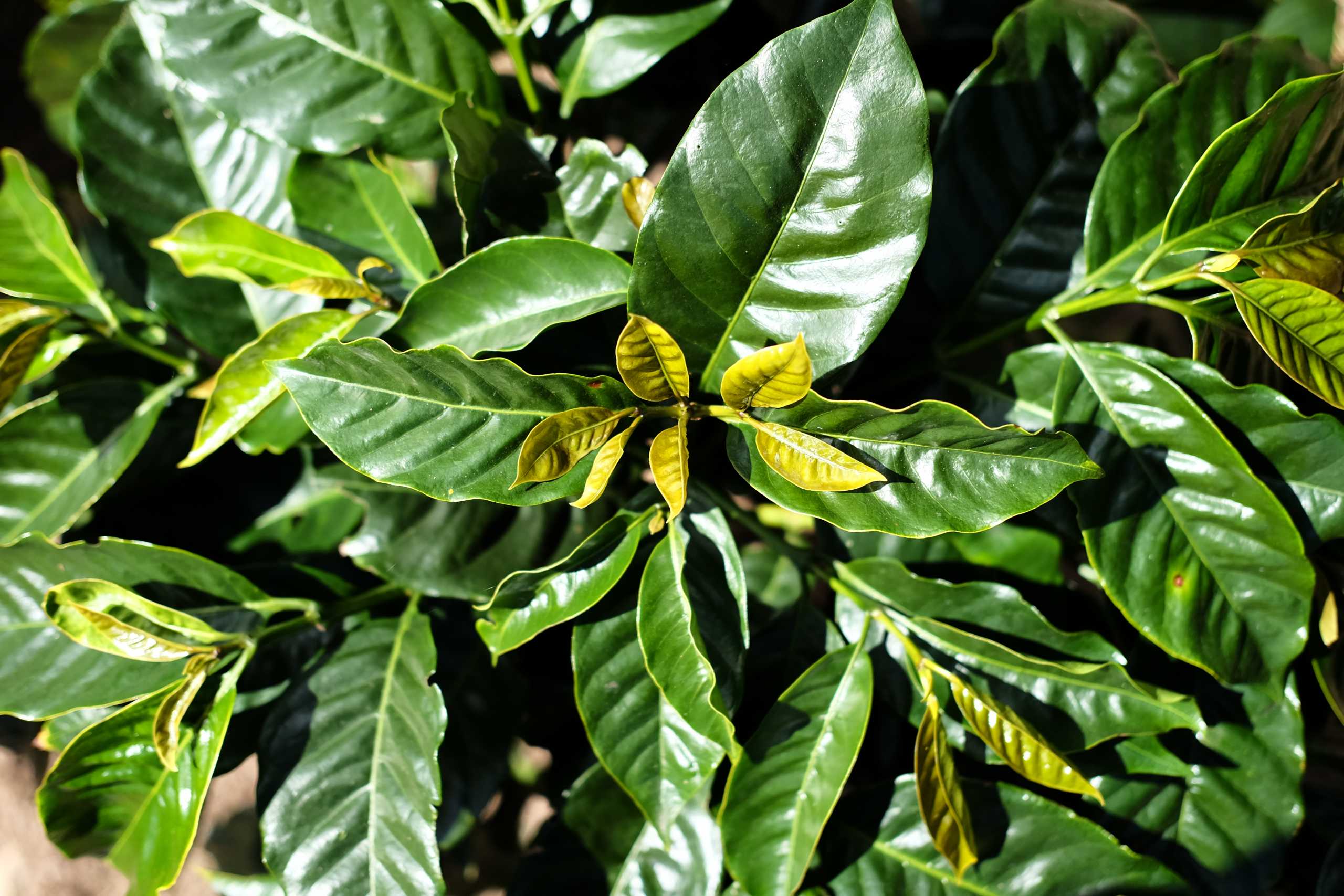
Characteristics of the SL28 VarietyThe SL28 variety is easy to cultivate and requires no special care. Its beans are large and its yields are high, and its flavor potential is very high. After being released by the Kenyan authorities in the 1930s, it was first planted in Kenya and then spread to Uganda. Today it is attracting widespread attention even in Central America. This variety is suited to medium- and high-altitude regions and has drought resistance, but it remains susceptible to the main coffee diseases.The Coffee Flavor of the SL28 Variety The flavor of the SL28 variety does carry the bright tonality of the original Bourbon, even the rich acidity of the original Mocha variety, along with other more complex flavors and a rich mouthfeel. Although SL28's yields later fell short of the expected high volume, its bronze leaf color and fava-bean-shaped seeds offer a wonderful sweetness, balance and complex, ever-changing flavors, along with pronounced citrus and smoked plum characteristics, strong rich fruit acidity, a full-bodied mouthfeel and a beautiful balance. Most notably, only when grown in Kenya can SL28 display this distinctive tonality; SL28 grown in other countries has only a similar flavor.
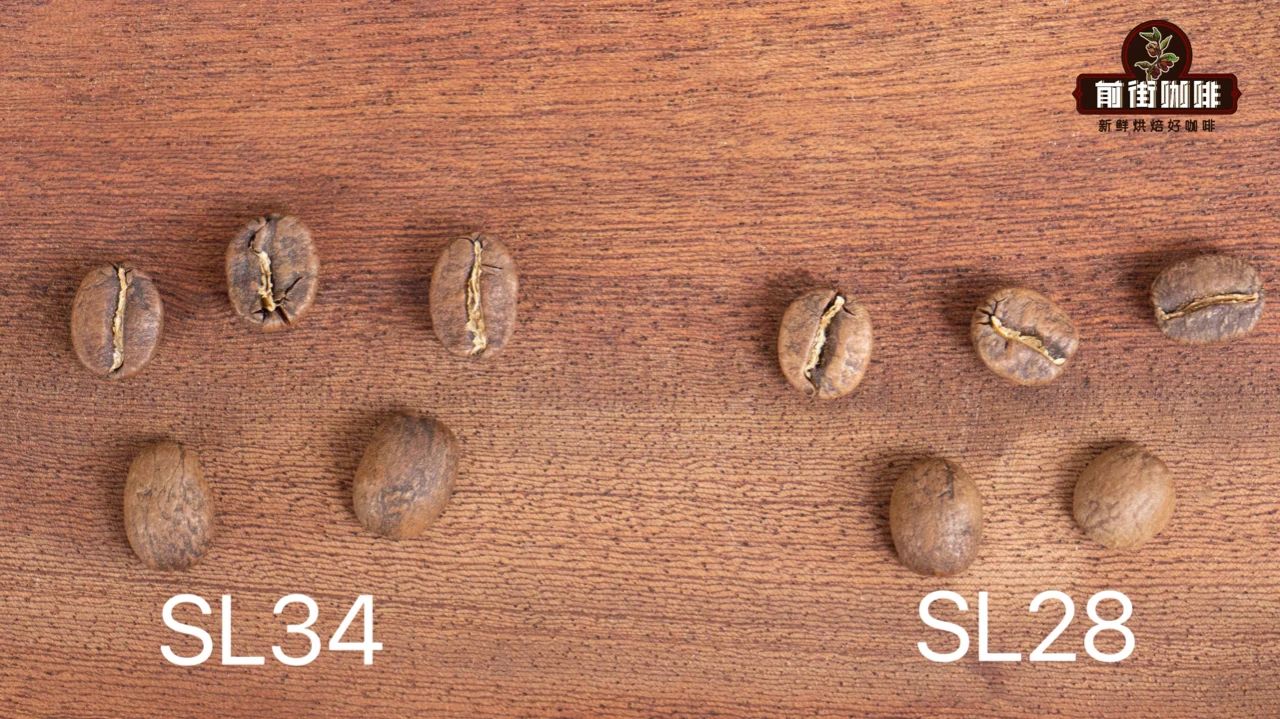
The development trend of the SL28 varietyIn recent years, across major coffee-growing countries, including Hacienda La Esmeralda in Panama and Guatemala, growers have joined the ranks of those planting SL28. Its momentum has clearly taken shape, as seen in beans such as the Kenya SL28 coffee from El Salvador's Olives Tree Estate.

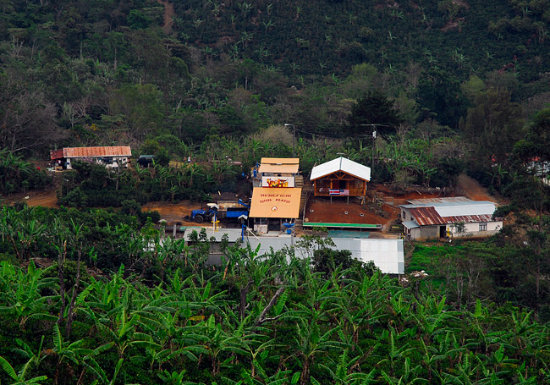
El Salvador Olive Tree EstateEstate: Olive Tree EstateFlavor: Citrus, lemon, berry, nut, creamIn terms of flavor, this bean showcases the rich citrus acidity of the Kenyan SL28 variety, and the estate owner's washed processing method also gives this bean a clean, bright mouthfeel.