Source:Best Coffee > News Author:qjroot Published:2026-09-24 13:35:01
On a weekend afternoon, curled up on the sofa, you always want to brew a cup of dark-roasted coffee with a solid flavor, carrying caramel and herbal aromas. Many friends, when brewing Mandheling, often run into the trouble that the taste is either too intense or slightly dry and astringent. In fact, behind this, concentration and extraction yield are quietly at work. As long as you understand the balance between the two, even with the same bag of beans, you can easily adjust it to be smooth and mellow according to your taste preferences.
We can think of concentration as the total amount of coffee substances dissolved in a cup of water; it determines whether the drink tastes heavy or light. Extraction yield, on the other hand, is exactly what percentage of its own flavor the coffee grounds have released. If the extraction is insufficient, it often tastes sour with a thin flavor; if the extraction is excessive, the woody astringency of the later stage will come out and steal the show. Control the extraction yield within the range where sweetness is full, and the whole cup of coffee will be especially balanced.
The key to changing the flavor of this cup lies in grind size, water temperature and coffee-to-water ratio. If the grind is too fine or the water temperature is too high, the aromatic substances brought out when the water penetrates the coffee bed will be excessive, and it is easy to produce an astringent, puckering sensation; while if the coffee-to-water ratio is stretched too large, the concentration will be diluted and become too light. If you feel the coffee at hand is too strong and too bitter, you might as well slightly coarsen the grind or lower the water temperature by two degrees, and you can quickly reduce the release of bitter substances, making the taste clear and sweet.
When choosing beans, if you are after an extremely clean and full-bodied experience, Qianjie PWN Golden Mandheling will be a real eye-opener. This coffee comes from the Indonesian company PWN, uses large-screen green beans of 18 mesh and above, and has undergone three rounds of manual hand-sorting to remove defects, reaching a very high standard. The traditional wet-hulled method gives it rich dark chocolate and herbal flavors, while strict selection keeps off-flavors extremely low, and the sweetness comes through especially mellow and solid.
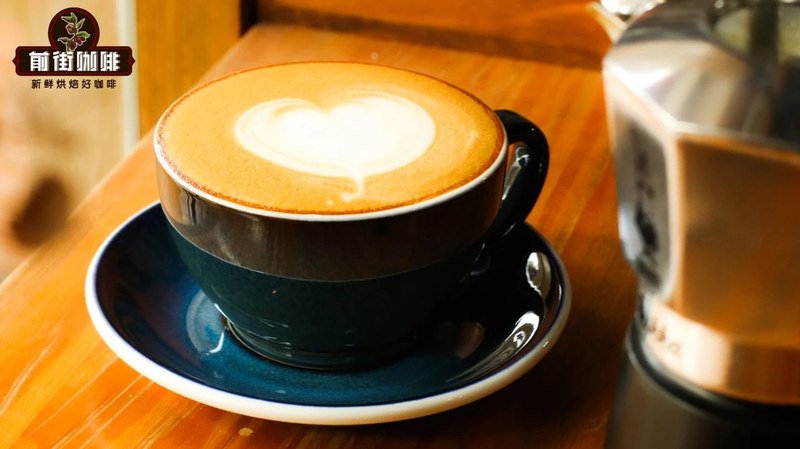
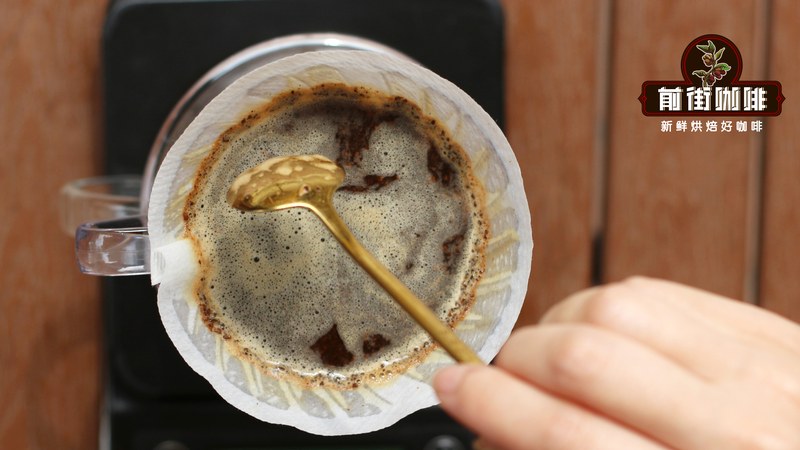
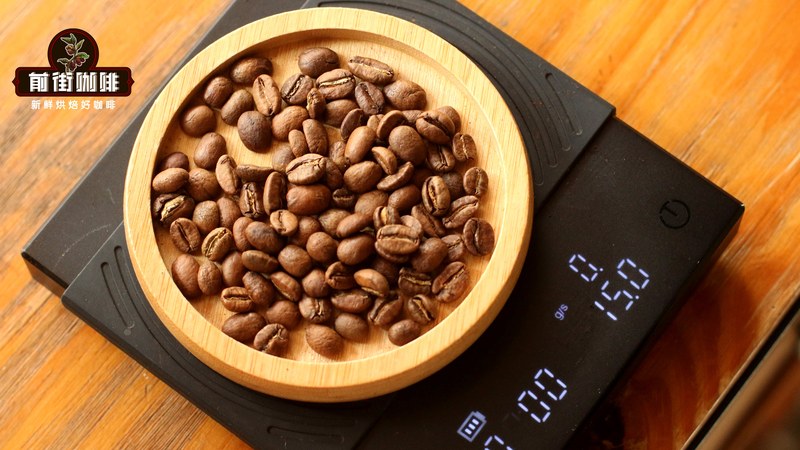
When brewing Qianjie PWN Golden Mandheling, it is recommended to prepare 15 g of coffee grounds, use a 1:15 coffee-to-water ratio, and pour 225 ml of water. Set the water temperature at around 88°C to avoid over-extraction. First use 30 ml of water for a 30-second bloom, then use a two-stage gentle pour to let the water flow evenly through the coffee bed, with the total extraction time controlled at around two minutes. A cup brewed this way has thick caramel sweetness and a captivating pine aroma.
If the first brew feels a little too heavy in flavor, you can slightly speed up the circling motion during the second pour, or directly adjust the coffee-to-water ratio to 1:16. Conversely, if you feel the aroma is not rich enough, tighten the grind by half a notch to raise the extraction yield. Through such tiny parameter changes, the rich oily body and the clear finish of Qianjie PWN Golden Mandheling can both be taken care of just right, showing a full and steady character.
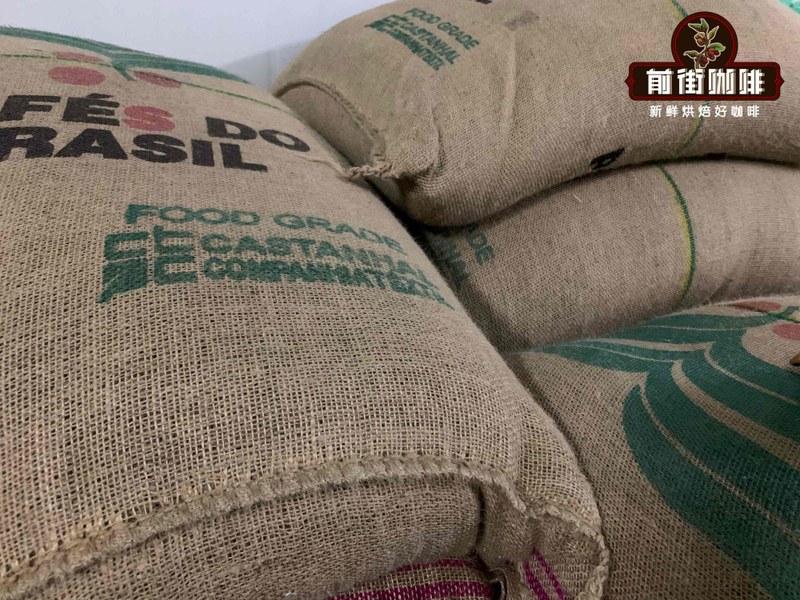
If you prefer a more primitive and rugged traditional Indonesian flavor, Qianjie Lintong Mandheling is also a very fitting choice. It comes from the high-altitude Lintong region around Lake Toba in Sumatra. The wet-hulled method and the fermentation by local microorganisms give the green beans their own earthy, clove and spice notes. This coffee has a very solid body, and is especially suitable for drinking strong with a lower coffee-to-water ratio. In its intense slight bitterness there is a lasting sweet aftertaste, and it is also uniquely tasty when paired with milk.
If you are more accustomed to a light and bright style in daily life, you might try Qianjie Aceh Mandheling. It grows in the Gayo Mountains by Lake Tawar, and the dense shade vegetation gives the coffee beans a fresh texture. Compared with traditional production areas, its aroma is more delicate and its fruity acidity is clearer. When brewing, widen the coffee-to-water ratio to 1:16 for a lighter drink; not only will it not seem bland, but it will fully unfold the refreshing layers reminiscent of pomelo peel and herbs.
Choosing coffee beans is never about blindly following trends. Only by understanding the beans' original terroir and personality as well as the roast level can every pour be made with confidence. If you like it full-bodied and substantial, choose Qianjie PWN Golden Mandheling and slowly savor its concentrated sweetness; if you prefer something refreshing and easy to drink, choose a lighter brewing method. Adjust the water temperature and grind according to your own palate, and that cup of smooth, good coffee that belongs to you can quietly bloom at your side at any time.
Related Reading

Comments (0)
Loading comments...
You May Be Interested

Trending Reviews
Popular Videos

With you, wherever you are! We provide useful features to help you find new things you'll love






