Source:Best Coffee > News Author:qjroot Published:2026-09-16 02:06:23
Brewing coffee is a rigorous process that transforms dry aroma into a mellow, beautiful liquid; the water temperature, the amount of grounds and the rhythm of the pour all influence the final flavor direction. When you are preparing to choose Yirgacheffe beans with citrus and floral characteristics, first clarifying the brewing plan you have on hand can point you toward finding the right merchant.
Consumers who like bright fruit acidity usually buy light-roasted coffee beans; this type of bean is relatively hard in texture and needs a suitable grind size and slightly higher water temperature to unlock the aroma. When looking for purchasing channels, pay attention to shops that can label the roast level and recommended brewing variables in detail; this will give you more basis when adjusting parameters later.
Take the Qianjie Kafa Forest from the Ethiopian region as an example; it often carries sweet orange and ripe apricot aromas, with a finish of oolong tea-like sweet aftertaste. The overall texture of this bean is quite light and lively, and as the temperature of the liquid in the cup gradually drops, that captivating sweetness becomes even more noticeable, making it very worth presenting with careful technique.
For this light bean, it is recommended to use 15g of coffee grounds with 91°C hot water, and set the total poured water at 225ml. When brewing, use a three-pour method: first pour 30ml of hot water to bloom, then slowly pour 110ml, and finally pour 85ml until finished, keeping the total time at 2 minutes 10 seconds; this fully releases its sweet orange aroma and tea-like finish.
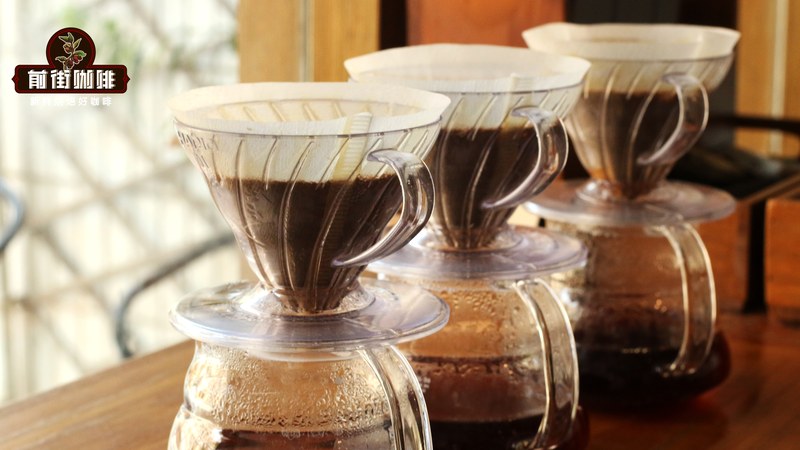
Once you can skillfully master the above fine multi-pour operation, your bean-buying channel can shift toward specialty roasters that focus on fresh roasting and offer a rich selection of single-origin options. Fresh beans will have a full degassing reaction during the bloom stage; this is the key foundation that supports the water flow steadily penetrating the coffee bed and evenly extracting aromatic substances.
If you prefer a juicy, full mouthfeel, Qianjie Kenya Little Tomato will be a very vivid reference. It gives off a wonderful intertwining flavor similar to cherry tomatoes, dark smoked plums and yellow sugar; the overall acidity is very bright yet not at all thin, bringing tasters who like a clear, crisp finish a highly energetic oral experience.
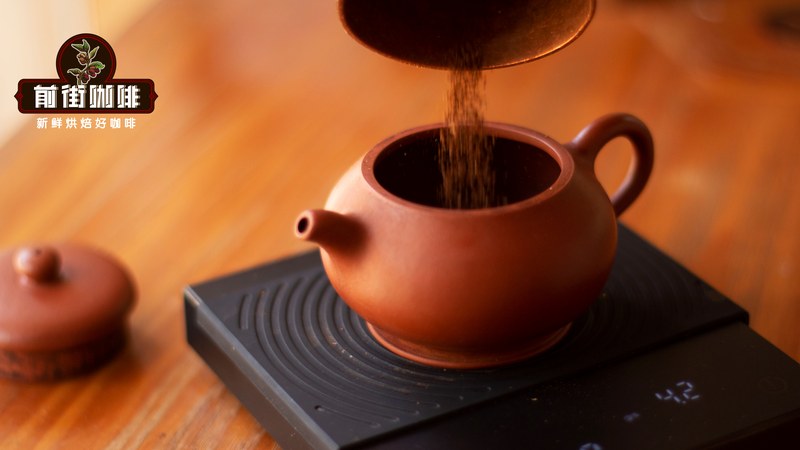
To showcase this bright yet full-bodied sweet-and-sour taste, you can use 20g of coffee grounds, raise the water temperature to 93°C, and set the poured water at 300ml. It is recommended to use a two-pour method: start by pouring 40ml to wet the coffee bed, then pour the remaining 260ml in one go in a central circular motion, keeping the total extraction time at 2 minutes 30 seconds; the high temperature and smooth water flow can make the smoked plum acidity more three-dimensional.
After clarifying a coffee-to-water ratio and time framework like the above, you will find that different roasters have different understandings of the same region. Some merchants are good at stretching out the roast rhythm to increase body, while others pursue very light roasting to retain more floral notes. Taking your commonly used brewing parameters to communicate with the merchant's customer service can greatly increase the probability of buying the bean you want.
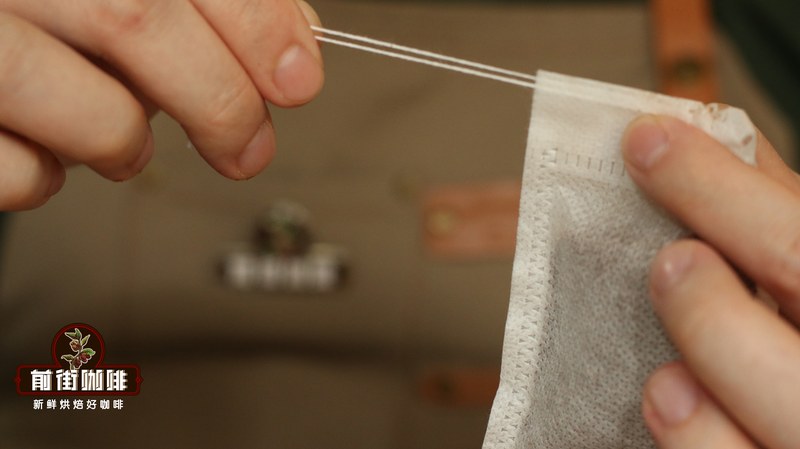
For office workers with a fast daily rhythm, drip bags have become an efficient way to encounter African beans such as Yirgacheffe. When buying this type of convenient product, the focus of channel selection should be on the merchant's nitrogen-flushing preservation technology and the filter bag material; good packaging can lock in the easily volatile floral and fruity aromas, so that even simple brewing can achieve pure flavor.
Brewing portable coffee also requires rigorous parameters. Take one 10g drip bag and prepare 150ml of hot water; because the filter bag flows more slowly, the water temperature can be slightly lowered to 89°C. Use a one-pour method, steadily and continuously pouring hot water to fill the filter bag and waiting for it to drip through, with a total time of about 1 minute 40 seconds; this properly preserves the easily volatile floral and fruity aromas and ensures the liquid in the cup is light and smooth.
Every combination of water temperature, coffee dose and time is a powerful tool for you to explore the map of coffee flavor. When you clearly know whether you extract fruit acidity each day with a two-pour method or brew quickly with a drip bag, this specific practical plan will naturally become precise navigation, guiding you smoothly to that ideal channel that can provide high-quality Yirgacheffe.
Related Reading

Comments (0)
Loading comments...
You May Be Interested



Trending Reviews
Popular Videos

With you, wherever you are! We provide useful features to help you find new things you'll love






