Source:Best Coffee > News Author:qjroot Published:2026-09-19 12:38:28
Although drip bag brewing is convenient, the flavor often seems monotonous, which usually stems from a mismatch when choosing your approach. Single-origin and blends represent different production logics: single-origin focuses on showcasing the regional personality bestowed by a specific microclimate, while blends use the complementarity of several green beans to achieve a balanced, well-rounded taste. Once you understand the characteristics of these two approaches, you can quickly clarify your thinking when selecting beans and find a direction that suits your taste.
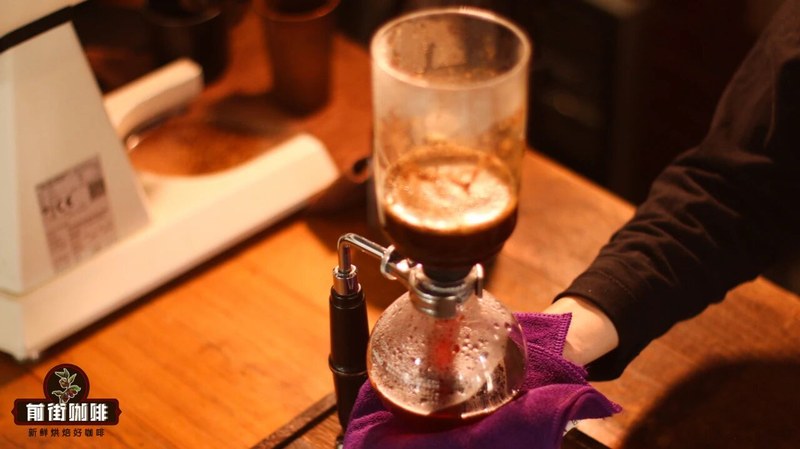
The core charm of the single-origin approach lies in the vivid release of personality; what you drink is the unique imprint left by different estates, varieties and processing methods. If you prefer a bright, clean floral and fruity character, Qianjie Kaffa Forest is a highly recognizable bean. With proper extraction, the cup briskly blooms with juicy aromas resembling freshly peeled sweet orange and ripe apricot, with a delicate oolong tea note in the finish, and as the temperature drops slightly, the warm, gentle sweetness becomes even more prominent.
To bring out the delicate regional characteristics of this kind of single-origin bean, the brewing parameters need to be clear and precise. Using a standard pour-over dripper, take 15g of coffee grounds, set a 1:15 coffee-to-water ratio, and pour in 91°C hot water. First bloom with 30ml of water for 30 seconds, then use a three-stage pour: in the second stage, pour in a circular motion up to 130ml, and in the third stage, gently pour up to 225ml and stop, keeping the total time at 2 minutes 05 seconds; the coffee liquid will be clear, with the fruit aromas and tea notes fully unfolding.
The blend approach moves in a completely different dimension, with the core idea of pursuing harmony, fullness and stability of flavor. Single-origin beans easily show flavor fluctuations due to batch differences, whereas blends, through careful proportions, merge the deep foundation of nuts and cocoa with soft fruit acidity. The bean type making up the majority of the recipe builds a solid framework, while the remaining twenty to thirty percent is responsible for brightening the aroma and sweetness, making the overall taste very drinkable and substantial.
Traditional blends usually use a medium-dark roast, particularly suited to drinking habits that need a rich base. Whether paired with milk or enjoyed on its own, the abundant caramel and nutty cocoa sweetness can support a full-bodied taste. When using an espresso machine, grind 18g of coffee grounds and distribute them evenly, set the water temperature to 93°C and start constant-pressure extraction, taking 27 seconds to extract 36g of espresso; the crema is fine and dense, and when added to hot water to make an americano, the aroma is especially mellow.
In recent years, the much-favored SOE has broken the convention that espresso must use blends, bringing the abundant fruity sweetness and acidity of single-origin beans into the espresso system. Qianjie Colombia Sidra is very suitable for presenting as an SOE. At a water temperature of 92°C, take 18.5g of finely ground coffee for constant-pressure extraction, taking 26 seconds to obtain 37g of espresso; on the palate you can clearly capture vivid sweetness and acidity like passion fruit and blueberry, and it is especially pleasant made into a fruity iced americano.
If you pursue more complex and elegant floral notes and tropical fruit charm, the Geisha variety within the single-origin approach can also bring a surprising experience. Qianjie Grana Estate Geisha has abundant aromatic layers; the natural process gives it a clear, elegant orange blossom note, interwoven with the ripe sweetness of sugar apple, guava and apricot, and the later stage reveals a subtle strawberry jam finish; even when brewed as a drip bag, it can present a bright, three-dimensional character in the cup.
When making such a highly aromatic single-origin coffee, the gentleness of the brewing technique is the key to stimulating a clean sweetness. Using a pour-over dripper, take 15g of coffee grounds, maintain a 1:15 coffee-to-water ratio, and choose a water temperature of 90°C. Use a two-stage pour: first bloom with 35ml of hot water for 30 seconds, then with a fine stream pour steadily from the center outward up to 225ml to finish, keeping the total time at 1 minute 55 seconds; the gentle water temperature does a good job of preserving the brisk acidity and floral notes.
When choosing a specific coffee type, the key is to clarify your daily drinking habits. If on ordinary days you pursue quick preparation and like adding milk to make a large latte to wake yourself up, then a well-balanced blend with a rich nutty character is clearly better able to play the base role; but if in a leisurely moment you hope to savor subtle floral and fruity variations and a sweet aftertaste through a cup of black coffee, single-origin beans with complete origin information can often bring a more layered enjoyment.
Reading the recipe and origin labels on the bean bag is a reliable path to picking a flavor you are happy with. The bean proportions clearly written on a blend label show the roaster's consideration of the balance between body and aroma; the estate and processing method marked on single-origin beans are a direct projection of the microclimate and terroir. Choose your approach based on your own taste preferences and usage, and whether freshly ground or drip bag, you can escape the impression of blandness and brew a flavor that is both layered and comfortably pleasant.
Related Reading


Comments (0)
Loading comments...
You May Be Interested


Trending Reviews
Popular Videos

With you, wherever you are! We provide useful features to help you find new things you'll love






