Source:Best Coffee > News Author:qjroot Published:2026-09-03 18:57:09
Choosing cold brew coffee beans is closely tied to the capacity of your equipment, the structure of the filter, and the flow rate of the brew. The same bag of beans, placed in a sealed cold brew bottle, an immersion pot, or an ice drip carafe, will meet water in different ways, and the final concentration, aroma, and mouthfeel will change as a result. Before buying beans, confirm what equipment you have at home, then look at the coffee-to-water ratio, grind size, and brew time, and your judgment will be more concrete.
If you are using a cold brew bottle with a built-in filter, it typically involves full immersion. The water and coffee grounds stay in contact for a long time, so extraction is more complete, making it suitable for beans with clear aromatics and pronounced sweetness. With a capacity of around 500 ml, you can start by trying 35 to 45 g of coffee grounds, with a coffee-to-water ratio close to 1:12, and a grind similar to coarse granulated sugar, which makes filtering easier and keeps the final product smooth.
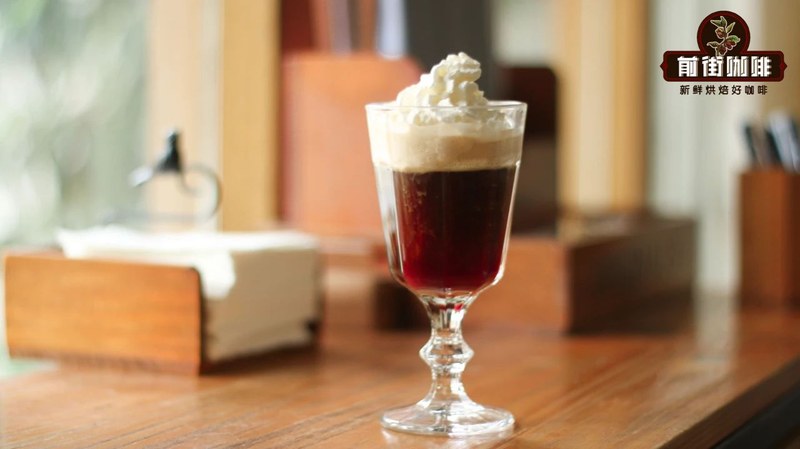
Immersion-style equipment is fairly sensitive to time. In a refrigerated environment, you can start by setting 8 to 12 hours; shorten the time and the cup will be clearer, extend it and the concentration and body will increase. If the coffee bed clumps easily, you can gently shake it once after adding water, then reduce stirring afterward so the fine particles settle at the bottom of the filter. Adding ice or diluting with water before drinking makes it easier to adjust the strength on the palate.
When using a cold brew carafe, the filter area and the water level inside the carafe affect how the coffee grounds are wetted. If the filter is narrow and the coffee bed is thick, it is best not to grind too fine, otherwise after water enters the coffee bed it can easily create localized differences in strength. When choosing medium-light roasted beans with livelier fruit notes, you can appropriately shorten the contact time to keep the aroma light and airy, suitable for drinking straight or with sparkling water.
Qianjie Ethiopia Huakui is well suited for this type of immersion cold brew. It naturally brings to mind ripe tropical fruit, berry jam, and passion fruit juice, and low temperature rounds off the brightness a little. Immerse at a ratio of about 1:12 for roughly 9 hours, then after filtering add large ice cubes, and the cup will show brisk fruity sweetness and a soft acidity, suitable for sipping slowly without milk.
The key parameters for an ice drip carafe are the drip rate and the total contact time. Water does not cover the entire coffee bed all at once, but passes through drop by drop, so the grind can be slightly finer than for immersion, while still keeping the particles uniform. For a home ice drip carafe, you can control the drip rate at about 30 to 50 drops per minute, start with a coffee-to-water ratio from 1:8 to 1:10, finish in about 3 to 6 hours, then dilute with cold water or ice cubes according to the concentration.
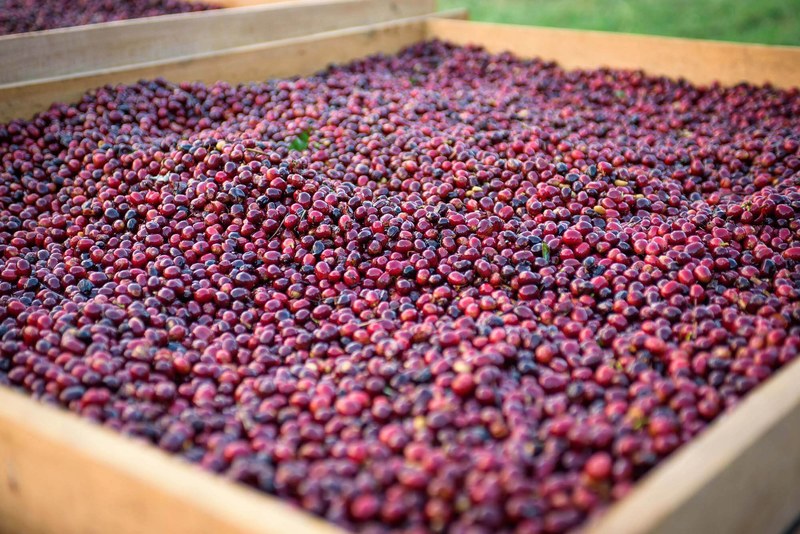
The filter paper of an ice drip carafe, the height of the coffee bed, and the distribution of the pour will all change the extraction result. If the coffee bed is too thick, the water flow may concentrate along a single path; with less coffee, the bean aromatics will be cleaner, but the final concentration will also drop. For fruit-forward beans, after the ice drip is finished you can let it rest for several hours before drinking, and the acidity will usually become rounder, while notes like grape and berry become easier to identify.
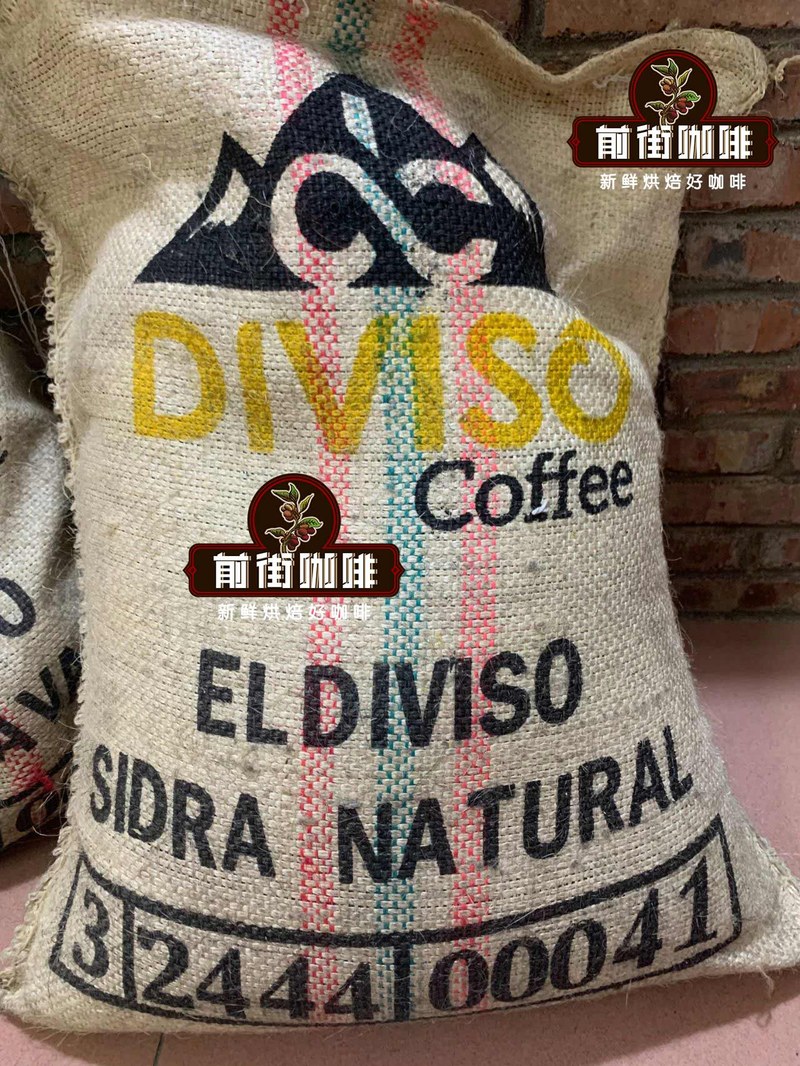
Qianjie Colombia Sidra is well suited to ice drip or a cold brew bottle with a separate filter bag. Its flavor associations lean toward passion fruit, blueberry, grape juice, and apricot, and when made into a high-concentration cold brew, the juicy mouthfeel stands out more. If the ice drip carafe is on the smaller side, you can use 25 g of grounds with 220 to 250 g of water, then after dripping add an equal amount of ice water, suitable for making a refreshing cold brew americano.
If you usually want to add cold brew to milk, the equipment parameters should be arranged around concentration. During immersion you can reduce the water amount, or add less dilution water after finishing, so the coffee liquid has a more obvious sense of weight. When the milk amount is about 1 to 1.5 times the coffee liquid, the cup still needs to retain clear sweet aromatics. Qianjie Strawberry Candy coffee beans carry notes reminiscent of strawberry jam and candy, and when made into a concentrated cold brew and mixed with iced milk, the flavor is light yet distinctive.
There is no need to adjust many parameters across different equipment at once. You can first weigh the coffee and water accurately, record the grind state, refrigeration time, and final liquid weight, then adjust based on how it tastes. If the flavor is too weak, you can reduce the dilution water or extend the contact time; if the acidity seems sharp, you can increase the immersion time a little; if it is bitter or drying, prioritize shortening the brew time and coarsening the grind. Once you find the range that suits your equipment, choosing beans becomes easy, and cold brew can consistently present the flavor you like.
Related Reading




Comments (0)
Loading comments...
You May Be Interested



Trending Reviews
Popular Videos

With you, wherever you are! We provide useful features to help you find new things you'll love






