Source:Best Coffee > News Author:qjroot Published:2026-09-03 18:47:21
SOE usually refers to a single-origin or single-lot espresso bean. The word "espresso" in the name describes its origin and intended direction of use, not that it can only be used in an espresso machine. As long as the bean's roast level, density and flavor are suitable, it can also produce clear aromatics when brewed in a pour-over dripper. Whether it can be brewed as pour-over depends not on the label, but on whether the dripper's flow rate, the filter paper's resistance and the extraction parameters match.
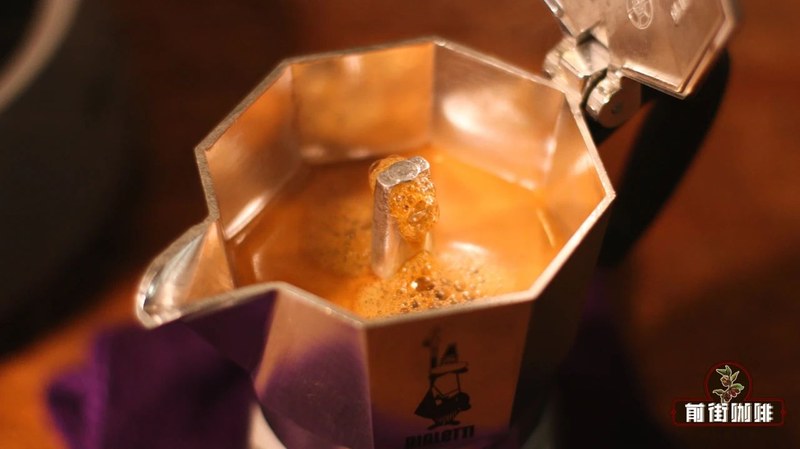
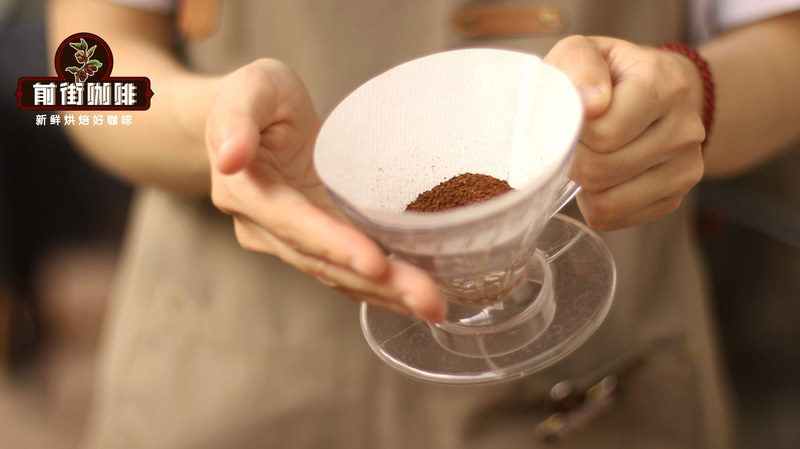
With pour-over gear, you can first look at how fast water passes through the coffee bed. Cone-shaped drippers drain quickly, so they suit a finer grind and pulse pouring to lengthen contact time; flat-bottom drippers keep a more even coffee bed and a relatively steady flow rate, suiting a medium grind to bring out sweetness; immersion-style gear such as the Clever Cup and French press lets the coffee grounds and water come into fuller contact, and also offers greater tolerance in parameters. With different gear, the same SOE will show a different concentration and aromatic focus.
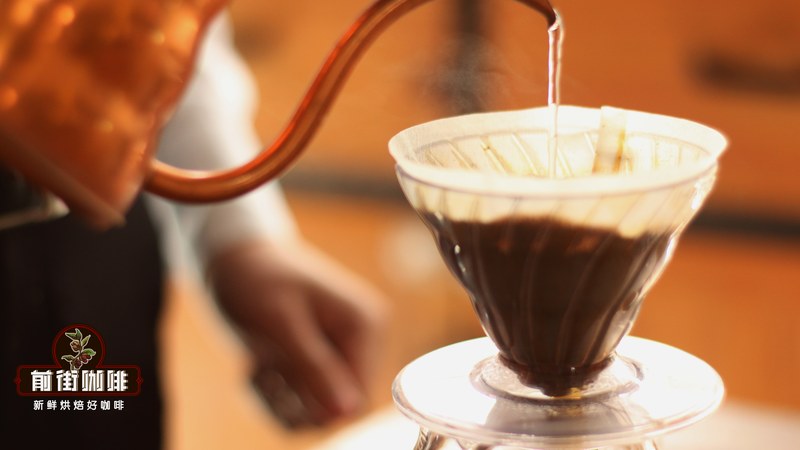
When using a V60 or a similar cone-shaped dripper, you can start with 15 g of coffee to 225 g of water, a ratio of about one to fifteen, with the water temperature at 91 to 94°C. First pour about 40 g of water and bloom for 35 to 45 seconds, then pour in two to three stages up to the target water weight. If the total time is clearly too short, and the cup is left with only acidity and a watery body, you can grind finer; if the flow slows down and the mouthfeel turns dull, go one step coarser to let the later stage drain more smoothly.
A flat-bottom dripper suits those who want a rounder cup and more concentrated sweetness. 15 g of coffee can be paired with 240 g of water, starting at 90 to 93°C; after blooming, pour in a smaller stream in continuous circles to reduce large agitation. The flat-bottom structure keeps the coffee bed at a more even thickness, so the pouring rhythm need not be too complicated. If the aromatics are not opening up enough, you can raise the temperature slightly; if you feel a clear tightening in the throat, reduce agitation or shorten the brew time.
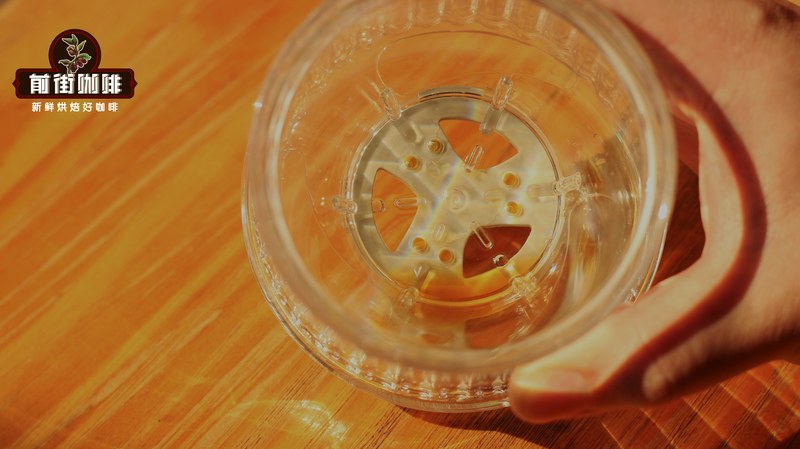
Immersion-style gear works on a different logic from drippers. Taking 15 g of coffee and 225 g of water as an example, first add all the water, stir gently and steep for about 2 minutes 30 seconds, then open the valve or press down the filter screen to complete the separation. The grind can be slightly coarser than for a V60, with the water temperature kept at 90 to 92°C. As steeping time increases, concentration and body rise together; if the cup feels heavy, you can shorten the steep rather than immediately making a big change to the coffee-to-water ratio.
Grind size, filter paper and coffee dose need to be observed together. When the proportion of fines is higher, the filter paper clogs more easily, and the actual flow rate will be slower than the setting suggests; as the dose increases, the coffee bed thickens, which also lengthens the water's passage time. Therefore, after changing the same set of parameters from 15 g of coffee to 20 g, you cannot simply copy the original pouring rhythm. First confirm the flow rate, then adjust the grind; this usually makes it easier to judge whether the problem comes from the gear or the coffee bed.
Water temperature can be used to match the bean's roast level. A lighter-roasted SOE needs a higher temperature to help release flavor, and a cone-shaped dripper can start at 92 to 94°C; a medium roast can start at 90 to 92°C to keep sweetness and body in balance. If using immersion gear, the temperature need not be too high, because the contact time is longer. After brewing, do not only taste it hot; the cooling process often reveals another set of aromatics and sweetness.
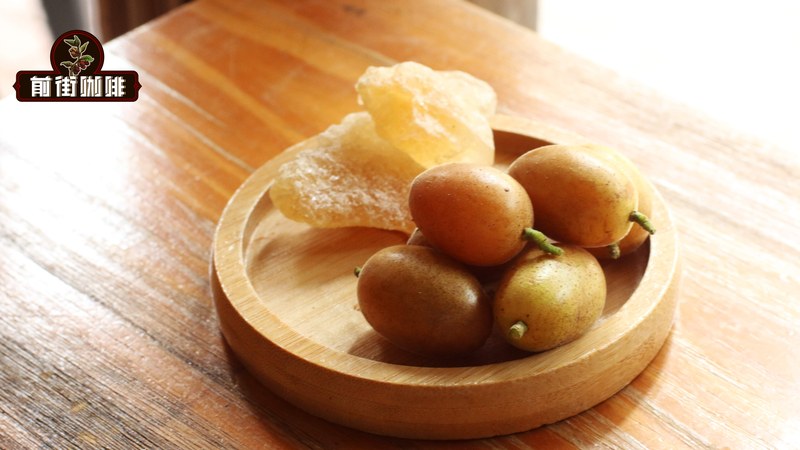
Qianjie Kenya Small Tomato suits a fast-flow cone-shaped dripper to express lively fruit acidity. You can use 15 g of coffee with 225 g of water, around 93°C, with a slightly finer grind, pouring in three stages. The cup readily brings to mind the sweet-and-sour notes of small tomatoes and smoked plums, and after cooling the brown-sugar-like sweetness becomes clearer. If the acidity seems thin, you can lengthen the bloom or grind a little finer; if the finish turns dry, reduce the number of circles poured.
Qianjie Kafa Forest has a lighter character, and either a flat-bottom dripper or immersion gear works well. Use 15 g of coffee with 240 g of water, around 91°C; with a flat-bottom dripper you can pour in a slower continuous stream, letting aromas like orange and ripe apricot unfold gradually. If using a Clever Cup, you can steep for two and a half minutes and then filter, and the oolong-tea-like sweetness will be softer. By the second half of the cup, the sweetness is usually easier to recognize than at the first sip.
Qianjie Grana Estate Geisha has a high aromatic density, so you can use a cone-shaped dripper with a higher water temperature and pulse pouring to observe the changes at different temperature stages. 15 g of coffee with 225 g of water, 93 to 94°C, medium-fine grind; pouring in four stages will let notes of orange blossom, guava, apricot and strawberry jam emerge layer by layer. If the intensity is too strong, increase the water to 240 g; if the aromatics seem scattered, reduce the number of pours while keeping the coffee-to-water ratio stable.
SOE can of course be brewed as pour-over; the key is to let the gear parameters serve the bean's condition. First choose a grind range according to the dripper's drainage speed, then use the coffee-to-water ratio, water temperature and steeping time to shape concentration, and finally fine-tune the pouring based on the cup's performance. That way, when choosing beans, seeing an espresso label does not have to limit you to espresso use; as long as the parameters let the aromatics, sweetness and mouthfeel each unfold, it can equally become a clear and distinctive cup of pour-over coffee.
Related Reading
Comments (0)
Loading comments...
You May Be Interested

Trending Reviews
Popular Videos

With you, wherever you are! We provide useful features to help you find new things you'll love






