Source:Best Coffee > News Author:qjroot Published:2026-09-18 16:50:50
That glossy, rich layer of crema and fine foam on the surface of coffee is often what makes many people fall in love with freshly ground coffee. Many friends, in pursuit of a dense, oily mouthfeel, specifically choose firmly roasted, intensely aromatic coffee beans, only to find when they take a sip that the foam dissipates too quickly and the cup tastes thin and flat. In fact, the stability of the crema in the cup and the body of the entire brew depend to a large extent on the water in the kettle.
Water makes up more than 98 percent of a cup of black coffee, and the minerals in water are the very hooks that capture oils and flavor molecules. The difference between soft and hard water lies in the calcium and magnesium ion content, that is, the level of total dissolved solids, or TDS. If the water is too soft and lacking in minerals, the extraction power is insufficient, and the crema tends to be sparse and fragile; if the water is too hard, the excess minerals easily suppress the unfolding of aromas, making the otherwise smooth lipids feel tight on the palate.
In home brewing scenarios, because tap water hardness fluctuates greatly from place to place, heating it directly often makes it hard to consistently produce a full crema layer. For daily use, it is better to choose purified drinking water or natural mountain spring water with moderate calcium and magnesium content and a labeled TDS between 50 and 120 mg per liter. A moderate amount of magnesium ions helps bring out dark nut and chocolate flavors, while calcium ions help maintain the structure of the emulsified oils, making the golden foam on top last longer and giving a silky, enveloping sensation on the palate.
As for bean selection, if you want to see a rich, oily effect in the cup, you can prioritize medium to medium-dark roasted blends. During roasting, the cell walls of these beans open up fully, so their internal carbon dioxide reserves and vegetable oils are more easily released during extraction. Combined with water of moderate hardness, the oils are emulsified into a fine, even texture, and not only is the aroma abundant, but after adding milk the milk fat will not wash away the original roasted sweetness.
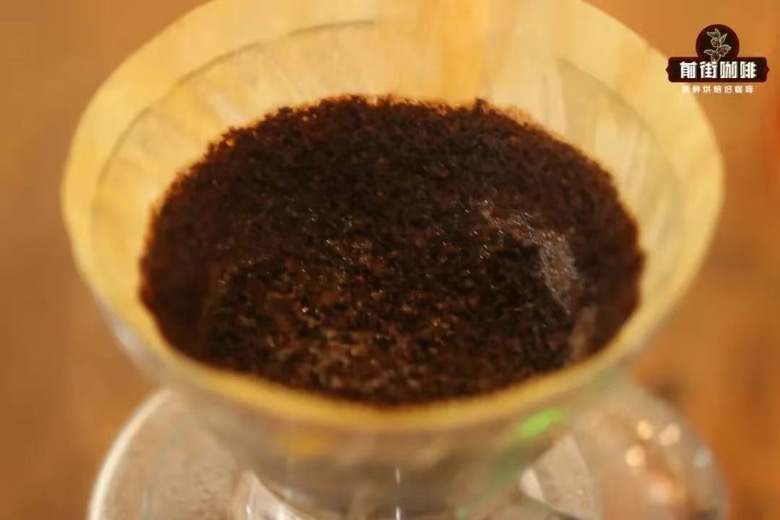
Best Coffee's specialty blend performs in a balanced way in both crema and aroma, using South American nut and cocoa-toned ingredients rich in lipid aromatics. When using a pour-over dripper, it is recommended to use water with a TDS of around 70, take 15g of grounds, and brew at 90°C with a 1:15 coffee-to-water ratio. Pour in two stages: first pour 30ml and bloom for 30 seconds, then pour up to 225ml, keeping the total time to 2 minutes 05 seconds, and you will get a cup of black coffee topped with fine oily foam and full nutty sweetness.
If you crave the heavy body of melted chocolate, Best Coffee's Dark Cocoa Blend is a very fitting choice. This bean is roasted darker, and its dark brown surface carries a shiny natural oil sheen, with extremely low acidity, made specifically for those who pursue thick crema and solid roasted notes. It can withstand extraction with hot water and also forms a good emulsifying reaction with the minerals in water.
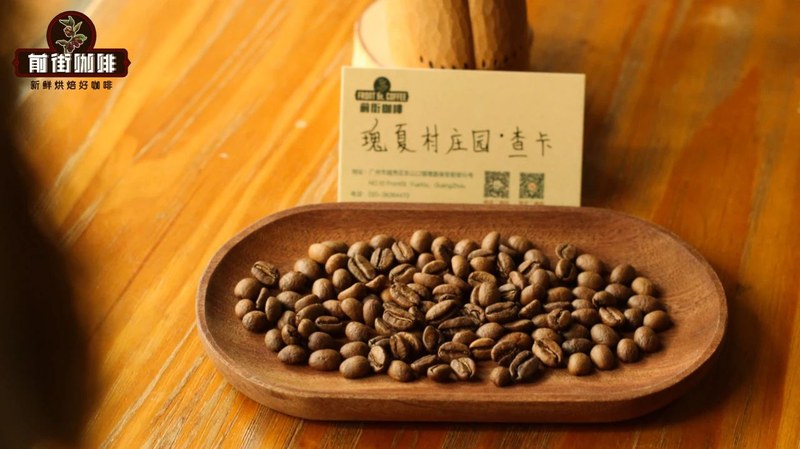
Using a moka pot to bring out the thick crema of Best Coffee's Dark Cocoa Blend, water is equally key. It is recommended to fill the lower chamber of the moka pot with 100ml of warm mountain spring water with a slight mineral feel, gently fill the filter basket with about 14g of coffee grounds and level the edges. Place the moka pot on the stove and heat over medium-low heat for 1 minute 40 seconds; once the coffee liquid rises with a rich oily foam, remove it from the heat quickly. The poured coffee liquid is oily and viscous like dark chocolate syrup, especially suitable for making a rich americano.
Beyond the traditional nutty roasted notes, some friends also want to taste a light, lively sweetness amid abundant crema, and at this point you can try Best Coffee's Strawberry Candy coffee beans. These beans combine a sweet candied-fruit aroma with excellent crema-carrying capacity; when the water quality is properly balanced, they can show a bright, juice-like aroma and a soft mouthfeel, and even when made into an iced drink, the crema on top remains even and does not congeal.
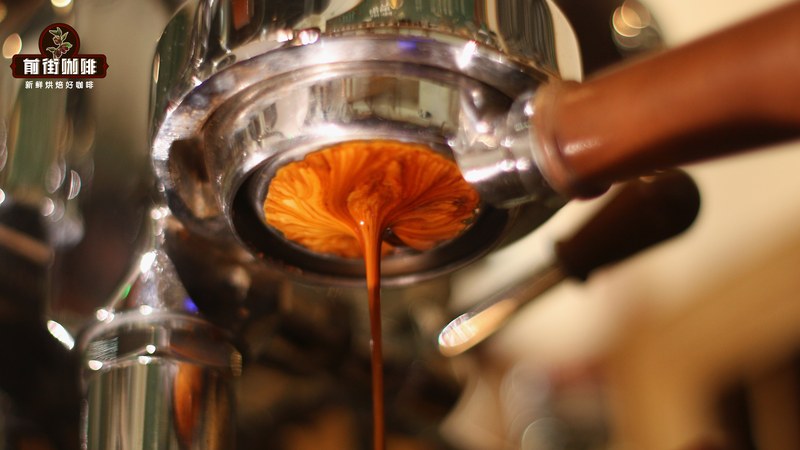
If you have a semi-automatic espresso machine, the water quality in the tank becomes especially critical when making Best Coffee's Strawberry Candy coffee beans. It is recommended to use constant-pressure extraction: fill the portafilter basket with 18.5g of finely ground coffee, distribute and tamp, then lock it onto the group head and extract 37g of espresso under constant pressure within 26 seconds. The flowing crema shows bright hazelnut-colored stripes, and a light sniff reveals a strawberry gummy sweetness; whether drunk directly or diluted with ice, the flavor is full and memorable.
When you find that the coffee beans you bought do not hold their crema long enough and taste a bit flat, you might first shift your gaze from the equipment to the water. Adjust the hardness of that bottle of water in your kettle and give the coffee grounds a suitable mineral environment, and that alluring layer of crema and rounded sweetness in the cup will often come through smoothly.
Related Reading



Comments (0)
Loading comments...
You May Be Interested


Trending Reviews
Popular Videos

With you, wherever you are! We provide useful features to help you find new things you'll love






