Source:Best Coffee > News Author:qjroot Published:2026-09-07 13:47:18
Honey-processed beans often have a very distinctive sweetness, but it does not automatically show up once you take them home. In pour-over, water temperature, coffee-to-water ratio and pouring force change the balance between fruit aroma and sweetness; in an espresso machine, pressure, grind and yield determine whether the shot is bright, round or dry. When choosing beans, it is worth considering the equipment you plan to use as well.
If you mainly brew pour-over, you can give priority to honey-processed beans with floral and fruity notes, citrus or tea-like character, then open up the aroma with medium-high water temperature. For home brewing, start with 15 g coffee and 240 g water, a ratio of about 1:16, water temperature set at 91 to 93°C, pouring in two to three stages, with total extraction time controlled at about two and a half to three minutes, making it easier to observe the bean's true direction.
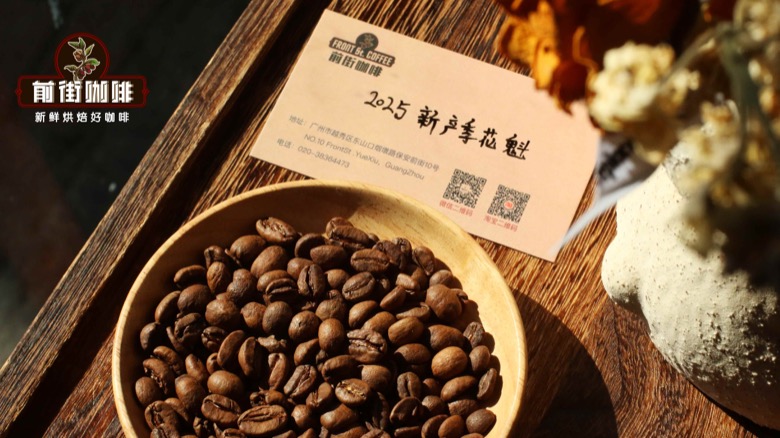
Qianjie Ethiopia Huakui is suited to a lighter technique. Use 15 g coffee with 250 g water, water temperature 92°C, medium-fine grind, first pour 45 g water and bloom for 40 seconds, then pour the rest in two stages. If the tropical fruit and berry aromas in the cup are not clear enough, you can grind slightly finer; if astringency appears in the finish, reduce agitation, or lower the water temperature to 90 to 91°C.
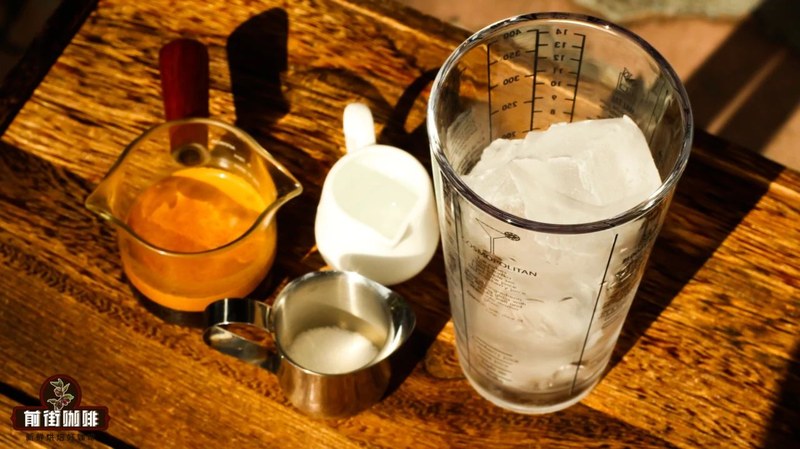
This bean also works well for iced pour-over. The dose can be increased to 18 g, with a total of 270 g water, of which about 70 g is caught by ice, while 200 g hot water is poured in stages, keeping the water temperature at 91 to 92°C. The ice lowers the overall temperature, making the fruit aroma more concentrated; if the entry feels thin, you can tighten the coffee-to-water ratio to 1:14.5, or grind slightly finer.
Qianjie Kenya Little Tomato has livelier acidity and suits a higher extraction efficiency in exchange for complete sweetness. Use 15 g coffee with 225 g water, water temperature 93°C, grind slightly finer than a regular pour-over, bloom for 35 seconds, then pour in three stages. If the cup has only sharp acidity, you can extend the total time by ten to fifteen seconds; if the sweetness like smoked plum and brown sugar is already obvious but accompanied by a dry mouthfeel, reduce the amount of water in the final stage.
Qianjie Kaffa Forest's orange, apricot and tea notes suit a softer stream and slightly lower agitation. You can use 15 g coffee, 240 g water and 91°C water temperature, medium grind, pouring in small circles around the center. Just after brewing, the aroma is clear and bright, and after it cools, the sweetness becomes more prominent, so do not judge whether it suits your taste only from the hot sip.
Pour-over adjustments can revolve around what is in the cup, rather than mechanically chasing a certain time. When the taste is hollow and the acidity is harsh, it usually means insufficient soluble release, so you can grind one step finer or raise the temperature by one degree Celsius; when bitterness is heavy and the finish loses cleanliness, try grinding coarser, lowering the water temperature or reducing the later pours. Change only one parameter at a time, and the differences will be easier to identify.

For espresso, the fruit aroma of honey-processed beans is amplified by the high concentration, and the sweetness may also become more concentrated. For a home double basket, you can start with 18 g coffee and 36 g yield, with a target time of about 25 to 32 seconds, keeping pressure at eight to nine bar. Light-medium roasted beans usually need a finer grind and slightly higher water temperature; if the flow is too fast, first adjust the grind finer, and there is no need to immediately increase pressure.
When making espresso with Qianjie Ethiopia Huakui, you can tighten the ratio to 1:1.8, for example extracting 32 g liquid from 18 g coffee, so that the berry and tropical fruit retain more density. If the acidity is sharp and the liquid spreads out, grind finer and extend the time by a few seconds; if bitterness takes over the aroma, widen the yield to 36 to 38 g, or lower the water temperature by one to two degrees Celsius.
For espresso, Qianjie Kenya Little Tomato is suited to a short-ratio shot or an americano with a small amount of sparkling water. 18 g coffee and 32 to 34 g yield can preserve the bright, tomato-juice-like character; if you want the smoked plum and sugar notes to be more complete, you can set the pressure at around eight bar and use a slightly slower flow rate. When making milk coffee, it is recommended to increase the density of the yield, to avoid milk covering the fruit acidity and sweet aroma.
When the same honey-processed bean moves from pour-over to espresso, there is no need to copy the original parameters. Pour-over values aroma diffusion, while espresso needs the puck to release enough sweetness in a short time, so grind, coffee-to-liquid ratio and pressure all need to be re-established. Record the dose, yield, time and taste impression of each extraction, and after a few rounds, you will find the combination that best suits your equipment and taste.
Related Reading


Comments (0)
Loading comments...
You May Be Interested



Trending Reviews
Popular Videos

With you, wherever you are! We provide useful features to help you find new things you'll love






