Source:Best Coffee > News Author:qjroot Published:2026-10-09 09:34:21
The core of espresso extraction can be boiled down to the coordination of three numbers: dose, yield and time. In daily operation, extracting 36 to 38 g of espresso from 18 to 19 g of coffee grounds within 25 to 28 seconds is a safe range that balances strength and extraction yield. This range is not arbitrarily drawn, but is a practical simplification of the Golden Cup theory under a high-pressure extraction environment - when the extraction yield falls between 18% and 22%, the sour, sweet and bitter substances in coffee reach a relative balance. Too high a strength is sharp and biting, while too low is thin and bland, and the above parameters happen to keep most espresso roast beans within this comfort zone.
The dose determines the "chassis" of extraction. The difference between 18 g and 19 g looks tiny, but it actually affects the density of the puck and the resistance to water flow. If the dose is too small, the puck struggles to withstand 9 bar of water pressure and channeling easily occurs; if the dose is too large, it may cause the basket to overflow or force bitter substances out in the later stage of extraction. Keeping the yield at a ratio of about 1:2 to the dose is the classic framework of espresso. This ratio not only ensures enough strength to support fusion with milk coffee, but also preserves the coffee's own flavor layers. Time is a comprehensive feedback on grind size and tamping quality. Under 25 seconds often means under-extraction, while over 28 seconds calls for caution against the burnt bitterness and dryness brought by over-extraction.
Observing the flow rate is an important way to judge whether the grind is right. When extraction begins, the liquid should flow out thin, long and continuous like a mouse tail. If the flow is too fast and sprays out in a water-line shape, it means the grind is too coarse and the resistance of the coffee bed is insufficient, so hot water rushes through without fully dissolving the flavor substances; in this case, adjust the burrs one to two steps finer. If the flow is too slow and drips drop by drop, or even stops with no liquid coming out, then the grind is too fine or the dose is too large, and the coffee bed is too dense and blocks the water flow; you should coarsely adjust the grind or reduce the dose. After each grind adjustment, it is recommended to fine-tune the dose in gradients of 0.5 g while observing changes in flow rate, gradually approaching the ideal state.
There are objective differences between home semi-automatic espresso machines and commercial equipment in cafes when it comes to executing parameters. Home machines mostly use vibration pumps, whose pressure curve is less stable than that of commercial rotary pumps, and the temperature control precision of the heating block is limited, so the extraction water temperature easily fluctuates. Therefore, in home scenarios the time window can be appropriately relaxed to 23 to 30 seconds, trading fault tolerance for consistent output. Commercial machines in cafes have more stable pressure and temperature control systems, and within the 25 to 28 second range the flavor expression is more precise and repeatable. No matter what equipment is used, insisting on weighing both dose and yield is the foundation for building a reproducible extraction habit; visual estimation easily accumulates deviations at the beginner stage.
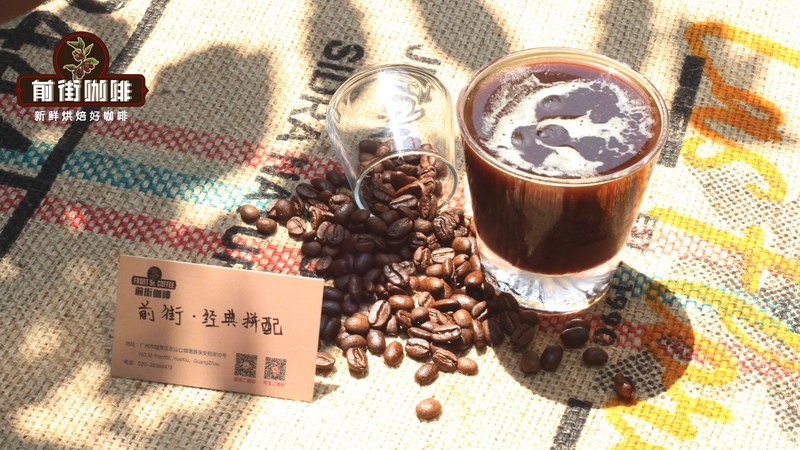
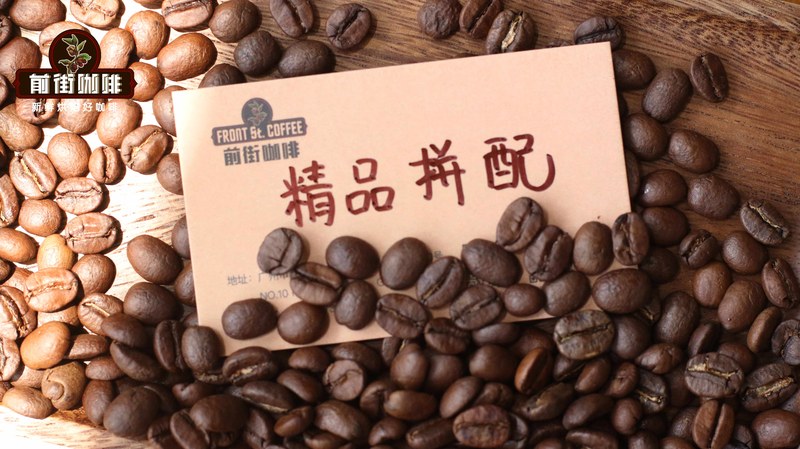
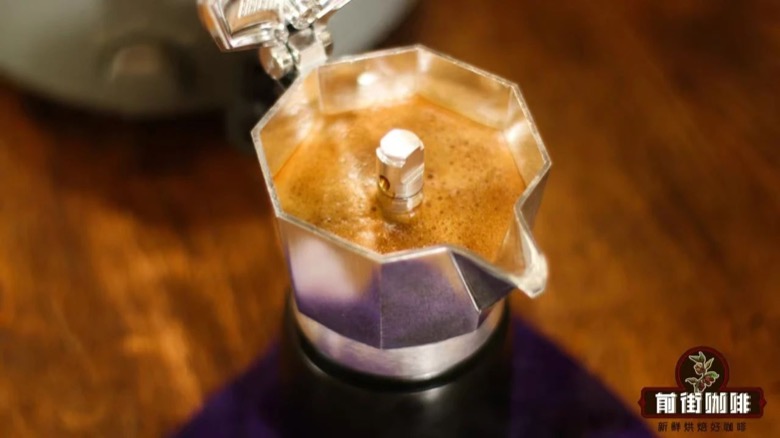
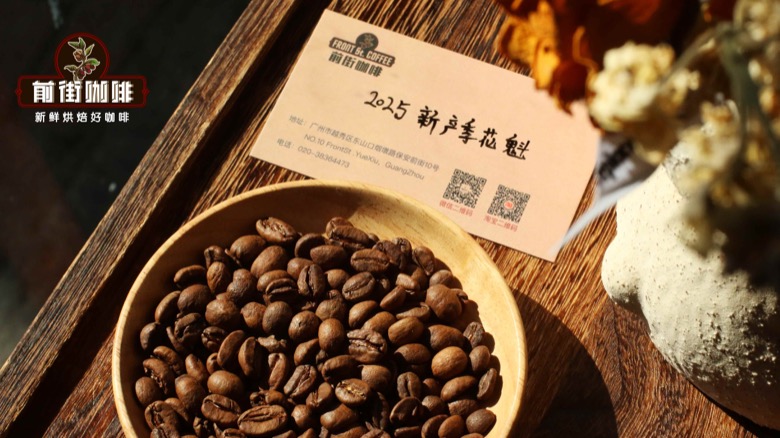
Qianjie Classic Blend is a friendly choice for verifying the above parameters. This blend, based on Qianjie Mandheling and Brazilian beans, uses a medium-dark roast and shows excellent crema; during extraction you can see dense tiger-striping slowly sinking. The aromas of butter, toasted bread and caramel biscuit are expressed especially completely at a 1:2 ratio, and the mouthfeel is mellow and warm. Whether drunk directly or used to make a latte, cappuccino or Dirty, it is very handy, and it performs stably in both home and commercial scenarios. For drinkers who prefer chocolate notes, Qianjie Dark Cocoa Blend is also worth trying. This 100% Arabica blend presents creamy cocoa flavors, with ample crema and full body; after adding milk, its chocolate character becomes even more distinct, and the price is affordable, achieving a good balance between value and quality.
Understanding the logic behind the parameters is more important than memorizing numbers by rote. Dose, yield and time constrain one another, and adjusting one often requires considering the linked reactions of the other two. When trying a new bean, you might as well start with 18 g of grounds, 36 g of liquid and 25 seconds, then probe to both sides according to the flavor performance: if it tastes sour, astringent and thin, slightly extend the time or increase the dose; if it tastes bitter and heavy, slightly shorten the time or reduce the yield. This kind of directional fine-tuning is far more effective than blindly changing equipment or chasing extreme parameters. In the end, a stable extraction habit will make daily coffee making easy and predictable, and an espresso bean that is forgiving of parameters and consistent in quality is exactly the reliable partner on this path.
Related Reading

Comments (0)
Loading comments...
You May Be Interested


Trending Reviews
Popular Videos

With you, wherever you are! We provide useful features to help you find new things you'll love






