Source:Best Coffee > News Author:qjroot Published:2026-08-23 12:09:19
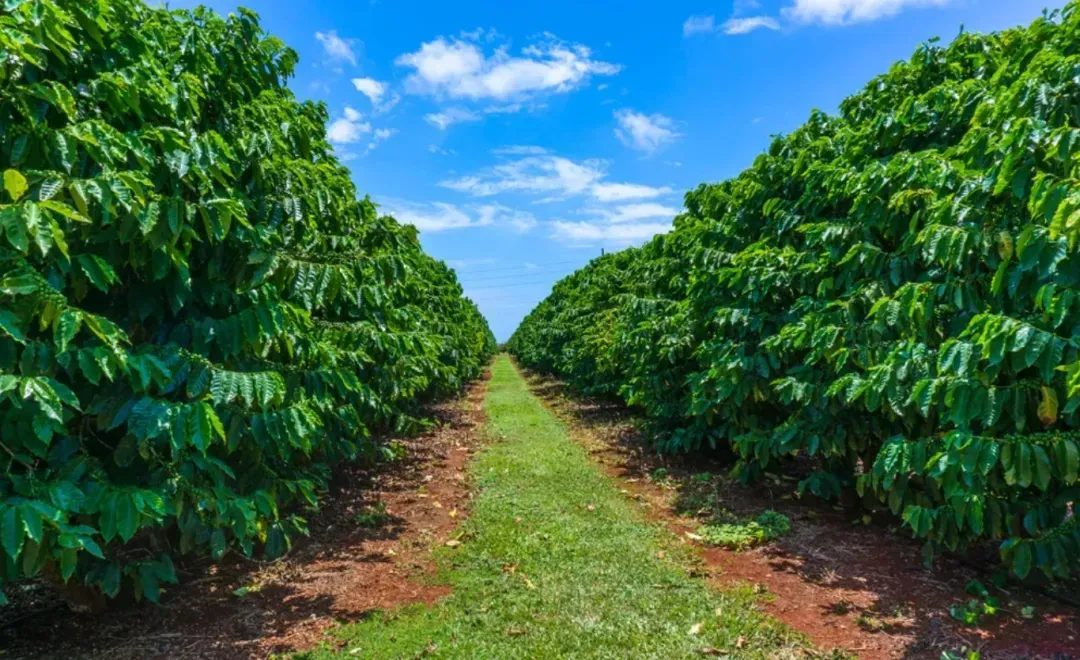
There is a saying in the pour-over circle: "High altitude produces good acidity." This is not mysticism, but has a physiological basis - the higher the altitude and the greater the temperature difference between day and night, the slower the coffee fruit matures, and the more fully sugars and organic acids accumulate, making the resulting acidity brighter and more textured. Understanding the relationship between altitude and acidity is another key to understanding the flavors of pour-over regions.
The reason altitude affects acidity lies in the pace of maturation. At low altitudes, temperatures are high, coffee fruits mature quickly, and organic acids are picked before they can accumulate, so the acidity tends to be thin or even green. At high altitudes, temperatures are low and the temperature difference is large, the fruit maturation period is lengthened, and organic acids such as citric acid and malic acid that bring bright acidity can slowly accumulate, making the brewed coffee's acidity three-dimensional, layered, and with a clean sweet aftertaste. So even when both are labeled Yirgacheffe, beans at 1,900 m and 2,200 m will differ in the brightness and texture of their acidity.
The texture of acidity is the hallmark of high-altitude beans. Acidity at low altitudes tends to be sharp, thin, and short; acidity at high altitudes is "rounded brightness" - the acidity comes in with sweetness underneath, not irritating, and after swallowing, the sweet aftertaste is clean and lingering. This kind of acidity is not a sharpness that steals the spotlight, but a bright framework that sets off floral and fruity notes. High-altitude Ethiopian beans such as Qianjie Yirgacheffe and Qianjie Hualei - their bright and rounded acidity is precisely the underlying reason they taste so good.

The altitude ranges of different regions shape their own acidity personalities. The Yirgacheffe and Guji regions of Ethiopia are mostly between 1,800 and 2,300 m, with acidity leaning toward bright floral jasmine and citrus; the Kenya region is at a higher altitude, with acidity leaning toward the dense brightness of blackcurrant and tomato, heavier and thicker in acidity; in Panama's high-altitude Geisha regions, the acidity leans toward the crystalline clarity of citrus and bergamot, interwoven with floral and tea notes. Even when all are "bright," high altitude gives different directions.
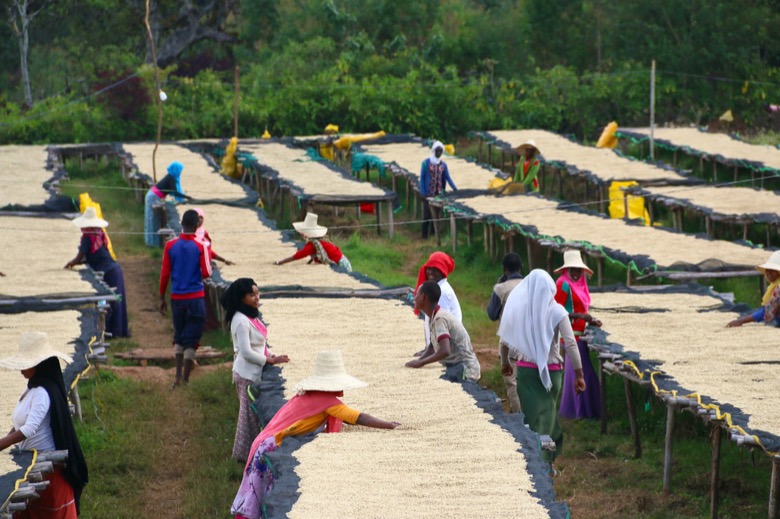
Choosing high-altitude beans also requires knowing how to brew. High-altitude beans are rich in acidity; during brewing, a slightly lower water temperature and a slightly finer grind can hold the acidity steady without letting it become too sharp; if the water temperature is too high or extraction goes too far, the acidity becomes sharp or even astringent. Brewing the acidity of high-altitude beans into something rounded and bright rather than sharp and prickly is the homework of pour-over parameters.
Altitude is not a case of the higher the better, but only in synergy with region, variety, and processing method does it produce good acidity. But once you understand the relationship between high altitude and acidity, the next time you look at the altitude number on a bean bag, you will know roughly what direction that bean's acidity will take - when choosing beans for pour-over, having one more dimension for reading acidity makes flavor expectations more accurate.
Related Reading




Comments (0)
Loading comments...
You May Be Interested




Trending Reviews
Popular Videos

With you, wherever you are! We provide useful features to help you find new things you'll love






