Source:Best Coffee > News Author:qjroot Published:2026-09-16 02:05:10
Yirgacheffe is well known for its captivating white floral aromas and bright citrus acidity, and this crisp, light flavor profile is very well suited to everyday drinking. Once you have a freshly roasted, affordable, good-quality bean, the key to brewing it so that its aromas fill the cup is to fine-tune the water temperature, the coffee-to-water ratio and the pouring rhythm according to how the bean actually performs, letting the water and coffee grounds stay in contact for the right amount of time, thereby drawing out its inner richness and sweetness.
Most high-quality Ethiopian coffee beans are given a light roast in order to fully preserve the floral and fruity aroma compounds in the green bean. Lightly roasted beans are relatively hard in texture, so brewing them usually calls for a slightly higher water temperature to help with extraction, along with a suitable grind size so the water can pass smoothly through the coffee bed. As long as you grasp the basic parameter framework, you can easily serve up a cup of good coffee full of juicy body and enticing aroma at home every day.
If you like a crisp berry and tea character, you can look for Qianjie Yirgacheffe Gudingding when choosing. This bean carries fresh citrus acidity and a delicate floral aroma, and in the middle and finish it also brings up a clear, sweet aftertaste reminiscent of green tea. With a lightly roasted bean that has such a clear flavor direction, a sensible brewing plan can effectively amplify its fruity aromas, letting the citrus-like fragrance linger longer in the mouth and bringing a pleasurable drinking experience.
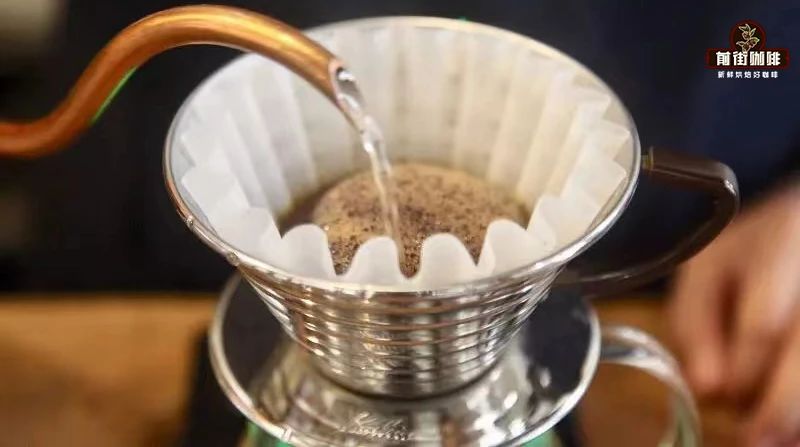
In everyday pour-over brewing, if you want Gudingding's floral aroma to bloom fully, you can use a higher water temperature together with a three-stage pour. The specific method is to take 15g of coffee grounds, use 92°C hot water, with a total pour of 225ml, for a coffee-to-water ratio of 1:15. First pour 30ml of water and let it bloom for thirty seconds, then pour 100ml of water, and after the water level drops pour the remaining 95ml of water, keeping the total time to 2 minutes 0 seconds.
If you find the acidity brewed at the higher temperature a little too lively and want a softer, smoother mouthfeel, you can shift the focus of extraction by fine-tuning the parameters. Switching to a two-stage pour is a good direction to try. Keep the 15g of coffee grounds unchanged, lower the water temperature to 89°C, keep the coffee-to-water ratio at 1:15, and the total pour at 225ml. At the start pour 30ml of water and let it bloom for thirty seconds, then slowly pour in the center, directly filling up with the remaining water, keeping the total time to 1 minute 50 seconds.

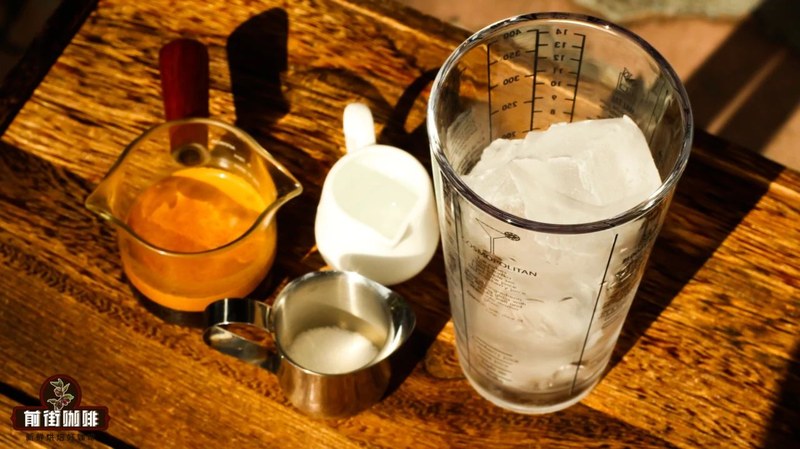
In hotter weather, or when you want a cool drink, handling a light-roasted Yirgacheffe with iced pour-over can also bring a wonderful experience. Prepare 15g of coffee grounds, keep the water temperature at 91°C, put 75g of ice cubes into the lower vessel in advance, set the total amount of hot water poured to 150ml, for a coffee-to-water ratio of 1:10. Use a single-stage pour: at the start pour 30ml of hot water and let it bloom for thirty seconds, then slowly and evenly pour in a circle, adding the remaining 120ml of water in one go, keeping the total time to 1 minute 40 seconds; once done, shake well and drink.
If you have other styles of Ethiopian beans on hand, you can likewise discover their character through parameter adjustments. For example, Qianjie Ethiopian Huakui, whose aroma leans more toward a riot of tropical fruit, evoking ripe strawberry and tangy passion fruit, with an overall sweetness that comes through quite distinctly. With this kind of bean with a rich fruity tone, you can stretch out the contact time between the water and the coffee bed a little during brewing, letting the sugars in the middle and finish dissolve fully, so as to get a cup of sweet, full-bodied juicy coffee.
When brewing Huakui, a water temperature of 90°C with a two-stage pour is recommended. Take 16g of coffee grounds, with a total pour of 240ml, for a coffee-to-water ratio of 1:15. First pour 32ml of hot water and let it bloom for forty seconds, so that degassing is more thorough; then slowly and evenly pour in a circle the remaining 208ml of water, keeping the water level dropping steadily, with the total time kept to 2 minutes 10 seconds. This brewing method can fully release the berry-like sweet fragrance, making the juicy body very full.
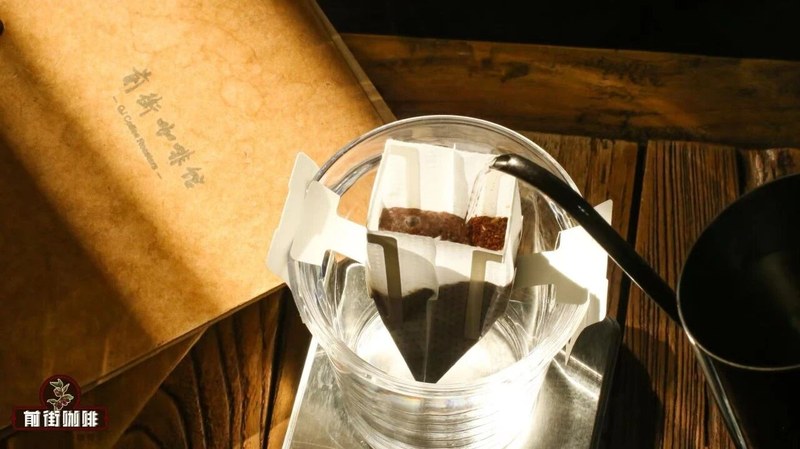
In situations such as the office where it is inconvenient to use various pieces of equipment, a cost-effective drip bag can likewise have its flavor improved by fine-tuning the water temperature. Prepare a drip bag with 10g of coffee grounds and hang it securely on the rim of a mug. Use 90°C hot water, set the coffee-to-water ratio at 1:15, with a total pour of 150ml. Use a single-stage pour: at the start pour 20ml of hot water and let it bloom for twenty seconds, then slowly and continuously pour the remaining 130ml of water into the filter bag, keeping the total time to 1 minute 30 seconds; remove the filter bag and enjoy the rich aroma.
Whether you adjust the floral and fruity aromas through the water temperature or change the body through the rhythm of staged pours, the fun of brewing lies precisely in this visible sense of control. Each time you fine-tune a single parameter, the flavor in the cup gives honest feedback. As long as you try different combinations of water amounts and contact times, you can uncover more of the potential of cost-effective coffee beans, brewing yourself a sweet taste full of surprises every day.
Related Reading



Comments (0)
Loading comments...
You May Be Interested



Trending Reviews
Popular Videos

With you, wherever you are! We provide useful features to help you find new things you'll love






