Source:Best Coffee > News Author:qjroot Published:2025-11-13 18:00:00

Coffee matters to Brazil just as tea matters to us. Brazil is located on the South American continent, and the coffee it produces each year accounts for about 30% of the country's output, making it the world's number one coffee. The taste profile of Brazilian coffee is mainly low acidity, nutty flavors, balance and moderate body. Just like this Brazilian Red Fruit coffee from Qianjie's daily bean series, it has a rich flavor of nuts, chocolate and cream.

We know that historically Brazil was a Portuguese colony for a long time, so in order to meet the needs of Western Europe, it long grew a single crop, coffee, and therefore coffee can be seen as the backbone of Brazil's economy. Before this, the Brazilian government placed great emphasis on the coffee industry and had always strictly monitored Brazilian coffee; this interference also carried price protection measures, which was to avoid overproduction of coffee. After the free market opened up, Brazilian associations adopted a policy toward coffee-producing regions that was the opposite of before, that is, pursuing a non-intervention policy and allowing producers and exporters to negotiate directly.
Brazilian coffee was introduced from French Guiana in 1729. The varieties grown in Brazil include both Arabica coffee and Robusta coffee. Brazilian coffee beans are favored for their excellent quality, rich aroma and full-bodied taste. Brazil currently mainly grows the main varieties Red Bourbon, Yellow Bourbon, Mundo Novo and Catuai. Yellow Catuai comes from a cross between Mundo Novo and Caturra, and was first developed by Brazil's agricultural research institute. Like Red Catuai, Yellow Catuai has extremely high disease resistance and is suitable for planting in high-altitude regions. Both varieties have a delicate and clean acidity.
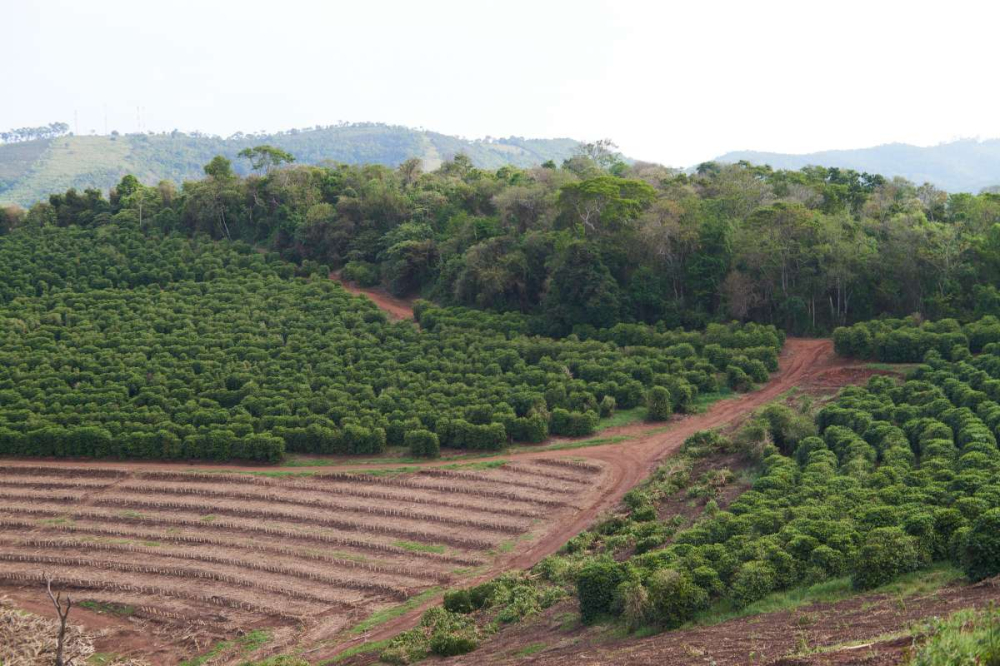
These other varieties have often been mentioned in other Qianjie articles, but Mundo Novo may be less familiar. In fact, Mundo Novo is a natural cross between Bourbon and Typica, first discovered in 1943 in Sao Paulo, Brazil, and first planted in the city of Mundo Novo, which is now Urupes.
The yield of Brazilian coffee beans is very high. Its main coffee-growing regions are Minas Gerais, Sao Paulo, Bahia and Espirito Santo. These four places account for 90% of Brazil's national output. Mogiana comes from Sao Paulo, and Cerrado and South Minas in Minas Gerais are located at high altitude, so the coffee from these two regions is mostly specialty coffee. The coffee bean output of these regions determines how much Brazilian coffee beans are produced. Next, Qianjie will briefly introduce these three major coffee-producing regions.

South Minas owes a large part of its ability to become a specialty coffee-producing region to its terrain and climate. Its altitude is above 1,100 m, and its landforms are varied. With distinct dry and wet seasons, large day-night temperature differences and diverse microclimates, it is very suitable for growing Bourbon and Yellow Bourbon varieties.
Fazenda Sertao is located in the South Minas region. This estate uses only organic matter to provide plant nutrition, in order to maintain the vitality of the land itself. The coffee of Fazenda Sertao is completely different from that of general large Brazilian estates: it does not use machines to replace human labor, from the harvesting of coffee cherries to processing. It is done entirely by hand.
As for the Cerrado region, what is most famous is that there is a stretch of Cerrado savanna, where coffee trees are planted, and the coffee produced there is called Cerrado coffee. But not just any coffee produced on the Cerrado savanna can be called Cerrado coffee. According to what Qianjie has learned, only coffee at altitudes of 1,100-1,300 m qualifies. Qianjie believes that the coffee from this producing region has a full-bodied flavor and no earthy mustiness.
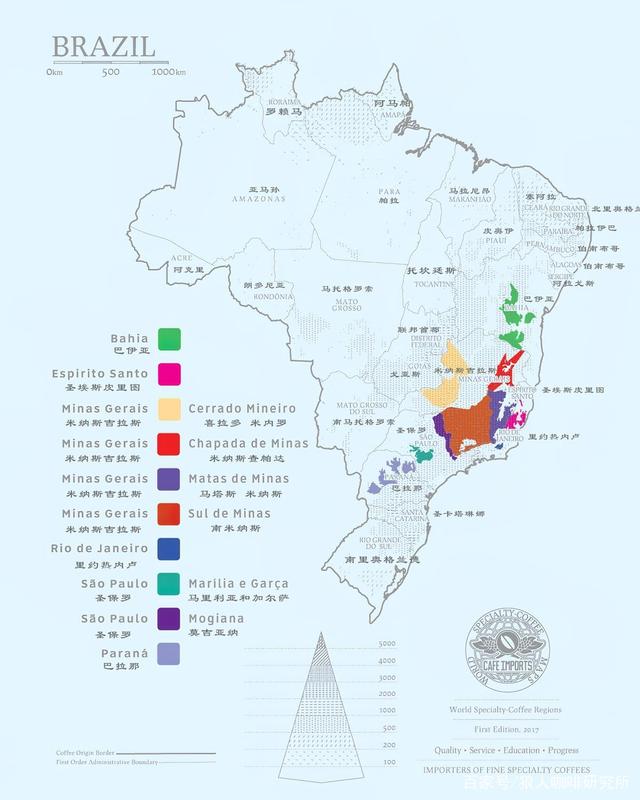
Brazil's century-old coffee estate Fazenda Baixadao is located in the Cerrado producing region. It is a coffee-producing region in Brazil that has obtained origin status, similar to its status as a famous wine-producing region. Fazenda Baixadao has excellent volcanic soil, a balanced dry and wet season climate, high-altitude terrain, and sufficient rain and sunshine.
Mogiana is relatively close to southern Minas. The quality of coffee beans in this area is also very good. Qianjie believes that, besides terrain and climate, it may also be related to the business model they adopt. That is, they use both the traditional large-farm business model and a small-scale modern operating model. High-tech planting equipment makes the coffee beans in this region relatively high in sweetness, resembling the clean sweetness of sucrose.
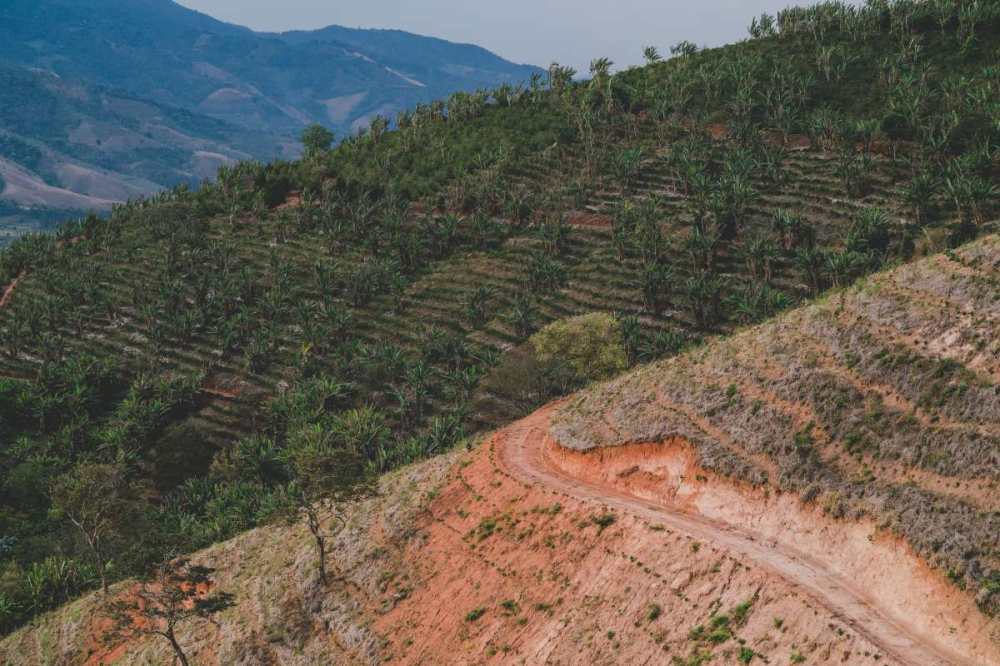
The famous Brazil Queen's Estate is located in this producing region. The Queen's Estate sits at a relatively high elevation, and its environmental protection is very good. It mainly uses machinery for harvesting, yet the Brazil Queen coffee cherries are picked entirely by hand, and low-yield, high-quality Bourbon is planted. As the estate representing the essence of Brazil's high-quality coffee, the quality of Brazil Queen's Estate coffee beans has received unanimous praise.
Front Street also learned that the Brazilian way of drinking coffee is very distinctive. Brazilians use a very small coffee cup to hold very hot coffee, and they very much like to add a lot of sugar to their coffee to boost its sweetness and flavor. Brazilians also like to combine coffee with alcohol; for example, Pus Coffee is one of the cocktails rather popular among Brazilians, with a taste carrying tropical fruit flavors as well as the unique flavor of Brazilian coffee, and a very perfect mouthfeel.

In the taste of Brazilian coffee there is lower acidity along with the coffee's own bittersweetness; it is extremely smooth on entry and carries a faint grassy aroma. In fact, Front Street believes that this Brazilian coffee flavor merely has the flavor that ordinary coffee ought to have, with nothing particularly outstanding about it. But mass-market coffee also has a very large market, because Brazilian coffee can satisfy most people's coffee needs, and this is also the reason why Brazil's coffee production is so large.
Brazilian coffee has another special feature, namely the creation of a semi-washed method. Front Street checked the materials and found that Brazil's coffee tree planting terrain is mainly of two types: one is the Brazilian plateau above 200 m in elevation, and the other is the Brazilian plain below 200 m. Coupled with the lower elevation and abundant sunshine, the planted coffee trees are generally exposed directly to the air. Front Street believes that this sun-exposure method played a great role in forming Brazil's unique flavor.

Brazil has not always used the semi-washed method. At the beginning, because Brazil had a great variety of coffee, classification was based on the producing state name and the shipping port, but as the producing areas were rather scattered and quality was uneven, Brazil's grading system became more complex than those of other countries. At first Brazil basically used the natural (dry) process. We all know that Brazil's climate is relatively dry, so using the natural process was entirely reasonable, but the natural process is rather rough, which easily causes Brazilian beans to pick up a woody taste; when rainy days come, one also has to risk the coffee beans going moldy, which is rather passive. So Brazil created a processing method called semi-washed. This processing method greatly shortens the sun-drying time. Now, let everyone follow Front Street to roughly understand the basic flow of the semi-washed processing method.
First, the skin and pulp of the coffee cherries are removed. Ripe pulp is easy to remove, while the skin of unripe green cherries is not easy to handle, so a second screening is carried out to unify the ripeness of the coffee fruit. Semi-washed processing can control the degree of fermentation of the mucilage-bearing beans after skin and pulp removal. With the traditional method, one cannot see the degree of mucilage fermentation. The semi-washed method does not have the "tank fermentation, clean-water rinsing" process of tank processing; without this fermentation step, the flavor of the coffee beans is completely different. Compared with natural (dry) processing, Front Street approves of this processing method more; coffee beans selected and processed this way can greatly improve cleanliness and ripeness. For instance, the Brazil Queen's Estate that Front Street got hold of adopts this semi-washed processing method. Front Street also cupped Brazilian coffee beans from different producing regions, and unanimously concluded that Brazilian coffee beans have lower acidity, a rather heavy nutty taste, and a full-bodied mouthfeel.

Here we will briefly get to know a few of Front Street's Brazilian beans.
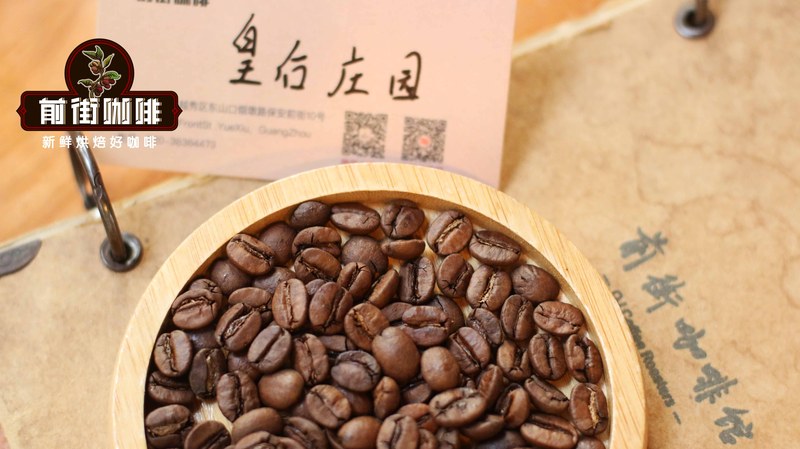
1. FrontStreet Coffee Brazil Red Fruit Coffee Beans
Origin: Cerrado
Variety: Red Bourbon
Altitude: 700-1200 m
Processing method: semi-washed
Flavor: high sweetness, clean, smooth, low acidity, with tropical fruit aroma.

2. FrontStreet Coffee Queen's Estate Yellow Bourbon Coffee Beans
Producing region: Mogiana, Sao Paulo State
Altitude: 1400-1950 m
Variety: Yellow Bourbon
Processing method: after hand-picking, semi-washed processing.
Flavor description: the taste carries obvious sweetness, accompanied by a faint lemon aroma, contains a rich nutty flavor, and the finish shows a noticeable dark chocolate note; the overall impression is rather round.

How should Brazilian coffee beans be brewed to taste good? FrontStreet uses this Yellow Bourbon coffee bean from Queen Farm as a demonstration; it is one of the more popular coffee beans on FrontStreet's bean list. FrontStreet uses a medium roast for this coffee bean, highlighting the coffee's sucrose sweetness. If you want to taste a better coffee flavor, FrontStreet suggests brewing with freshly roasted coffee beans; generally, the flavor is at its best around the 7th day after fresh roasting. Friends who regularly buy FrontStreet Coffee beans know that the coffee beans FrontStreet sends out are all roasted within 5 days, so adding shipping time, this basically ensures that the coffee reaches customers in its best condition.
For the pour-over parameters, FrontStreet recommends using 15g of coffee grounds, a 1:15 coffee-to-water ratio, a medium-coarse grind, a 75% pass rate through a No. 20 sieve, and a water temperature of 88°C.
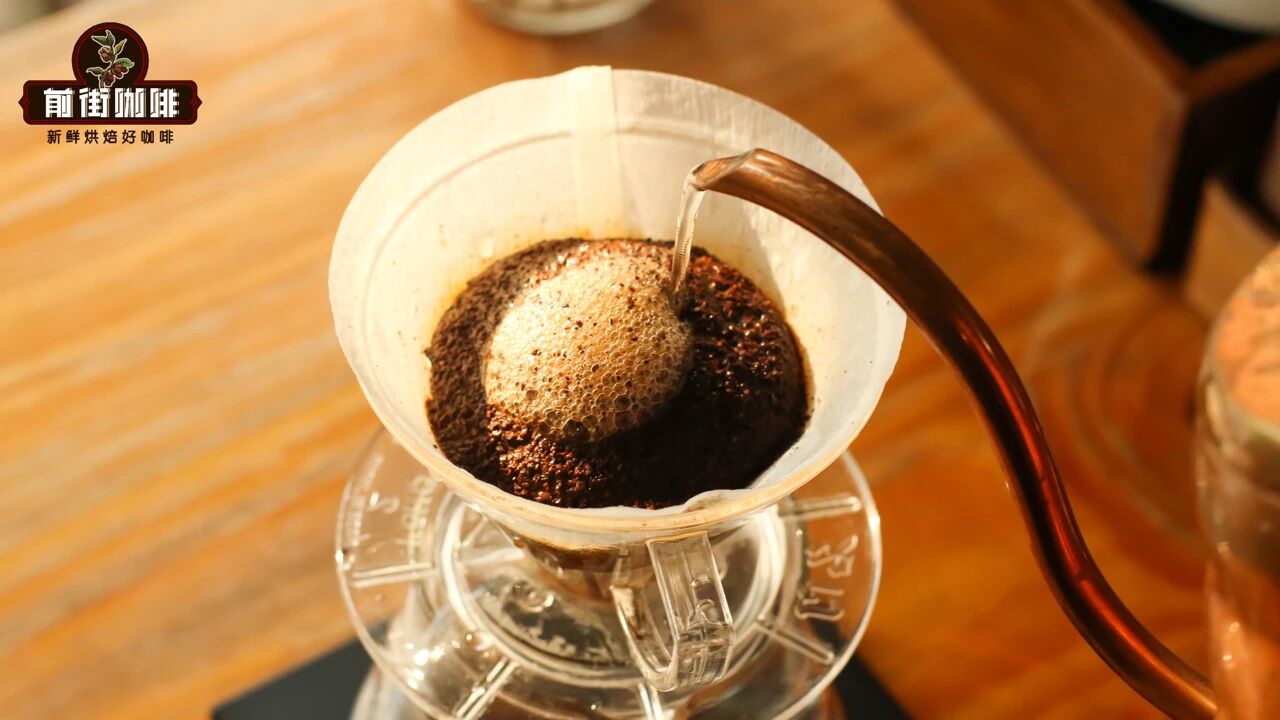
The brewing method uses a three-stage pouring method; dividing into three pours better expresses the full-bodied mouthfeel and caramel sweetness of FrontStreet's Brazilian coffee.
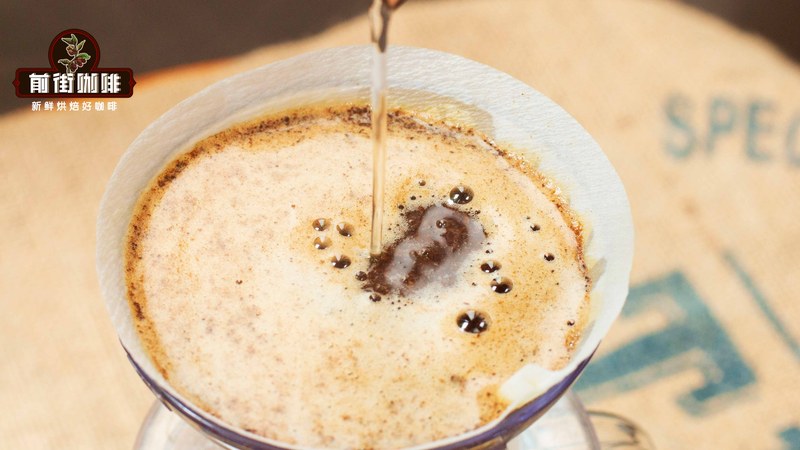
In the first stage, pour 30ml for the bloom; this pour fully wets the coffee grounds and allows them to degas, so that the coffee's flavor compounds can be better extracted later. In the second stage, pour 100ml; this stage mainly washes out the golden foam of the Brazilian coffee and raises the coffee bed.
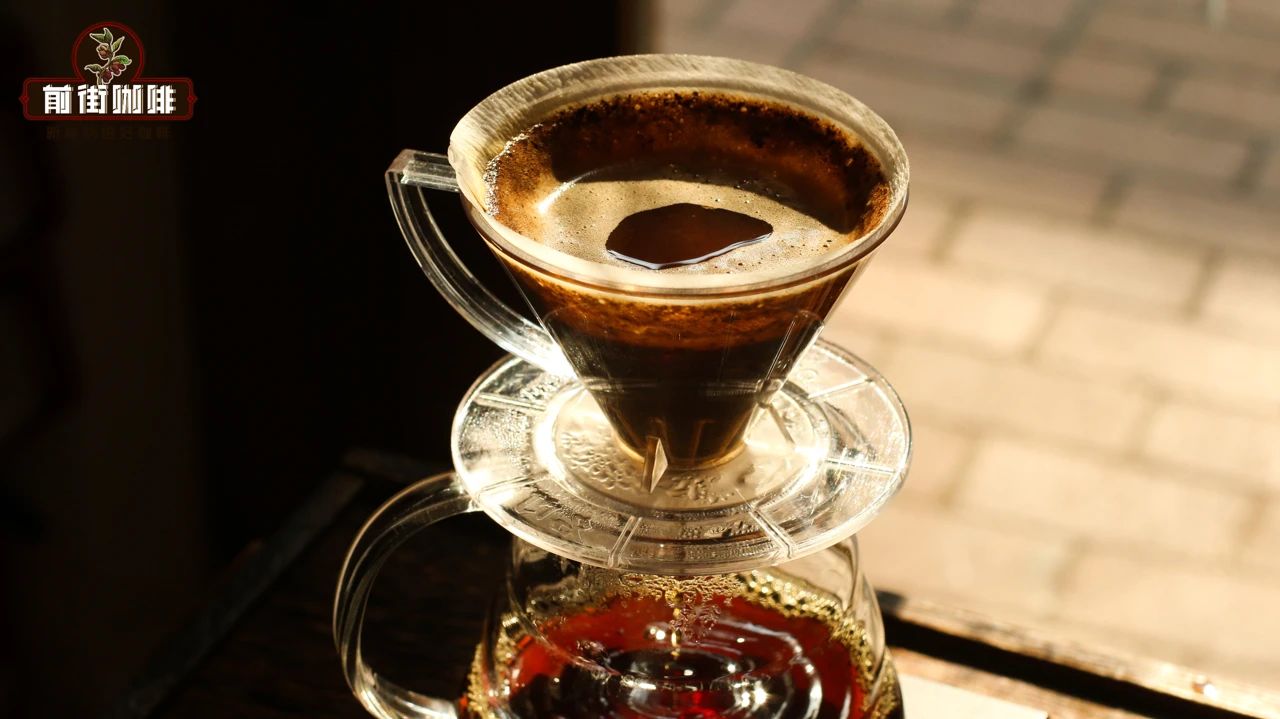
In the final stage, pour 95ml gently in the center; this can increase the coffee's sweetness, and overall it expresses a thick, full-bodied mouthfeel, caramel sweetness, and chocolate and nut flavors.
Related Reading

Comments (0)
Loading comments...
You May Be Interested


Trending Reviews
Popular Videos

With you, wherever you are! We provide useful features to help you find new things you'll love






