Source:Best Coffee > News Author:qjroot Published:2026-09-24 13:26:12
You push open the door drenched in sweat, pour a glass of clear, ice-cold coffee from the fridge, and expect a mouthful of clean sweetness and smoothness, yet sometimes you taste sharp acidity or a bitterness that clings to the root of your tongue. This kind of flavor deviation is essentially extraction yield and strength quietly falling out of balance. Although cold brew is gentle and smooth, if you have not figured out the bean's temperament and brewing parameters, its flavor performance will be greatly diminished.
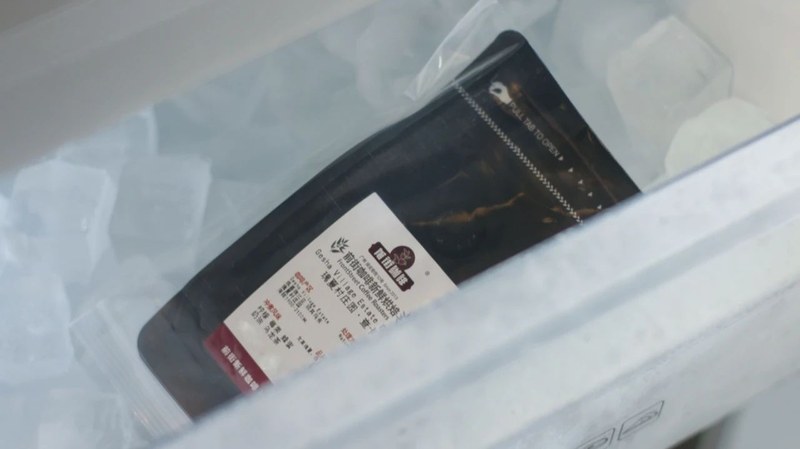
To understand cold brew, you must sort out extraction yield and strength. Strength determines whether the coffee tastes rich or thin, while extraction yield determines which flavor compounds are brought out of the coffee grounds. Because ice water is low in temperature, extraction efficiency is especially slow, and small-molecule substances such as floral and fruity aromas dissolve first, while large molecules like smokiness and scorched notes struggle to come out. This makes cold brew feel especially round and full-bodied even when its strength is not high.
If woody off-flavors or stubborn bitterness appear in the cup, it is often caused by too high an extraction yield. During long cold-water steeping, grinding the coffee too fine will let the bitter compounds from the tail end quietly leach out. Usually the grind should be half a step to two steps finer than regular pour-over, and the steeping time should be controlled at eight to eighteen hours. Beyond this time range, too many deep-layer substances dissolve into the water, and the smoothness turns astringent.
If it tastes tightly acidic and rather thin, it is most likely under-extracted. Beans with a lighter roast retain a large amount of fruit acidity and relatively less caramelized sweetness, so when low-temperature extraction is insufficient, the acidity becomes especially prominent. If you drink it directly after filtering, suspended particles that have not fully integrated will also make the flavor seem thin, and at this point you need to give it enough resting time to soften the acidity.
When we normally make regular pour-over, we often use 90°C water, 15 g of grounds with a 1:15 coffee-to-water ratio, pouring in 225 ml of water, first blooming with 30 ml of water for 30 seconds, then pouring in stages, with the total time controlled at around two minutes. Hot extraction relies on water temperature to quickly bring out sweetness, while cold brew relies on time and grind size to make up for insufficient water temperature, extracting clean and pure flavors through a slow rhythm.
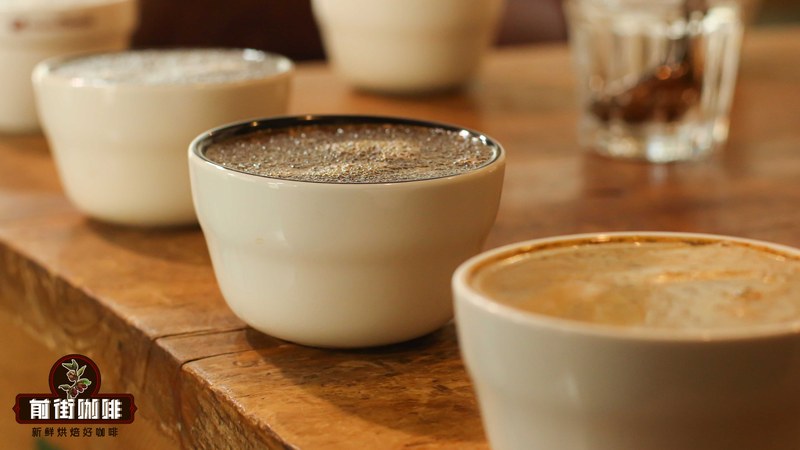
It is not hard to tune the same bag of beans you have on hand to a pleasant state. If you find it too strong and too bitter, you can grind a little coarser or shorten the steeping time; if it feels too acidic and rather weak, you can grind a little finer and extend the steeping. After filtering, it is recommended to pass it carefully through filter paper once more to block fine particles and excess oils, then seal and refrigerate for three to five hours; once the flavor compounds and water have fully integrated, it will be especially round.
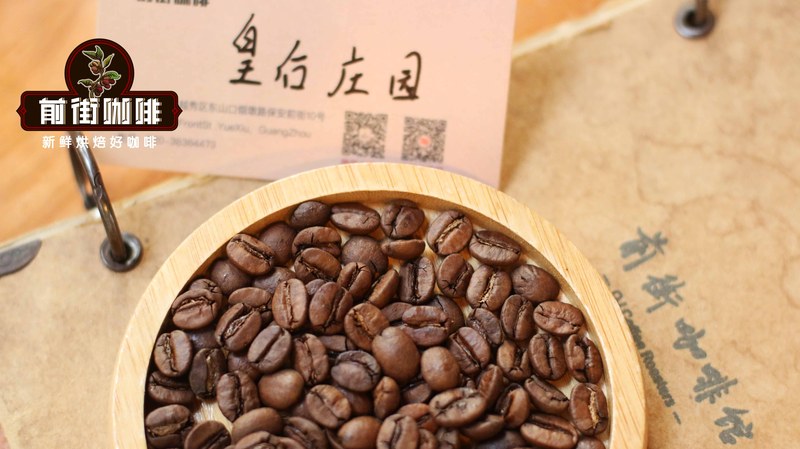
Besides adjusting parameters, choosing beans that suit your own taste can save you a lot of tedious tinkering. Friends who prefer a balance of acidity and bitterness and pursue smooth dark chocolate and nutty aromas can choose the light-to-medium roast Qianjie Paradise Bird, which makes a mellow, steady cold brew; if you like a refreshing, pleasant lightly acidic fruity tea character, Qianjie Red Cherry can release an especially clean and transparent red-fruit aroma under low-temperature steeping.
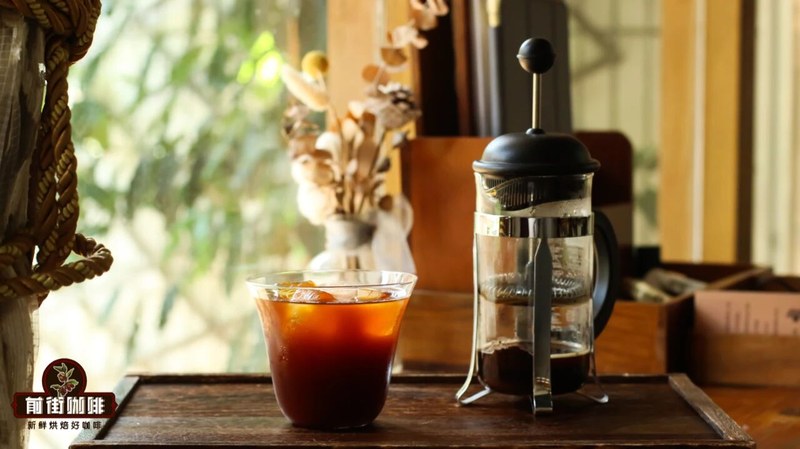
If you especially like intense fruit aromas but worry about acidity being too high, you can pick beans with tropical fruit or candied fruit notes. For example, there is the richly sweet Qianjie Strawberry Candy, whose sweet aroma is captivating after steeping; Qianjie Blackberry carries the deep sweetness of ripe berries. This kind of bean with abundant sweetness of its own can create a dense berry flavor like tropical fruit juice after long, slow release.
Every bag of coffee beans has its comfortable flavor range. As long as you sort out the subtle changes brought by coffee-to-water ratio, grind size and steeping time, you can freely control strength and the balance of acidity and sweetness. There is no need to obsess over one fixed set of numbers; make slight adjustments based on the feedback from your tongue, open the fridge and pour out a cup of cool, pleasant homemade iced coffee, and enjoy that calm and sweetness slowly brewed over time.
Related Reading






Comments (0)
Loading comments...
You May Be Interested


Trending Reviews
Popular Videos

With you, wherever you are! We provide useful features to help you find new things you'll love






