Source:Best Coffee > News Author:qjroot Published:2024-07-05 18:05:13
Brazilian coffee holds an important position in the global coffee market, as Brazil is the world's largest coffee producer and exporter, and its coffee exports account for one third of the world's coffee exports.
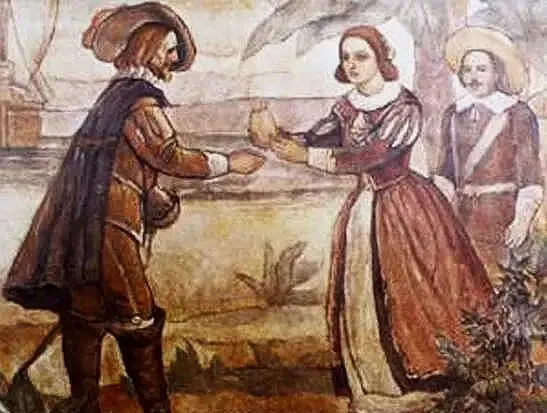
Brazil is a South American country and is also the largest country in South America, with a strong industrial base and highly developed agriculture. According to historical records, as early as 1727, France restricted the export of coffee beans from its territory of Guiana, and a Brazilian sergeant major gained the trust of the wife of the governor of the capital of French Guiana. At the end of his trip there, the lady gave him an Arabica coffee seed, and he brought this coffee seed back to the state of Para in Brazil.
Brazil is vast in territory and rich in resources, and its terrain is mainly divided into two major parts. The central and southern parts of the country are mainly the Brazilian Highlands at an altitude above 500 m, while the northwestern part of the country is mainly plains at an altitude below 200 m and the Amazon basin.Most of Brazil lies in the tropics: the northern region has a tropical rainforest climate, the central region has a tropical savanna climate, and the south has a subtropical monsoon humid climate. The Amazon Plain has an average annual temperature of 25-28°C, and the southern region has an average annual temperature of 16-19°C.
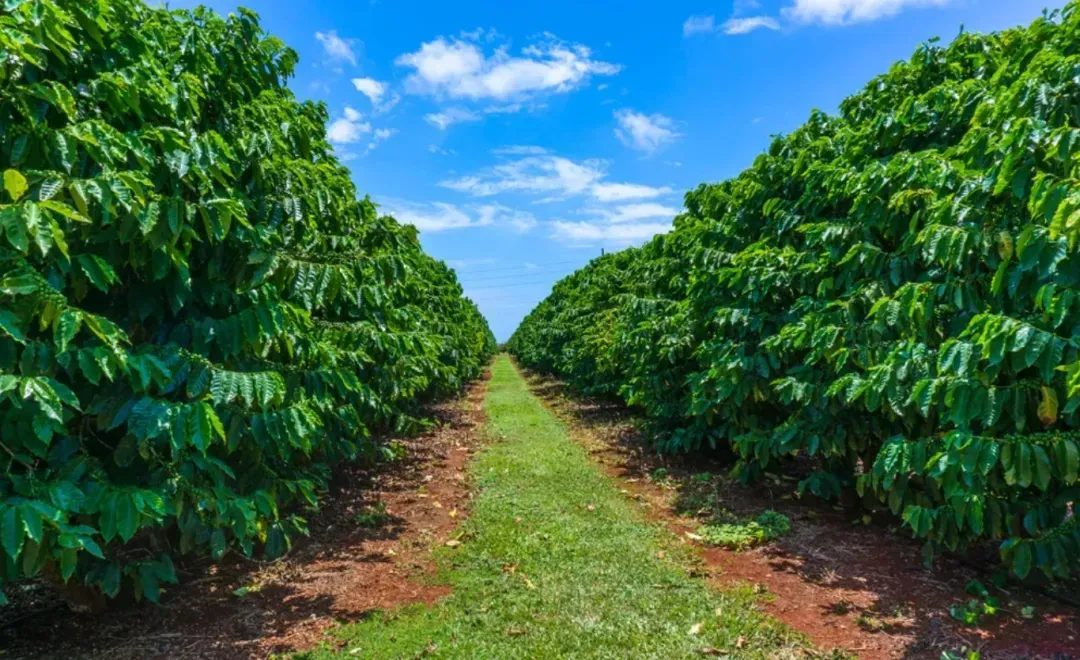
Brazil has sedimentary volcanic clastic soil rich in organic matter and minerals, with good drainage, and it also has numerous rivers, tropical rainforests and a suitable climate, making the country very suitable for growing coffee and other agricultural products. Back then, after coffee was planted in the state of Para, it quickly spread to other states in Brazil, and by 1886 Brazil was already producing 45% of the world's coffee output. It has now also become the world's largest coffee producer and exporter.
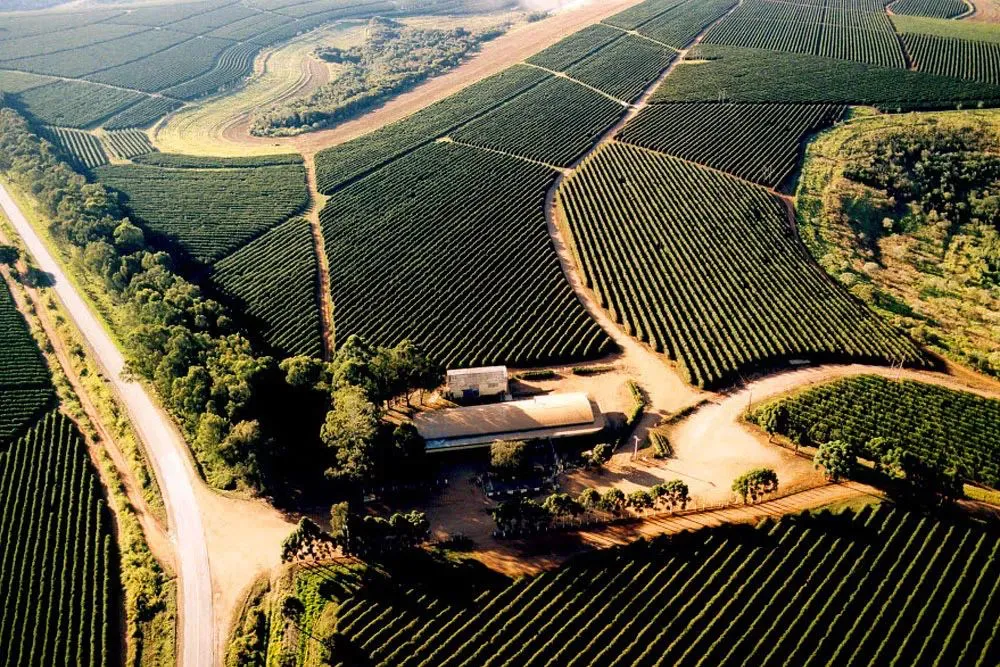
Brazil has a total of 26 states, and 17 of them grow and export coffee. Among them, four states - Parana, Sao Paulo, Minas Gerais and Espirito Santo - account for 80% of total production. At present, Brazil grows both Arabica and Robusta coffee varieties.
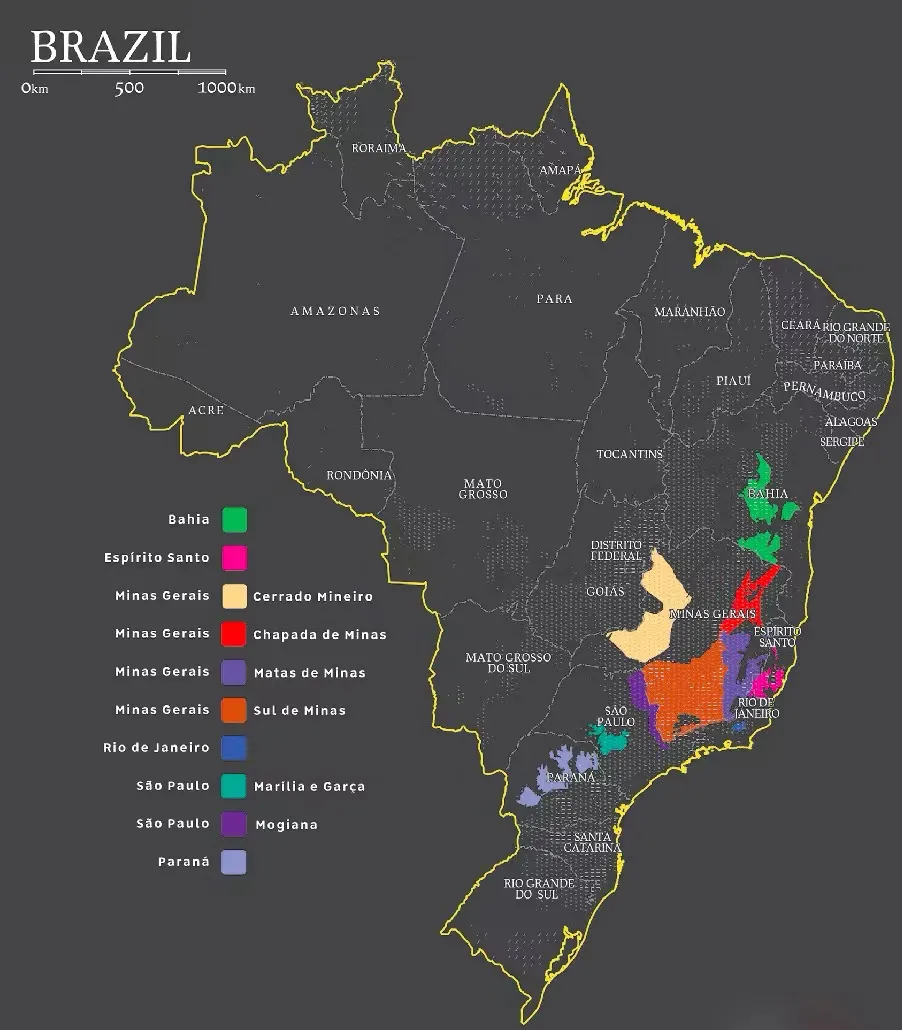
Minas Gerais: This is the state with the largest coffee production in Brazil, accounting for 30% of the country's coffee production. The state is located in southeastern Brazil. Do not assume that because the state has high production, it is lacking in quality. Because the state is home to several of Brazil's highest mountain ranges, these mountains can effectively block the sea breeze from the Atlantic Ocean, protecting the coffee trees so that excellent coffee trees are planted and grown.
In addition, Minas Gerais also has quite a few sub-regions, such as Cerrado and South Minas. FrontStreet Coffee has a semi-washed Cerrado coffee, which serves as a representative entry-level selection, with chocolate flavor and nutty aroma and a balanced mouthfeel.
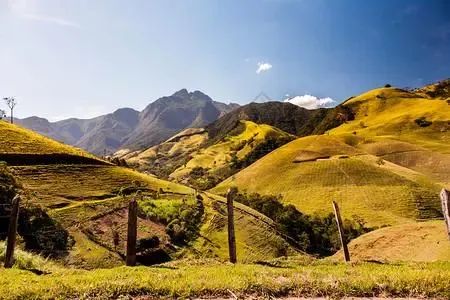
South Minas, known as the heart of Brazil's coffee industry, has a coffee production tradition spanning hundreds of years, and the local coffee culture is deeply rooted. The terrain here is mostly mountains and hills, with elevations between 700-1200 m, so mechanical harvesting is rarely used here. As a result, South Minas coffee is known for its quality, and there are also many well-known coffee estates, such as Fazenda da Esperanca, Ipanema Estate, and Santa Ines Estate.
Ipanema Estate was founded in 1969 and owns more than 5500 hectares of land and 14 million coffee trees, and is also one of the founding members of the Brazil Specialty Coffee Association (BSCA). The estate has three estates under it, among which "Fazenda Rio Verde" Rio Verde Estate is the most well-known.
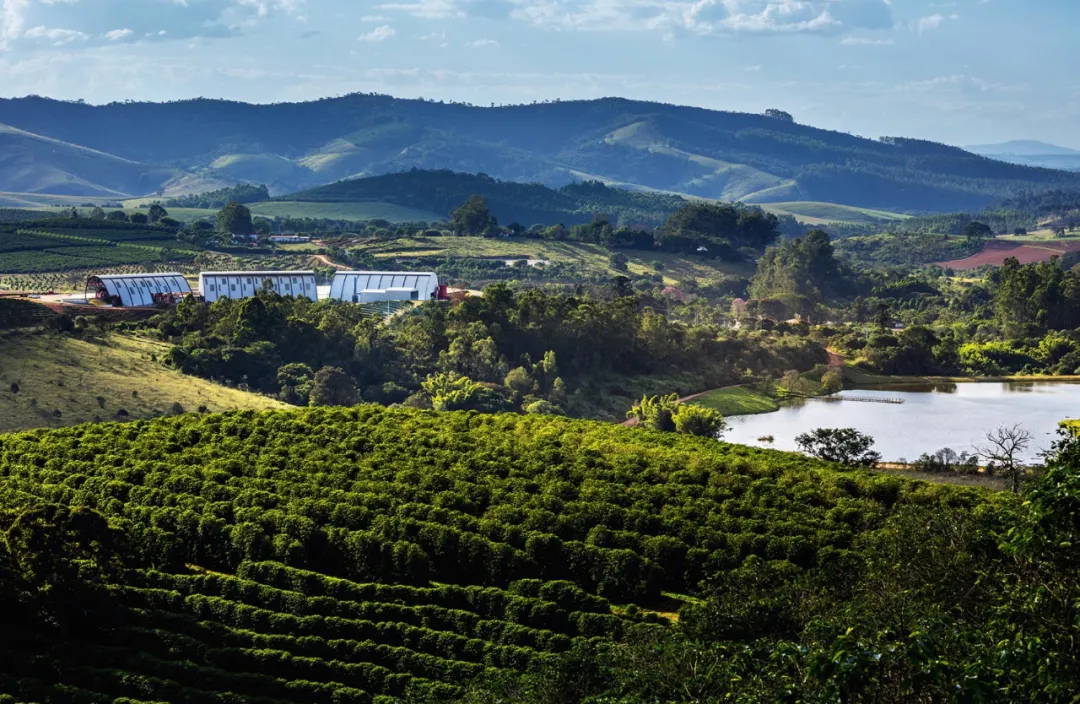
Fazenda Rio Verde is located in the heart of the MantiqueiraMantiqueira mountains in southern Minas, was established in1887, was acquired by Fazenda Ipanema in2002, and is a1500-hectare estate.
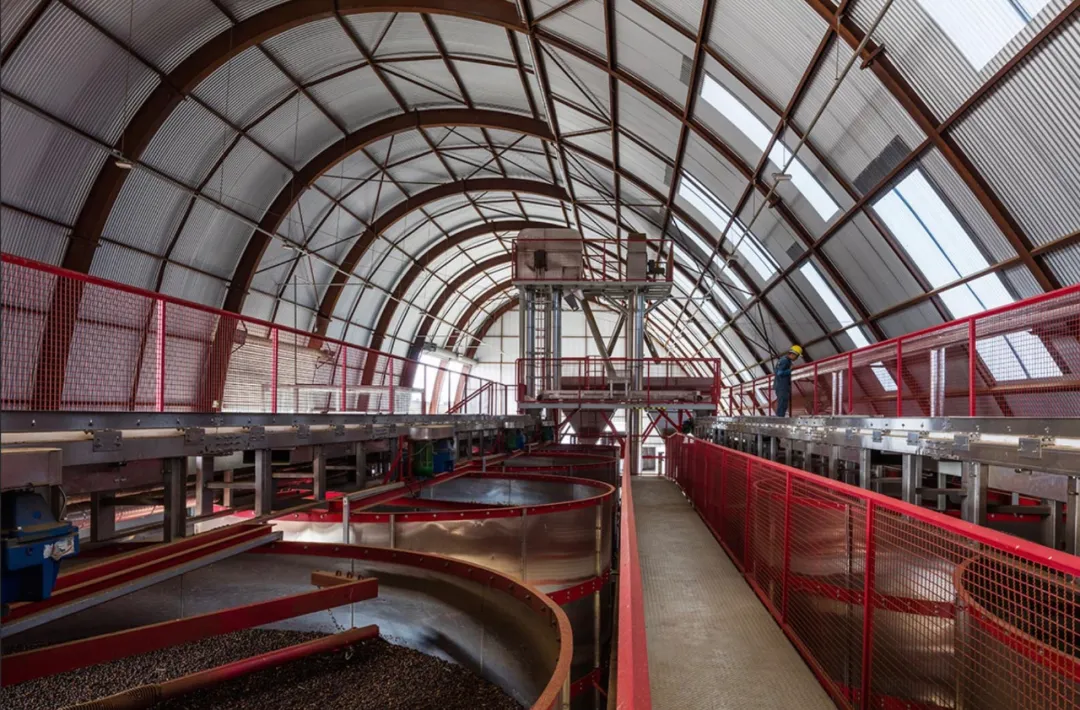
It retains areas of fairly pristine forest, with the Mantiqueira mountains providing a suitable climate and a moderate amount of rainfall; the coffee is planted at an altitude of around1000-1310 m, surrounded by woodland, waterfalls, hot springs and hills, and other crops are grown alongside the coffee, and it has a professional team dedicated to the pursuit of excellence and innovation to control quality, with complete technical coffee milling facilities and storage infrastructure, so that it can produce high-quality coffee; in 2023, with a score of 92.15 points, it won first place in the Brazil Cup of ExcellenceCOE.
Related Reading






Comments (0)
Loading comments...
You May Be Interested


Trending Reviews
Popular Videos

With you, wherever you are! We provide useful features to help you find new things you'll love






