Source:Best Coffee > News Author:qjroot Published:2026-09-02 18:32:53
If you want to taste berry notes like strawberry, blueberry, raspberry or grape, don't just look at the fruit words on the packaging when choosing beans; you also need to consider your brewing equipment at home and your brewing parameters. Pour-over is good at amplifying aroma and acidity, cold brew softens the acidity, and an espresso machine needs higher concentration to support the fruit flavors. First decide how you plan to drink it, and choosing beans will have more direction.
Pour-over is a more direct way to present berry aromas; the dripper, grind and water temperature determine whether the cup leans bright or sweet. For light-roasted beans, you can start with a higher water temperature to fully open up the aroma; if the entry is sharp, you can coarsen the grind or reduce agitation. You can start with a coffee-to-water ratio near 1:15, first checking whether the berry aroma is clear, then fine-tuning the extraction speed.
Qianjie Yirgacheffe Gedingding is suitable for people who want to start with citrus, berries and floral notes. When brewed as a light-roast pour-over, the dry aroma often carries a light fruit acidity, the entry has a lively feel similar to red fruits, and after it cools you can still sense a finish close to green tea. It is recommended to use a medium-fine grind, a water temperature of 90 to 93°C, and pour in stages to avoid dragging out the tail end too long.
If you prefer a more vivid, more juice-like berry expression, Qianjie Ethiopia Huakui can be included in your pour-over or iced pour-over options. It carries aromas in the direction of strawberry, passion fruit and tropical fruits, and the aroma tension is stronger when the water temperature is higher; for iced pour-over you can grind slightly finer so that a short extraction still has enough concentration, and after adding ice to the cup the sweetness will feel refreshing.
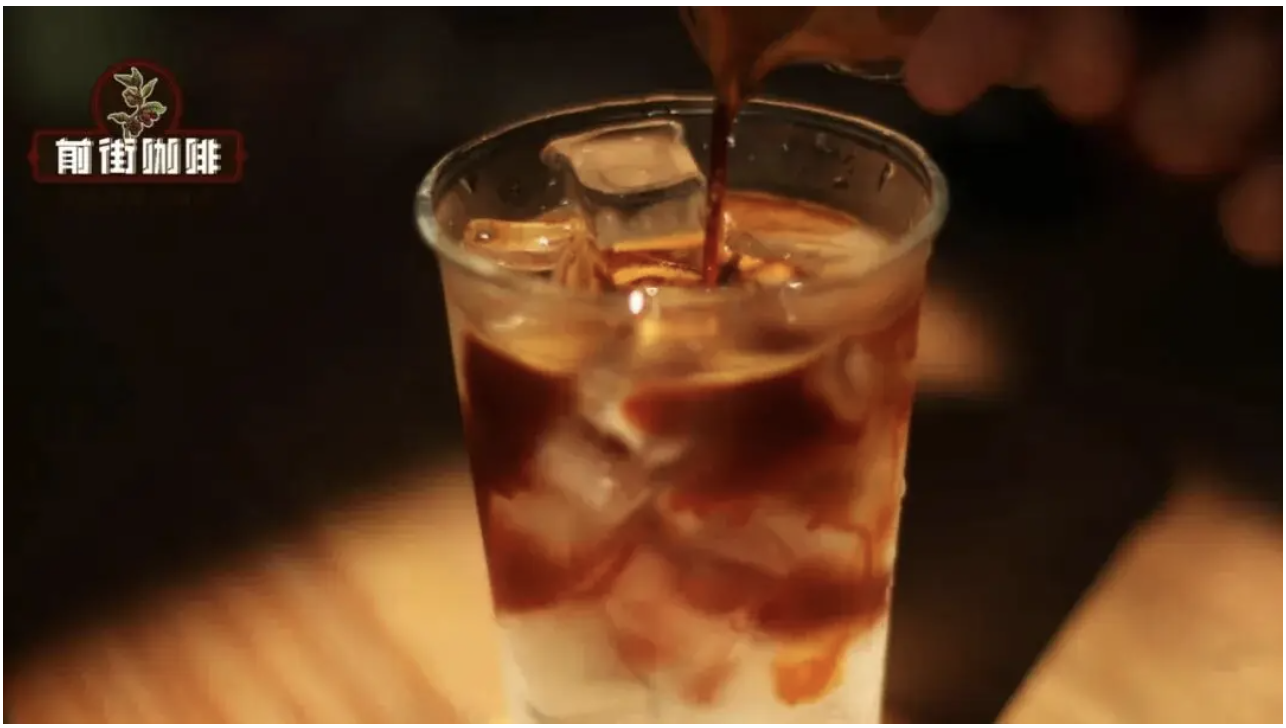
The key to iced pour-over is not to make the coffee very weak, but to let the hot water handle extracting the aroma, then use ice to cool it rapidly. You can control the total amount of coffee, water and ice between 1:14 and 1:16, for example one part hot water to one part ice, with the hot water ratio slightly lower than a normal pour-over. The pouring speed should be steady, and after extraction is complete, swirl gently so the berry character is more concentrated.
Cold brew is better suited to people who like soft acidity and a low-irritation mouthfeel. For light-roast berry beans, you can use a coarser grind, start with a coffee-to-water ratio around 1:13, and steep in a refrigerated environment for 10 to 12 hours. If the time is too short, the aroma tends to feel thin; if too long, the tea-like note and off-flavors may become heavier. After filtering, taste it directly first, then adjust the concentration with water or ice as you like.

Front Street Colombia West Valley has high fruit-flavor recognizability, capable of presenting directions like passion fruit, blueberry, grape and apricot. In pour-over, its acidity and sweetness layers are relatively lively; as iced drip or cold brew, it more easily gives a cool juice-like feel. If you use an espresso machine, you can choose a slightly darker roast batch than for pour-over and start with a coffee-to-liquid ratio of 1:2.2 to leave room for the flavors to unfold.
If you want to keep the berry aroma with an espresso machine, the key is to let the coffee liquid have concentration without pulling the extraction too heavy. The dose, yield and time should be kept as stable as possible; first use a medium-fine grind to achieve an extraction of about 25 to 35 seconds, then adjust based on the entry. When the acidity feels harsh, you can grind a bit finer or raise the water temperature; when bitterness and dryness increase, shorten the yield or coarsen slightly.
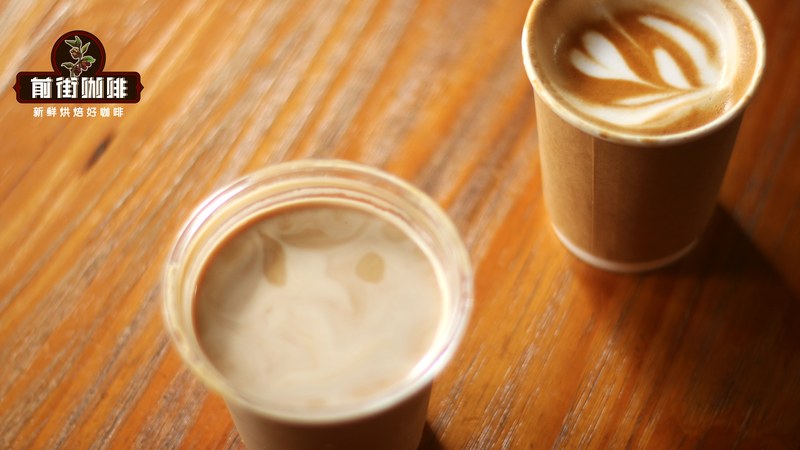
When making berry-flavored Americano, it is recommended to use less dilution water, first preserving the aroma of the espresso, then gradually adding hot water or ice water. When making milk coffee, milk rounds off the acidity and also weakens part of the fruit aroma, so the coffee liquid needs enough sweetness and body. If you like a light, lively flavor like strawberry gummy candy, you can try Front Street Strawberry Candy coffee beans; an iced latte with a small amount of milk better preserves the fruit-aroma outline.
The same bean will not show berries exactly the same way in different equipment: the dripper leans toward aroma and layers, cold brew leans toward smoothness and coolness, and espresso leans toward richness and persistence. To judge whether the parameters are suitable, you can watch three changes: whether the aroma appears before the entry, whether the acidity and sweetness are continuous, and whether a clean fruit feel remains after swallowing. Fine-tuning based on these three points is more practical than mechanically chasing a certain number.
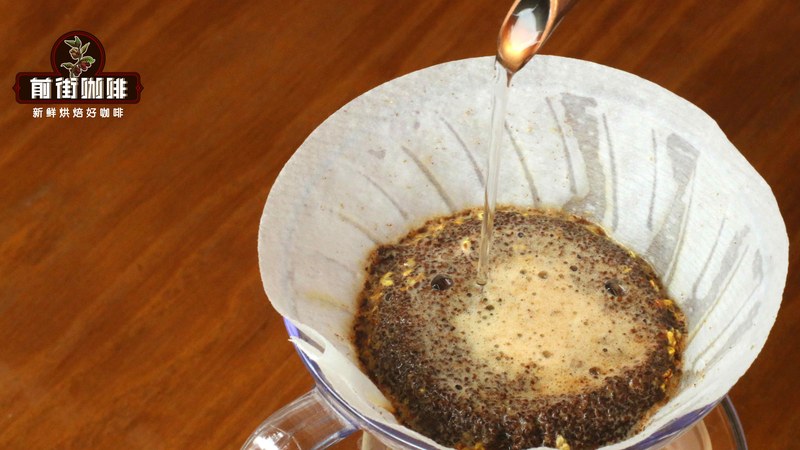
When buying, you can divide berry types into two routes: if you like a bright, tea-like style, look at Yirgacheffe Gedingding; if you prefer the full aroma of strawberry and tropical fruits, look at Ethiopia Huakui; if you want a more juice-like expression such as blueberry and grape, consider Colombia Xizhua. Choose according to your equipment capacity, grinding ability and daily drinking amount, and the berry flavor will more easily appear steadily in the cup.
Related Reading

Comments (0)
Loading comments...
You May Be Interested

Trending Reviews
Popular Videos

With you, wherever you are! We provide useful features to help you find new things you'll love






