Source:Best Coffee > News Author:qjroot Published:2024-12-18 18:48:18
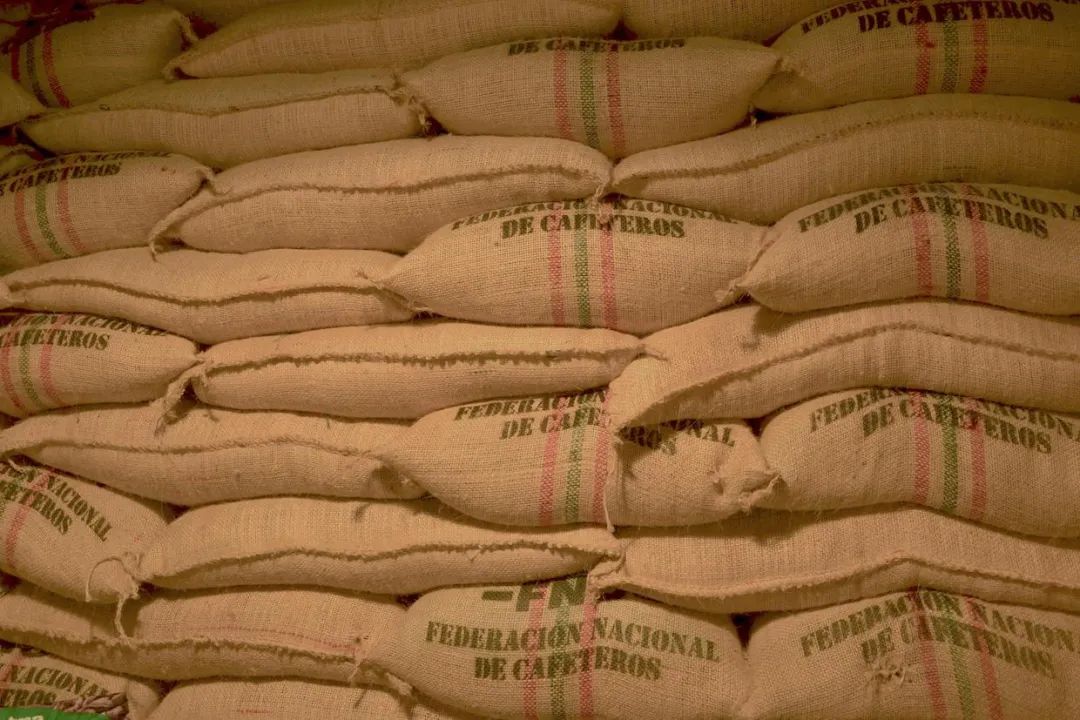
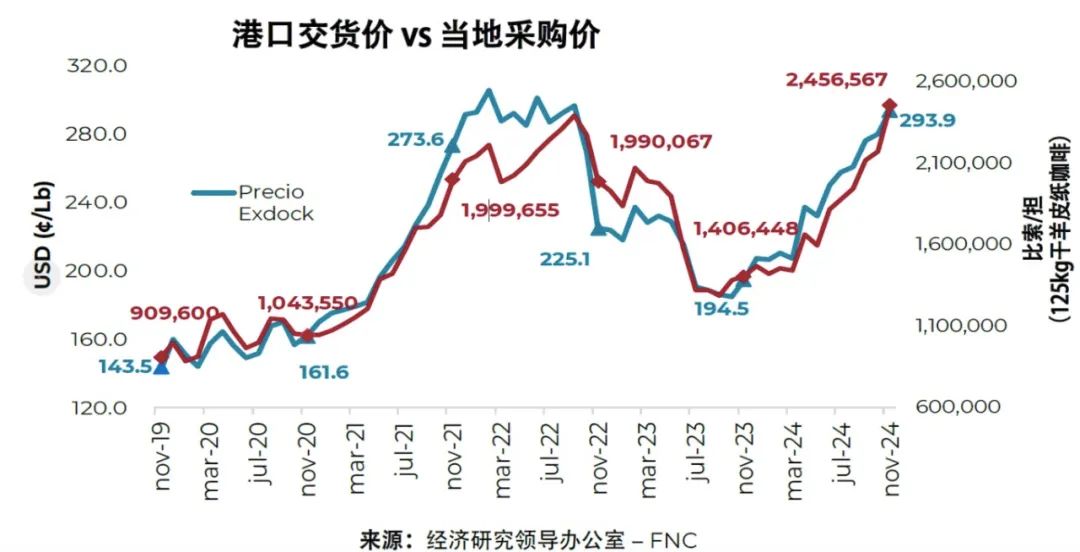
Recently, the Colombian Coffee Growers Federation (FNC) issued a report stating that thanks to the surge in international coffee futures prices, Colombia's domestic average purchase price has also risen accordingly. The domestic average purchase price in Colombia reached 2,456,567 pesos (about 557 US dollars) per carga (125 kg of dry parchment coffee), setting a record high monthly closing price. At the same time, this price is the highest level ever for November, up 13% month-on-month.
In addition, the port delivery price also rose 5% compared with last month. On an annual basis, compared with November 2023, the local coffee purchase price in Colombia rose 74.7%, and the port delivery price also rose 51.2%.
Besides the price increase, Colombia's coffee production is also gradually recovering. This is because over the past few years Colombia encountered many problems, and coffee production had long been less than ideal. In 2023 it was also affected by El Nino and La Nina, causing coffee production to keep declining. However, this year the situation began to improve, the weather began to return to normal, and together with the earlier increase in coffee planting area, coffee production has recovered somewhat this year, and export volumes have gradually increased.
The report points out that in November, Colombia's coffee production totaled 1.76 million bags (60 kg/bag), an increase of 37% compared with the same period last year, and the highest output for that month in nearly 29 years. The increase in production also drove a rise in export volume. According to the report, in October Colombia's final coffee export volume was 1.039 million bags (60 kg/bag), an increase of 14.4% compared with the same period last year.
Although export volume grew, some sources point out that there are currently quite a few problems at Colombian ports affecting Colombia's coffee exports, all because geopolitical issues and the Red Sea crisis have forced many shipping routes to take detours, which has increased ships' shipping time, led to congestion at multiple ports, and brought about a shortage of containers.
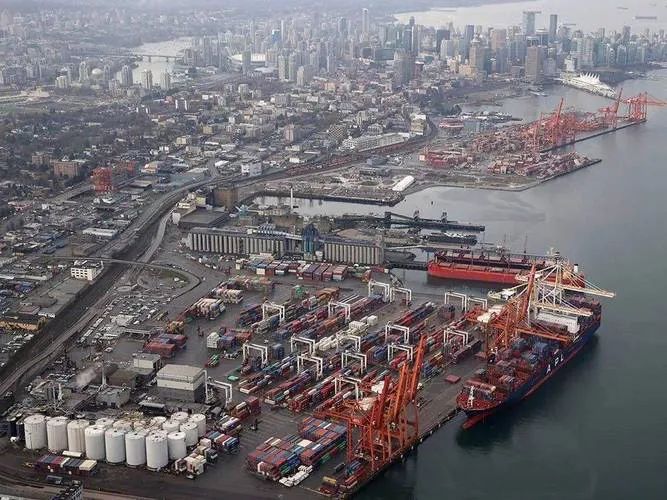
These circumstances have led to a large amount of coffee piling up at ports and docks, waiting to be exported. However, during this period, many coffee exporters have experienced cost overruns and inefficiencies due to additional expenses such as extra storage, demurrage, and pre-stacking fees. In addition, Colombian traders are concerned that after the new U.S. President Trump takes office in January next year, Colombia may face stricter trade policies with the United States, and tariff measures could make import and export costs even more expensive.
In addition, Colombia is a major importer of chemical fertilizers, needing to import large quantities every year. In recent years, Colombia has expanded the planting area of crops such as corn, bananas, and coffee to increase yields of these crops, but this has also led to an increased demand for fertilizers.
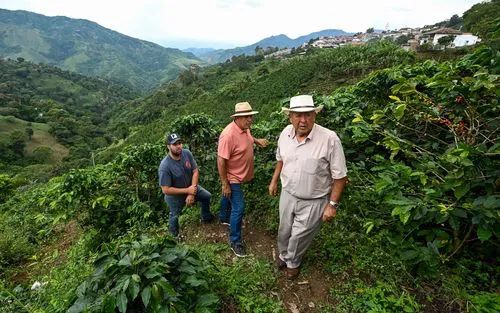
However, due to geopolitical issues, Colombia's fertilizer import costs keep rising, and today the US dollar is very strong, which has caused the Colombian currency to continue depreciating and further pushed up import costs. Although the Colombian government and agricultural associations are taking measures to reduce dependence on imported fertilizer, it is still difficult to fully solve the shortage at present, which has led many coffee farmers' cultivation costs to keep increasing, and this has also made coffee prices rise.
At present, the international market is still very optimistic about the Colombian coffee market, all because since the start of this year, both Brazil and Vietnam have suffered severe weather, causing coffee production to fall sharply. Although Colombia also experienced a period of drought, the impact was not great, and coffee production has continued to rise. However, Colombia's current coffee production is not enough to make up for the shortage caused by Brazil and Vietnam, so coffee prices remain high.
To learn more news and information about coffee origins, please scan the QR code to follow: Kaping
Long-press the QR code to follow:

Related Reading



Comments (0)
Loading comments...
You May Be Interested



Trending Reviews
Popular Videos

With you, wherever you are! We provide useful features to help you find new things you'll love






