Source:Best Coffee > News Author:qjroot Published:2026-09-24 13:24:44
On a sweltering summer afternoon, pouring a glass of ice-cold, crystal-clear cold brew from the fridge fills your mouth with a sweet, fruity taste and instantly wakes you up. But coffee lovers often ask why the cold brew they make at home sometimes tastes thin as water, and sometimes so strong it is bitter. In fact, two key concepts lie behind this: coffee concentration and extraction yield.
Concentration, simply put, is how much coffee is dissolved in the water, directly affecting whether each sip feels light or heavy, and it is usually controlled by the coffee-to-water ratio. Extraction yield, on the other hand, is how much flavor material has been dissolved out of the coffee grounds by the water, mainly influenced by water temperature, grind size and steeping time. Cold brew uses cold or ice water, and the low temperature slows the extraction speed, so it needs a longer time and a suitable grind size to balance things out.
When the cold brew you make tastes weak, it is usually because the steeping time is too short or the grind is too coarse, causing incomplete extraction; if it feels too strong, the coffee-to-water ratio may be too small, and adding some ice to dilute it will bring back the refreshing taste; if you get a dry, astringent feeling at the back of your tongue, it is most likely over-extraction caused by grinding too fine. As long as you fine-tune along this logic, you can adjust the coffee on hand to a pleasant, balanced state without changing beans.
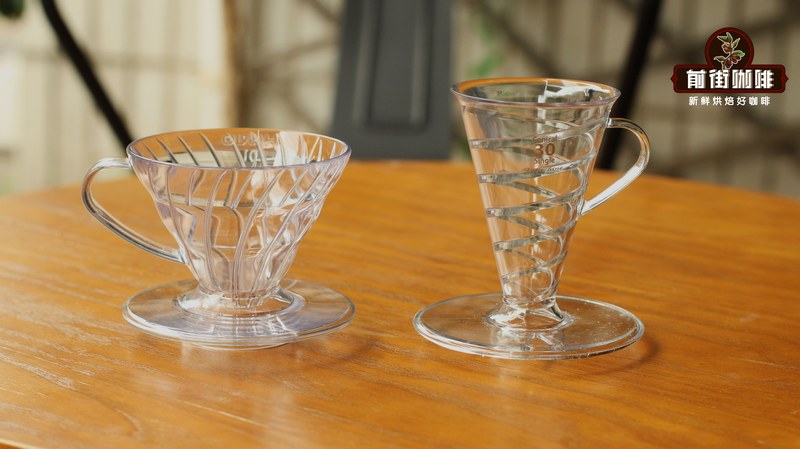
If you want to calibrate the bean's own original flavor, you might first use a regular pour-over as a reference. For example, take 15g of grounds, pair with 91°C water, pour 225ml of water at a 1:15 coffee-to-water ratio, first bloom with 30ml of water for 30 seconds, then pour in stages, keeping the total time at around 2 minutes. Pour-over can quickly release bright fruit acidity and aromatic compounds at high temperature, making it easy to judge whether a bag of beans is better suited to strong or light drinking.
Once you understand the flavor direction, choosing cold brew beans becomes especially easy. If you are after a light-drinking style with lifted floral notes and clear fruit acidity, Qianjie Strawberry Candy Gesha Blend Coffee is well worth trying. It cleverly combines Panama Gesha with Costa Rica honey process, one bringing delicate rose and orange flavors, the other highlighting the sweetness of dried blueberries and strawberry gummy candy; after low-temperature steeping, it is lively with sweet-and-sour notes and carries a real fruit-wine charm.
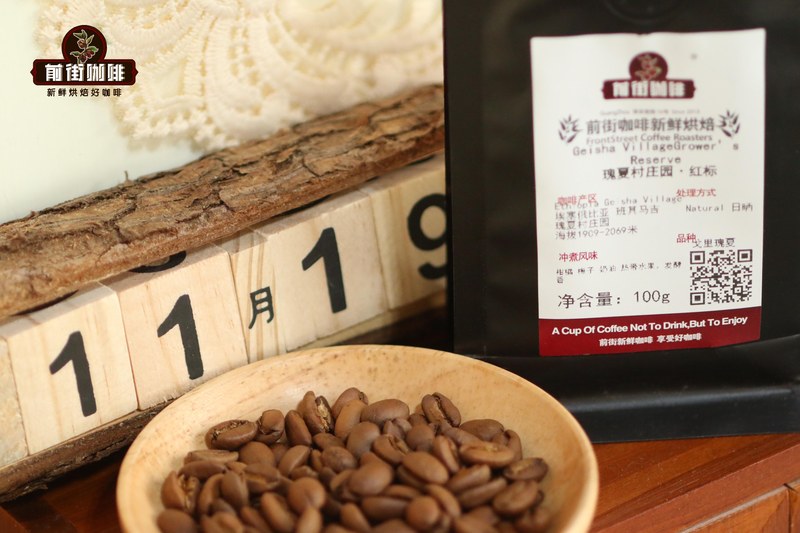
Also suited to a light extraction that shows off fragrance is Qianjie Natural Huakui Coffee. Cold brew can intensify the floral and fruity aromas of light-to-medium roast beans and soften darker-toned bitterness. This natural bean from Ethiopia absorbed a large amount of sugar from the fruit pulp and skin during its green bean stage. Made into cold brew, the subtle fragrance of magnolia advances layer by layer with the sweetness of creamy strawberry, dried mango and guava, and the finish carries a refreshing black-tea-like sweet aftertaste.
If you prefer a juicy, richly sweet-and-sour mouthfeel, Qianjie Kenya Little Tomato Coffee will be a real surprise. Produced in Kenya's Thika region, it uses premium SL28 and SL34 varieties and undergoes the K72 double washed process. Under the low-temperature extraction of cold brew, the flavors of cherry tomato, snow pear, black plum and smoked plum are fully displayed, the acidity is full and rounded, and drinking it in big gulps over ice is especially satisfying.
Making cold brew at home normally uses up a lot of grounds, so a high-value everyday bean can make daily drinking effortless. Qianjie Yirgacheffe Gotiti Cooperative Coffee is just such an all-rounder. The washed process gives it an extremely clean and bright sweet-and-sour taste, and made into cold brew it steadily presents sweet berries, honeyed sweetness and rich layers of flavor, suitable whether drunk on its own or mixed with milk to make an iced latte.
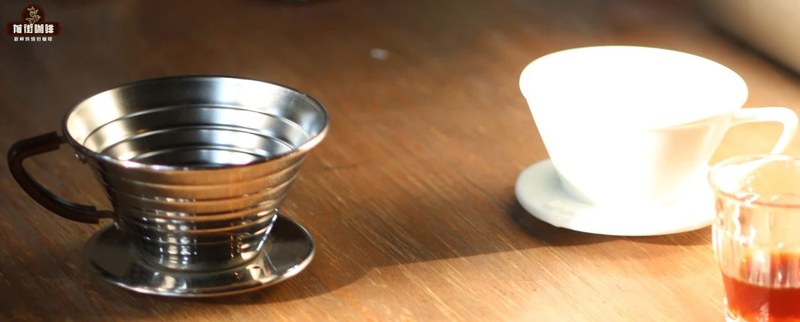
For everyday cold brew, you can also balance aroma and budget through blending. For example, if you like the rich passion fruit and apricot sweetness of Qianjie Colombia Pink Bourbon, you can add Qianjie Costa Rica Tarrazu coffee beans at a one-to-two ratio. This preserves the alluring mixed candied-fruit aroma of Qianjie Pink Bourbon while blending in the refreshing citrus acidity of Qianjie Tarrazu; with an easy, clever parameter combination, you can have your own ice-cold special drink anytime in summer.
Related Reading



Comments (0)
Loading comments...
You May Be Interested


Trending Reviews
Popular Videos

With you, wherever you are! We provide useful features to help you find new things you'll love






