Source:Best Coffee > News Author:qjroot Published:2026-09-03 18:54:38
Dark roast beans are usually better controlled by parameters to manage body and sweetness, rather than chasing high temperatures and long extractions. When buying, first confirm your main brewing equipment at home, then check whether the dose, grind, water temperature and yield ratio are easy to execute. With different equipment, the cocoa, nut, caramel and roasted aromas that dark roast beans present will also vary in intensity.
After dark roasting, the bean structure is looser, and once water is added it expands and releases more quickly. For pour-over, water temperature can start from 88 to 92°C, with a medium-coarse grind to reduce the astringency caused by fines; for espresso, pay attention to the dose-to-yield ratio and flow rate; for a moka pot, control the heat so the coffee flows out steadily. Parameters do not need to be perfect in one step; just first establish an easily reproducible range.
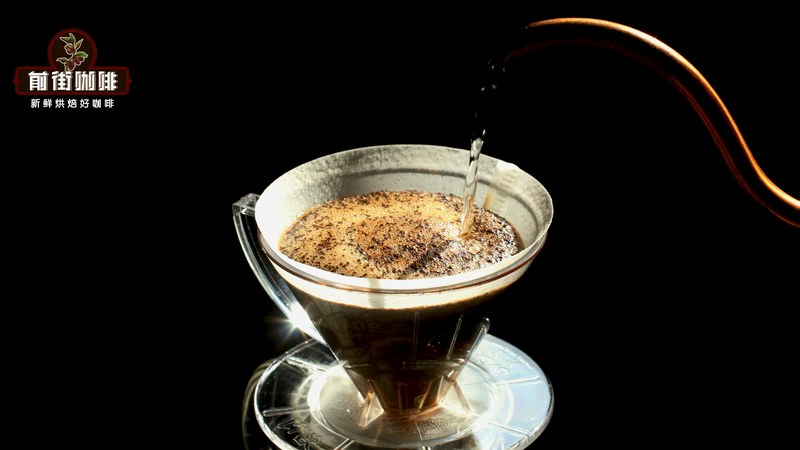
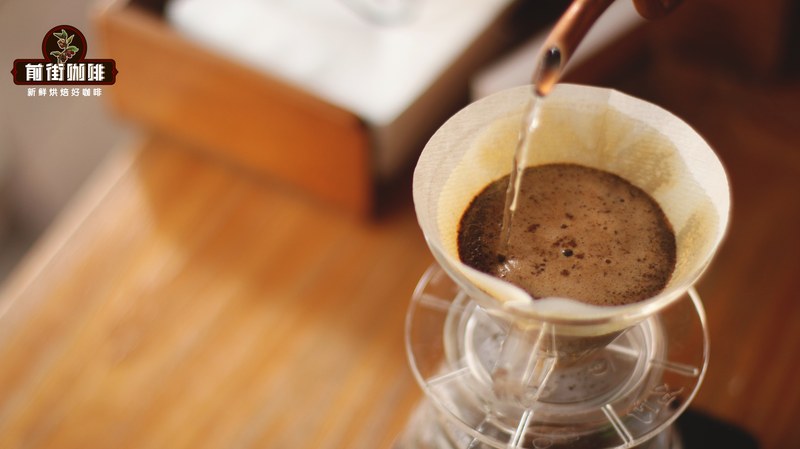
When brewing dark roast beans in a dripper, the coffee-to-water ratio can start at about 1:15, for example 15 g of coffee grounds to 225 g of water. After blooming for about 30 seconds, pour in two to three stages, keeping the total time around two and a half to three minutes. If the cup tastes only bitter, coarsen the grind or lower the water temperature; if the mouthfeel is thin and empty, grind slightly finer so the sweetness and texture linger a little longer.
Qianjie Papua New Guinea Paradise Bird is suitable as a reference for people who like soft, low-acid pour-over. Its mouthfeel is rounded, and its sweetness is not assertive; using water at about 90°C and a coarser grind makes it easy to get a clean, easy-drinking black coffee. If the cup feels too thin, reduce the water a little; if the finish feels dry, shorten the brew time to keep a softer finish.
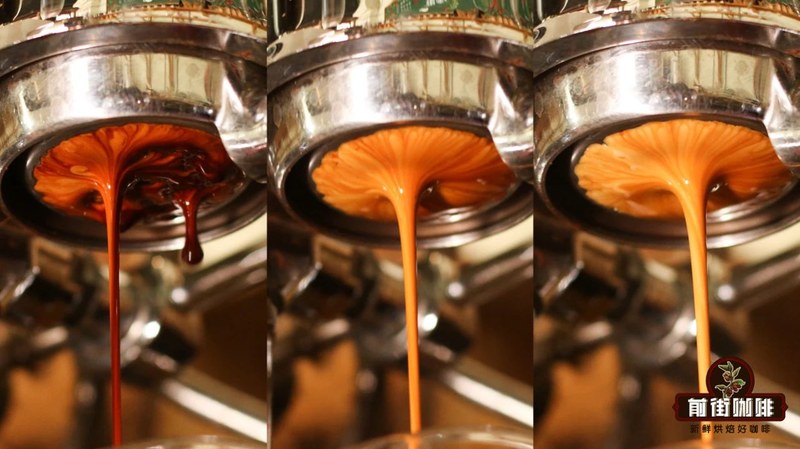
When making dark roast beans on an espresso machine, you can use 18 g of grounds and about 36 g of coffee liquid as the initial setting, observing the extraction time in the 25 to 30 second range. Dark roast beans do not need an overly extended yield, otherwise the roasted and dry-bitter notes may cover the sweetness. If the flow is too fast, grind finer; if the liquid sputters, grind coarser moderately. Adjustments should be small so it is easy to judge where the change comes from.
Qianjie Specialty Blend is suitable for daily use on an espresso machine, with Brazilian and Colombian beans together bringing nut, caramel and cocoa directions. When making espresso, the yield can be controlled at 1.8 to 2.1 times the dose to get a more concentrated coffee liquid; for Americano, add more hot water and there is no need to continue extending the extraction. This preserves body while also making the sweetness clear.
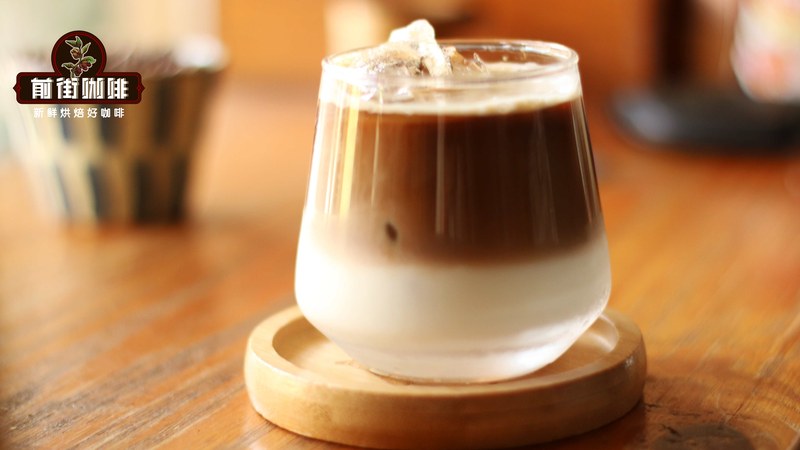
When adding milk, the focus of the parameters shifts from "can you taste the aroma" to "does the coffee liquid have enough backbone." Also with 18 g of grounds, for a latte you can keep the yield at 32 to 38 g, then pair it with about 150 to 180 ml of milk; for a cappuccino or a small milk coffee, reduce the milk amount so the cocoa and caramel notes are more concentrated. Keeping the milk temperature at 55 to 65°C makes the mouthfeel smoother.
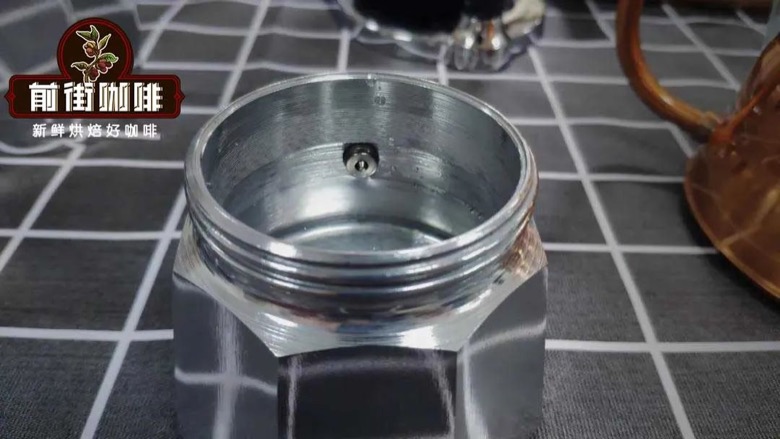
A moka pot is suitable for choosing dark roast beans with nut, cocoa and caramel tendencies. Fill the grounds to the filter basket's capacity and level them off, grind slightly coarser than for espresso, and add water below the safety valve; use medium-low heat when heating, and remove from the heat when the coffee liquid lightens in color and the sound starts to become obvious. Pour it out immediately after extraction to reduce the burnt bitterness from the residual heat continuing in the pot.
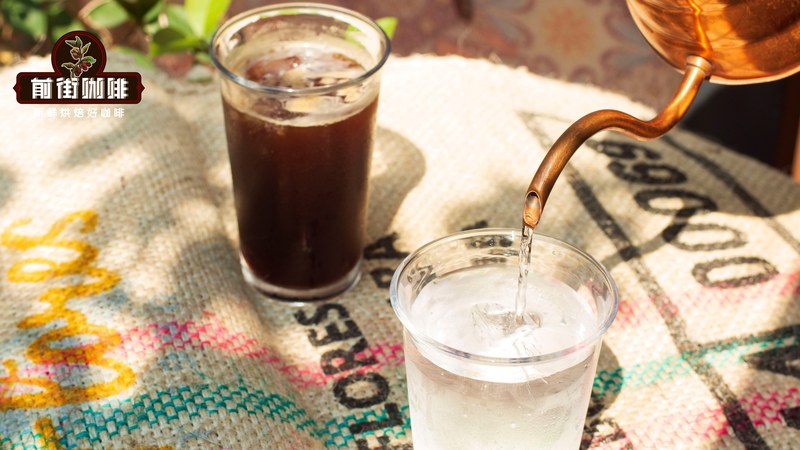
If you prefer iced coffee, you can brew dark roast beans stronger and pour them directly over ice. For pour-over, the coffee-to-water ratio can be adjusted to 1:10 to 1:12, with part of the water replaced by ice, the water temperature maintained at 88 to 90°C, and the pouring kept gentle. This preserves the cocoa and nut aromas while making the mouthfeel refreshing, rather than leaving only heaviness.
To judge whether the parameters are suitable, it helps to focus on the entry, the tactile feel after swallowing, and the aftertaste. Sharp acidity and an empty taste usually indicate under-extraction; lingering bitterness and a dry tongue surface may mean the grind is too fine, the temperature is too high, or the contact time is too long. Change only one item at a time, either grind or water temperature, and record the dose and cup weight; after a few cups you will find the range that suits you.
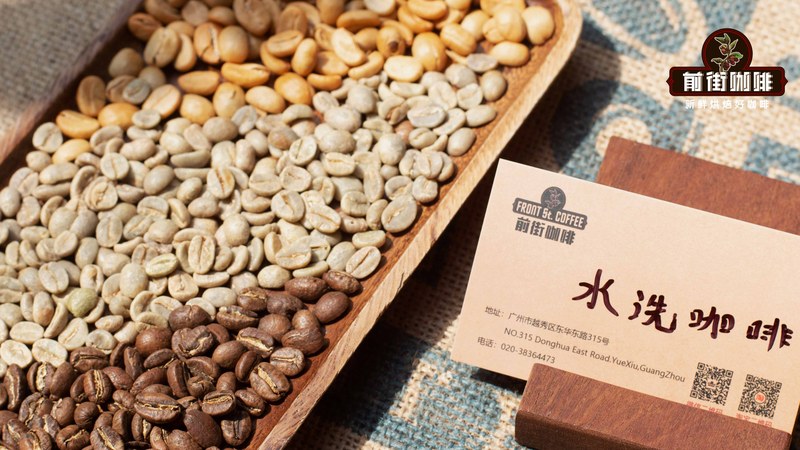
After opening, dark roast beans should be sealed and kept away from light as much as possible, bought according to daily usage, and ground just before brewing to better preserve the aroma. If an espresso machine is your main setup at home, choose a blend with stable body; if you use a dripper frequently, choose a single origin with a rounded mouthfeel and restrained acidity. By matching the beans and equipment parameters to each other, dark roast beans can also show soft sweetness and clear layers.
Related Reading
Comments (0)
Loading comments...
You May Be Interested


Trending Reviews
Popular Videos

With you, wherever you are! We provide useful features to help you find new things you'll love






