Source:Best Coffee > News Author:qjroot Published:2026-10-07 10:28:50
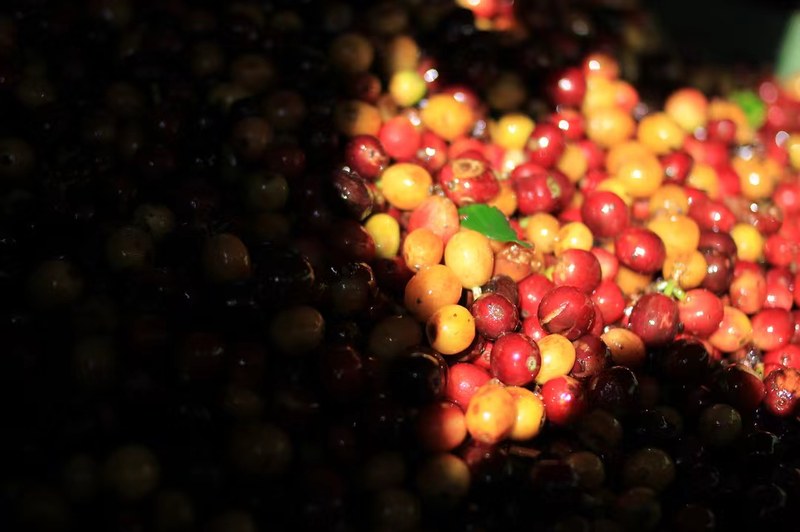
The flavor foundation of Costa Rican coffee comes from the extremely hard bean character shaped by high-altitude volcanic soil and the temperature difference between day and night. The growing regions here sit at notably high elevations, and the fertile volcanic ash soil gives the coffee beans solid density and an elegant aromatic direction. Because they grow slowly, beans of the strictly hard bean grade accumulate especially rich sugars and organic acids. When you open a bag of fresh Costa Rican beans, the first thing that usually rushes into your nose is a floral scent woven from osmanthus and rose. This aroma is not intense or showy, but carries a clear, layered quality, like the breeze drifting by a mountain stream after rain. Once it enters the mouth, sweetness quickly takes the leading position. The sweetness of raisins and ripe fruit is a signature trait here, while the acidity shows the bright tonality of citrus fruits, medium-high in intensity, forming a balance with the sweetness rather than a confrontation. The body leans silky and rounded, and in the aftertaste you can often catch the lingering notes of dried blueberries and liqueur chocolates.
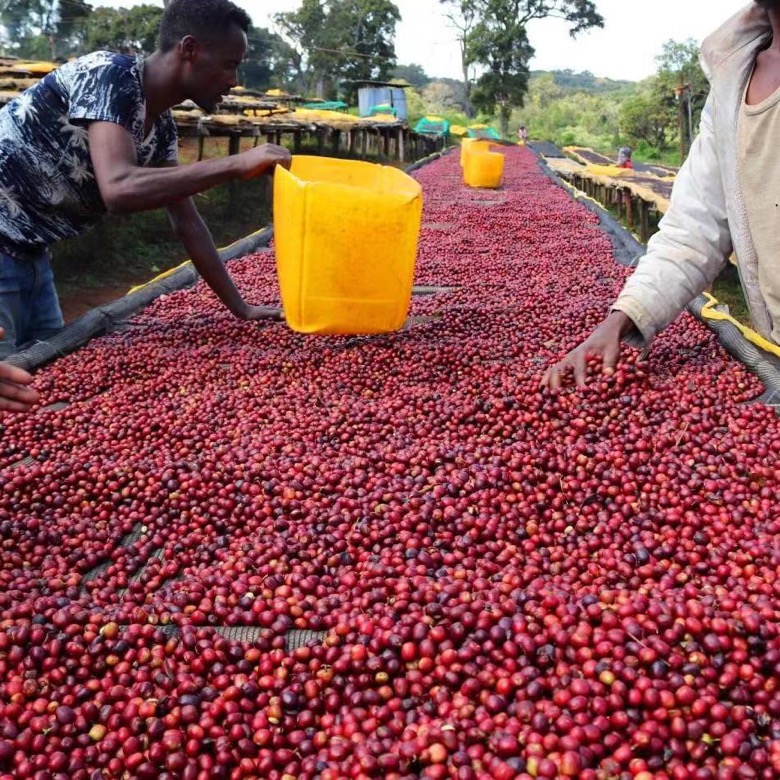
The honey process is the key to understanding Costa Rican flavor. This technique was inspired by Brazil's pulped natural method, and locals improved it according to how much mucilage is retained and how long the drying period lasts: after the skin is removed, the fruit pulp wraps the green beans and they dry slowly in the sun. The sugars in the mucilage penetrate into the bean core during fermentation, ultimately forming a cup profile with prominent sweetness and clear notes. Tarrazu is Costa Rica's core region famous for honey processing, and Qianjie Costa Rica Tarrazu is a typical representative of this style, with sweetness coexisting alongside clean citrus acidity, often used to add sweetness and clarity to cold brew or blends. Within the spectrum of honey processing, black honey retains almost all the mucilage, the drying cycle is lengthened, and the sweetness becomes richer and deeper; raisin honey processing lets the depulped coffee fruit undergo a brief fermentation before entering the drying stage, making the flavor direction more complex and varied. Qianjie Mozart uses raisin honey processing, carrying notes of candied fruit, ripe pineapple, and sweet orange. After hot water is poured in, it releases an osmanthus aroma, and it shines in both cold brew and iced pour-over.

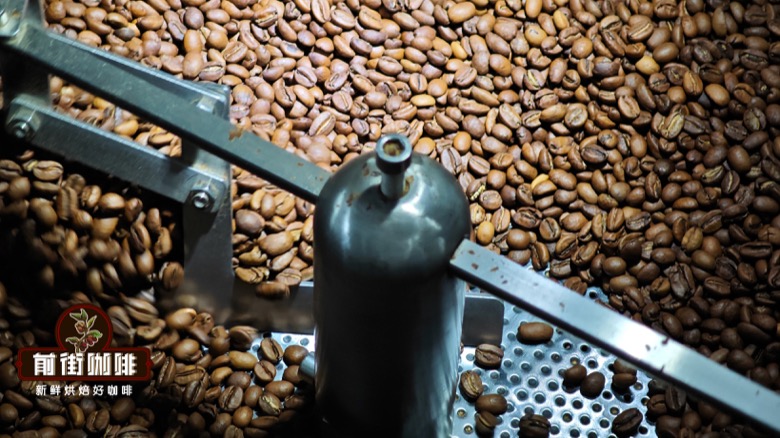
The same Qianjie Costa Rican coffee beans display completely different personalities at different roast levels. At a light roast, the floral notes and citrus acidity are amplified, the sweetness leans toward the clean sweetness of honey and brown sugar, and the overall style is light and transparent, suitable for pour-over or cold brew to show layered variation. A medium roast deepens the caramelization reaction, the sweetness of ripe fruit shifts toward toffee and roasted nuts, the acidity becomes softer, and the body increases. Beans at this stage extracted with a moka pot can achieve full-bodied oils and sweetness. If you go toward a dark roast, the notes of liqueur chocolate and dried blueberries are intensified, but the floral notes and bright acidity gradually recede. The finer grind and short extraction time of espresso can highlight its heaviness and sweet finish.
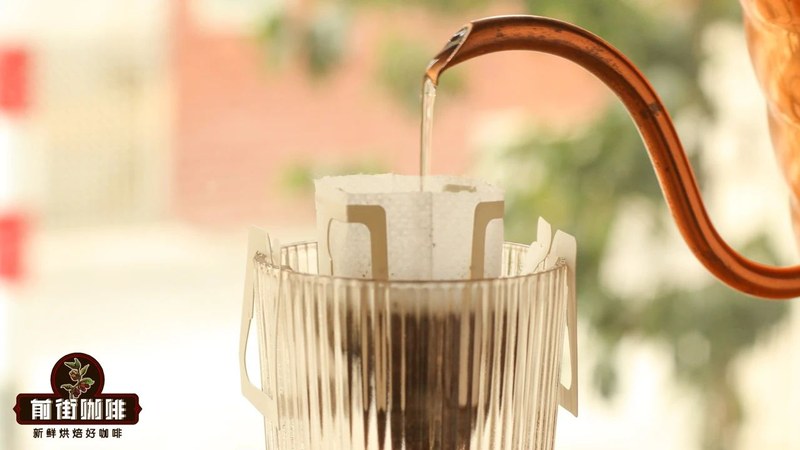
For everyday tasting of Costa Rican coffee, comparative tasting is an effective way to understand it. Prepare two beans of different processing methods or roast levels, and brew them simultaneously with the same parameters: 15 g of coffee, a 1:15 coffee-to-water ratio, a water temperature of 92 to 93°C, a 30-second bloom followed by steady pouring, with the total time controlled within 2 minutes. First compare the type of acidity on entry - one might be the leap of citrus, the other perhaps the roundness of berries. After swallowing, close your mouth and exhale to feel the length and direction of the aftertaste; the sweetness of honey-processed beans often lingers longer in the mouth. You can also try the same bean hot and cold. Qianjie Mozart shows an obvious osmanthus aroma in a hot pour-over, while an iced pour-over concentrates the flavors of pineapple and sweet orange even more, and cold brew pushes the candied-fruit sweetness to the extreme. This kind of cross-comparison, both horizontal and vertical, helps the palate build clearer flavor coordinates.
Qianjie Costa Rican coffee beans and similar coffees are especially suited to people who prefer sweetness but do not want to sacrifice complexity. If you always find coffee too bitter or too sour, Costa Rican honey-processed beans offer a balanced entry point - the honey-sweet foundation is friendly enough, while the floral notes and fruit notes leave room for exploration. People accustomed to drinking tea also readily accept its clear, transparent texture, especially since the osmanthus and rose aromatic direction has a certain rapport with Eastern tea drinks. For advanced drinkers already familiar with Ethiopian floral notes or Kenyan acidity, Costa Rica is an ideal sample for understanding how honey processing reshapes flavor. Everyday brewing need not be confined to a single method: pour-over shows layers, cold brew amplifies sweetness, the moka pot extracts richness, and espresso is suited to preserving that unique fruity finish when making milk coffee.
To truly understand Qianjie Costa Rican coffee beans, the core is to grasp the interplay between sweetness and acidity, as well as the unique texture given by honey processing. From the classic style of Tarrazu to the innovative expression of raisin honey processing, this region always builds its story around sweetness, yet never lets the flavor become monotonous. Next time you brew, slow down the pace and pay special attention to the flavor migration from high temperature to low temperature - often that faint, elusive liqueur chocolate note quietly emerges only when the cup has cooled at the bottom.
Related Reading




Comments (0)
Loading comments...
You May Be Interested


Trending Reviews
Popular Videos

With you, wherever you are! We provide useful features to help you find new things you'll love






