Source:Best Coffee > News Author:qjroot Published:2026-09-03 18:49:18
When brewing coffee with a moka pot, the oily mouthfeel mainly comes from the roast level of the beans, the soluble content, and the extraction conditions inside the pot. If you want a cup with fine foam on the surface and a thicker sip, you should not just focus on the words "rich oils"; you also need to look at the pot's capacity, the filter basket specifications, the heating method, and the yield, then decide on the style of coffee beans.

First, look at the moka pot capacity. A three-cup pot usually needs about fifteen to eighteen grams of ground coffee, which suits one person drinking strong coffee, or adding a small amount of milk to make a small milk coffee; a six-cup pot takes more coffee and water, and the liquid's residence time and heating process inside the pot are also different. If you usually drink only one cup but use a large-capacity pot, it is easy to get too much coffee liquid, the oily mouthfeel will be diluted, and the bean's body is not easy to present in a concentrated way.
The depth of the filter basket likewise affects bean selection. With a moka pot that has a shallower coffee bed, the water flow passes through the coffee grounds over a shorter distance, so it is suitable to choose medium-dark roasted beans with obvious cocoa and nut notes, keeping enough weight in the cup. Models with a deeper filter basket and sufficient coffee dose can accommodate the fuller sweetness and aroma of medium-roasted beans, so the brewed coffee will not taste only of roasting, and the oily tactile feel will have more layers.
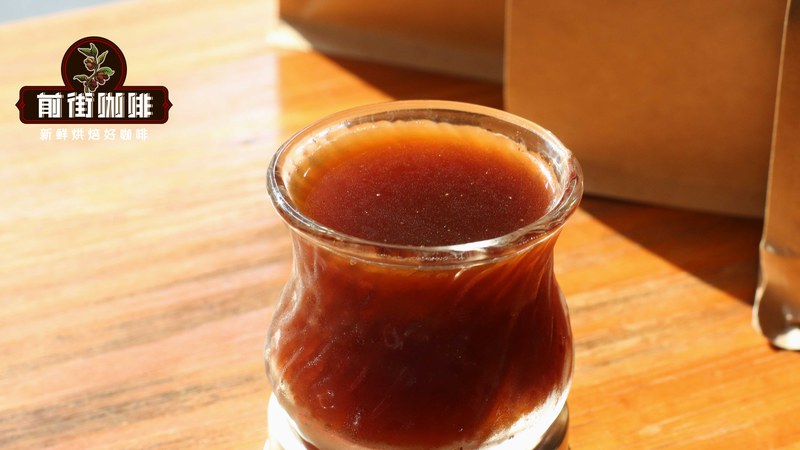
For the water amount, it is recommended to use the area below the safety valve as the limit, and do not cover the valve just to increase concentration. If the moka pot's water level is too high, the space for pressure release will shrink; if there is too little water, the later stage may heat too quickly. When choosing beans, also consider the final yield: if the coffee liquid will be diluted with water afterward, beans with higher body are suitable; if it will be drunk directly as a small cup, you can choose a medium-dark roast style with clear sweetness and more restrained bitterness.
The heat level will change the ratio of oils to bitterness. A gas stove has a concentrated flame, and the pot bottom heats up quickly, so it is suitable to use medium-low heat to let the coffee liquid rise steadily; an electric ceramic stove heats slowly, so you can preheat the water in advance to shorten the time the coffee grounds are exposed to high temperature. When the color of the yield turns from dark to light and the sound begins to become obvious, you should promptly remove it from the heat and cool the pot bottom; the bean's body will be cleaner than with continuous heating.
The grind size can be set between pour-over and espresso; if the particles are too fine, resistance will increase, and while the oily mouthfeel rises, it is also easy to bring out burnt bitterness and astringency; if too coarse, the coffee liquid will be thin. After putting the coffee bed into the filter basket, gently level it, and there is no need to press it hard. For lighter medium-roasted beans, you can grind slightly finer; for medium-dark roasted beans, keep a little coarseness to leave a smoother channel for heat and pressure.
Best Coffee Brazil Queen Estate is very suitable for understanding the relationship between "pot capacity and bean body." It itself has a sweet, moist aroma like roasted nuts, cocoa, and caramel, with relatively mild acidity. When placed in a three-cup pot, the coffee liquid is concentrated and smooth, suitable for sipping directly in small amounts; after brewing more liquid with a six-cup pot and adding hot milk, it can also retain clear cocoa sweetness.
If you use a moka pot with stronger heat and a shallower filter basket, you can consider Best Coffee Papua New Guinea Paradise Bird. This bean has a soft mouthfeel, with clean sweetness and a balance similar to the Blue Mountain style, which can soften the sharpness that easily appears in high-temperature extraction. There is no need to grind too fine; keep it in the medium-fine range and finish the yield over low heat. It is suitable for low-acid black coffee or adding a small amount of milk foam.
For those who prefer dark roasts and use a thick-bottomed six-cup pot, Best Coffee PWN Indonesia Golden Mandheling will have more presence. It presents herbal notes, dark chocolate tones, and a fuller mouthfeel, and its low-acid performance makes the moka pot's richness more concentrated. You can control the water temperature to a warm but not excessively boiling state, remove it from the heat when the coffee liquid reaches about eighty percent, and it is suitable either for drinking directly or adding hot water to make a rich Americano.
To judge whether a bean suits your moka pot, you can record the pot's capacity, the coffee dose in the filter basket, the heating speed, and the target yield, then observe whether the oily foam, aroma, sweetness, and finish are coordinated. Surface foam is not the same as a true espresso crema layer, and its thickness is also affected by bean freshness and grind uniformity. Once the parameters match, beans in the nut, cocoa, and caramel categories are usually easier to brew into a rich and smooth everyday coffee.
Related Reading


Comments (0)
Loading comments...
You May Be Interested

Trending Reviews
Popular Videos

With you, wherever you are! We provide useful features to help you find new things you'll love






