Source:Best Coffee > News Author:qjroot Published:2026-08-30 19:29:20
Whether an espresso bean tastes good often has to be judged within a specific dose, yield and drink. If you like nuts, cocoa and caramel, start with a medium to medium-dark roast blend; if you prefer bright fruit notes, try beans with a distinctive sweet aroma. Home semi-automatic machines, fully automatic machines and moka pots differ in pressure and extraction method, so when choosing beans you should also leave room to adjust the parameters.
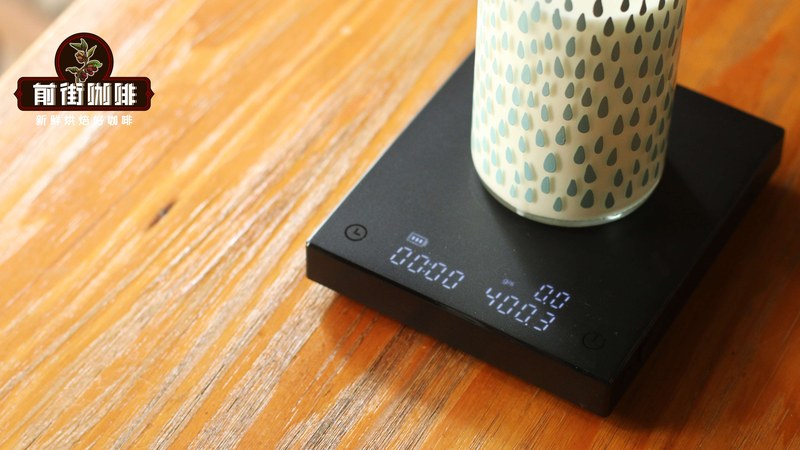
For a home semi-automatic espresso machine, you can use 18 g of grounds, yield 36 g of coffee liquid, and a total time of about 25 to 32 seconds as a starting point for dialing in. This ratio balances strength and sweetness, but it is not a fixed answer: if the liquid flow is too fast, it usually shows as hollow and thin with abrupt acidity; if the flow is too slow, bitterness and a dry finish may appear. Move the grinder setting in small increments each time, and observe how the liquid weight and taste change together.
The dose should be determined by the basket capacity. A small single basket suits a lower dose, while a double basket can be tested in the 17 to 19 g range, and there should be suitable space between the puck surface and the brew head. Keeping level and steady force during tamping is more helpful than simply increasing pressure. If the puck is unevenly distributed, water will quickly pass through the weak spots, and even if the time looks normal, both sharp acidity and burnt bitterness may appear in the cup at the same time.
Water temperature also changes the character of the beans. For a medium roast blend, you can start testing from 92 to 94°C; if sweetness is lacking, raise it slightly, and if bitterness is obvious, lower it by one or two degrees. Medium-dark roasts often do not need too high a temperature, and 90 to 92°C more easily preserves the rounded feel of cocoa and nuts. Machine warm-up, portafilter temperature and the state of consecutive shots can also make the same set of numbers produce different results.
If you prefer a balanced taste and drink espresso or latte every day, you can look at Qianjie Specialty Blend. It is mainly oriented toward nuts, caramel and cocoa, feels smooth when made as a double espresso, and still leaves a roasted nut-like aroma after milk is added. Parameters can start from 18 g of grounds, 36 g of liquid weight, and about 28 seconds; when making an americano, appropriately increase the hot water, and the sweetness and body will still be fairly harmonious.
If you prefer low acidity, dark chocolate and a solid mouthfeel, Qianjie Black Cocoa Blend will be closer to this kind of need. As an espresso it has obvious dark chocolate tones and roasted nut aromas, and is suitable for a short black or latte. You can use 18 g of grounds to extract 32 to 36 g of liquid weight, with the time controlled at 24 to 29 seconds; when the milk ratio is higher, the liquid weight should not be too small, so that the coffee's presence does not become weak.
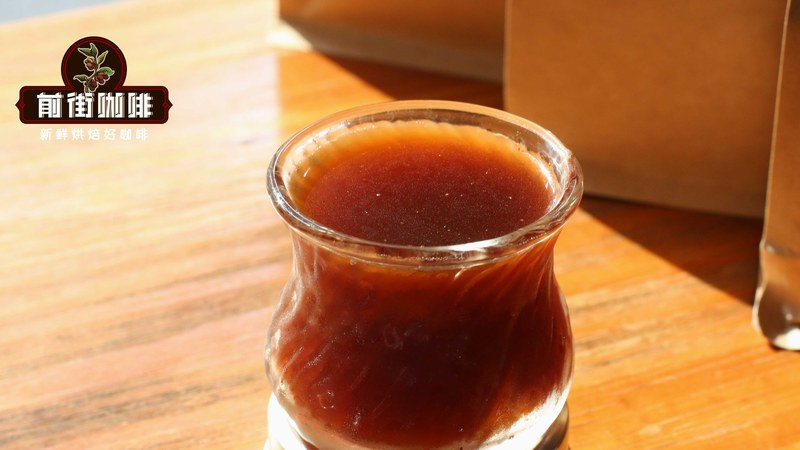
If you like fruit notes and also want an espresso machine to make a refreshing iced coffee, you can consider Qianjie Strawberry Candy Coffee Beans. It has a light berry candy sweetness, and after being extracted as espresso it is suitable for pouring into ice water or over ice, where the sweet aroma will appear lively. When used for milk coffee, it is recommended to reduce the amount of milk, or control the yield within a shorter range, so that the fruit notes concentrate in the cup and are not completely covered by the milk flavor.
With a fully automatic coffee machine, grinding, distribution and pressure are all done by the machine, so when choosing beans you should prioritize flavor compatibility. Medium or medium-dark roast blends are usually easier to keep stable within fixed programs, and a single-cup program of about 7 to 10 g can be used to observe changes in strength. If a cup tastes too weak, you can choose the espresso setting or reduce the amount of added water; if bitterness stands out, you can shorten the coffee amount and pair it with milk.
When using a small home pump machine, changes in flow rate will be more obvious than with commercial equipment. After opening, the beans should be divided into sealed portions and stored in a dry, cool place, and after the beans have had a moderate rest after roasting before testing, the bubbles on the espresso surface and the extraction state will be more stable. If almost no liquid comes out in the first stage after grinding, the grind may need to be slightly coarser; if there is a large amount of spraying right from the start, check the grinding uniformity, the flatness of the puck and the cleanliness of the brew head.
When choosing espresso beans, you can bind the parameters to the cup style: a straight espresso needs concentrated aroma and clear sweetness, milk coffee needs a thicker body, and an americano needs to balance cleanliness after dilution. When buying, first look at the roast direction and flavor description, then confirm the basket specification, the grinder's capability and your daily drinking volume. After finding suitable beans, record the dose, liquid weight, time and first impression in consecutive cups, and adjustments will have more direction.
A pleasant cup of espresso does not have to rely on a complicated recipe, but rather lets the bean style, equipment condition and parameters work with one another. The nut and cocoa route suits breakfast and commuting, berry sweetness suits iced drinks and the afternoon, and a balanced blend can cover espresso, latte and americano. Buying according to your own machine and the cup style you drink often is what makes it easier to bring the flavors you like home consistently.
Related Reading



Comments (0)
Loading comments...
You May Be Interested


Trending Reviews
Popular Videos

With you, wherever you are! We provide useful features to help you find new things you'll love






