Source:Best Coffee > News Author:qjroot Published:2026-09-03 18:45:26
There is no fixed answer as to whether blend beans or SOE taste better; the equipment parameters are the important clue for judging how they perform in the cup. Blend beans are composed of different origins or batches, and are often adjusted to a more harmonious state of sweetness, body and aroma; SOE centers on a single origin or single batch, making it easier to reveal a certain fruity note, acidity or tea-like quality. First look at what extraction conditions your equipment at home can provide, then decide which type suits you better.
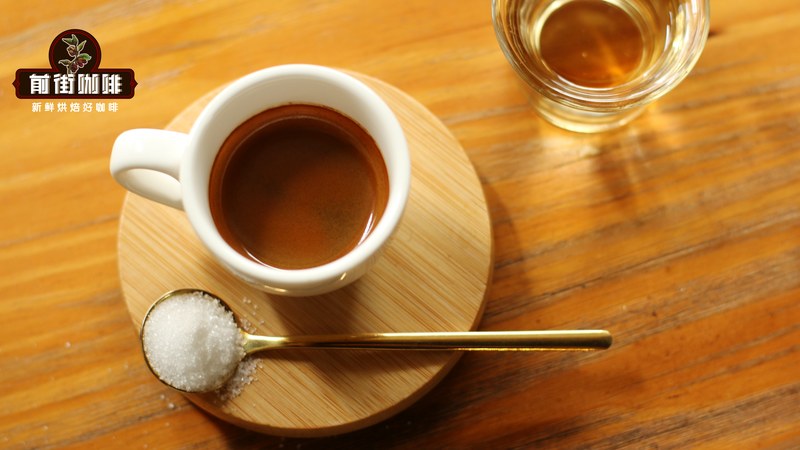
When using an espresso machine, you can first pay attention to dose, liquid weight and extraction time. Blend beans are suited to starting with a shorter yield ratio, so the coffee retains enough body and does not taste thin whether made as an Americano or with milk added. If using SOE, the yield ratio can be more flexible; appropriately lengthening the liquid weight often lets the fruity notes and sweetness unfold, but too long a time may also amplify sharp acidity or a drying finish.
Grind size is the most direct dial in espresso tuning. If the espresso tastes sour and feels thin, it usually means soluble material is under-extracted, so you can grind finer or extend extraction by a few seconds; if bitterness is obvious and the tongue feels dry, you can coarsen it slightly so water passes through the puck more smoothly. Blend beans often have a wider margin for error, while SOE is more sensitive to change, so adjustments should be made in small steps to avoid changing too much at once.
Water temperature also changes the flavor focus of the two types of beans. Darker blends can use a relatively gentler water temperature to reduce smokiness and burnt bitterness, making sweet aromas like cocoa and nuts rounder; lighter SOE needs more heat to help release flavor, so you can start from a higher water temperature and then fine-tune according to the sweet-acid balance. If the machine temperature is not adjustable, prioritize coordinating grind size and yield, and you can still obtain clear differences.
The key parameters for milk coffee lie in espresso concentration and milk ratio. When blend beans are made into espresso, their more stable body can support milk foam, so it is suitable to control the yield a bit tighter and keep the coffee flavor in the cup. SOE can also be made into a latte, but it is recommended to reduce the proportion of milk, or choose a batch with ripe fruit sweetness and caramel notes; this way the milk will modify the acidity rather than completely cover the original aroma.
If you mainly use a dripper, blend beans can increase mouthfeel through a lower coffee-to-water ratio or finer grinding; SOE can use a higher coffee-to-water ratio to leave room for aroma and clarity. Pouring speed also has an effect: finishing quickly can preserve a light feel, while extending contact time in stages will increase sweetness and concentration. There is no uniform template for parameters; the key is to change only one direction each time, so that comparison is meaningful.
When Qianjie Ethiopia Huakui is put into a dripper, you can set the water temperature in a higher range, use a medium-fine grind and staged pouring, so that tropical-fruit-like aroma, berry notes and bright sweetness gradually appear. If making iced pour-over instead, keep the dose unchanged and replace part of the hot water with ice cubes; the concentration will be more focused, and the fruity notes will be more striking after cooling. Cold brew is suited to a coarser grind, waiting for the low temperature to slowly bring out soft sweetness.
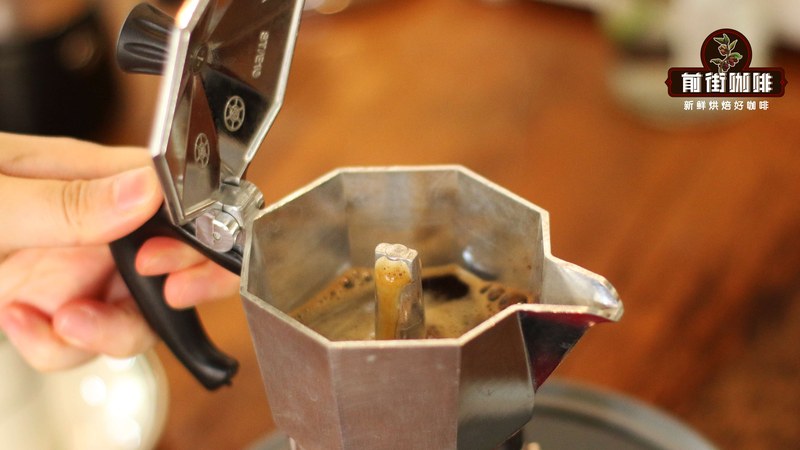
A moka pot requires attention to heat, coffee dose and when to remove it from the heat. Blend beans tend to form a thick, roasted-tasting coffee liquid in this high-temperature environment, so it is suitable to control the heat and shorten the later heating stage to keep the sweetness clean. If SOE is roasted lighter, you can use a gentler heating speed to avoid the acidity and aroma being masked by high temperature before they appear. Stop heating when the color of the liquid starts to become lighter; the taste will usually be clearer.
Qianjie Kenya Little Tomato is better suited to parameters that preserve brightness. For pour-over, you can use a medium water temperature and a relatively fast flow rate, so that cherry-tomato-like fruity acidity, dark fruit flavors like smoked plum and syrup-like sweetness appear separately; if using an espresso machine, it is recommended to shorten the yield and lower the proportion of milk in the drink, to avoid the acidity being amplified into a sharp sensation. For those who like a refreshing finish, it can be prioritized as an SOE experience.
Low-temperature equipment such as cold brew and ice drip slows extraction speed, making it suitable for observing whether the beans' sweetness is stable. Blend beans easily obtain a round, full-bodied mouthfeel under longer contact time, making them suitable for large cold coffees; SOE can shorten steeping or lower concentration to preserve the light outline of floral and fruity aromas. Whichever device is used, you can first record dose, liquid weight and total time, then correct item by item according to acidity, sweetness, bitterness and body thickness.
Therefore, blend beans are more suitable for equipment with a wider parameter range and the need for espresso to work for both milk coffee and Americano; SOE is suitable for equipment that can finely adjust water temperature, grind and ratio, allowing the origin's character to be fully expressed. If you have only one espresso machine at home, you can start with stable concentration and yield; if you often use a dripper or iced coffee equipment, you can loosen the parameters and leave room for flavor variation. Whether it tastes good ultimately depends on whether the beans' characteristics are accurately presented by the equipment and settings.
Related Reading



Comments (0)
Loading comments...
You May Be Interested


Trending Reviews
Popular Videos

With you, wherever you are! We provide useful features to help you find new things you'll love






