Source:Best Coffee > News Author:qjroot Published:2026-09-06 09:24:15
Light-roast coffee beans are best presented in a transparent, delicate way, but high temperature does not necessarily mean richer aroma. Citrus-floral types need a brisk flow rate, ripe-fruit types need their sweetness looked after, and berry and dark-fruit-acid types need more thorough dissolution. Converting the flavor descriptions on the packaging into water temperature, coffee-to-water ratio and pouring motions makes it easier to bring out the bean's character.
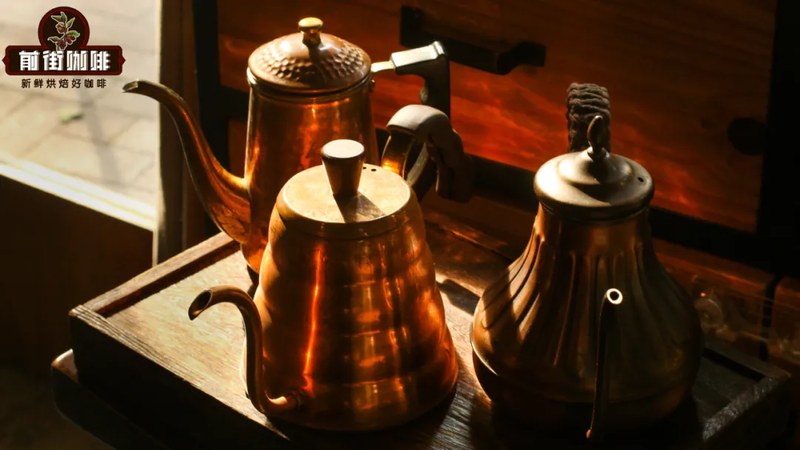
For pour-over you can use 15 g of coffee with 240 g of water as a baseline, set the water temperature at 92°C, grind close to fine granulated sugar, and aim to control the time between 2 minutes 20 seconds and 2 minutes 50 seconds. First pour about 35 g of water and wait 30 seconds, then complete the pouring in two to three stages. This approach provides a clear reference, after which you can adjust the flow rate and temperature according to the strength of acidity and sweetness.
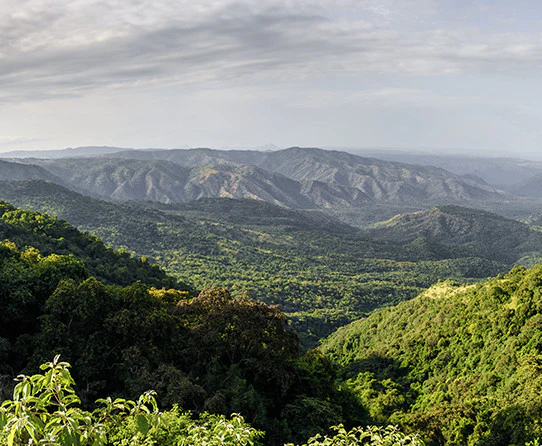
Qianjie Yirgacheffe Gudingding suits those who like gentle floral notes and a tea-like feel. When drunk hot you can sense a bright orange-grapefruit character, followed by the sweet-tartness of red berries, with a faint green tea aftertaste left at the bottom of the cup. It is recommended to use a water temperature of 91°C to 92°C, a coffee-to-water ratio of 1:16.5, a slightly finer grind, and three steady pours to reduce the chance of the aroma being masked by a heavy mouthfeel.
If Gudingding is bright on entry but feels a little short, you can tighten the grind slightly, or raise the water temperature by about 1°C, so that the sweetness and lingering sweetness dissolve more fully. If the aroma is clear but the body feels light, the coffee-to-water ratio can be tightened to 1:15.5. When an astringent sensation appears on the tongue, you can speed up the flow rate a little and reduce the amount of water entering the dripper in the final stage, and the cup will be cleaner.
Qianjie Ethiopia Huakui has a more exuberant aroma, often reminding people of strawberry flesh, passion fruit and ripe tropical fruit, and its sweetness is also more lively than that of elegant-style Ethiopian beans. For pour-over you can use a water temperature of 90°C to 91°C, a coffee-to-water ratio of 1:15.5, and a slightly coarser grind than Gudingding. After about 40 seconds of blooming, pour gently in two stages, which helps preserve the full fruit aroma.
When making iced pour-over with Huakui, you can put 100 g of ice cubes in the server and extract with 15 g of coffee and 150 g of hot water at about 92°C. Grind slightly finer than for hot pour-over, and finish the entire pour in about 2 minutes, so the hot coffee cools rapidly. This concentration can support the strawberry and passion fruit notes, and a bright sweetness remains even after the ice melts.
Qianjie Kenya Little Tomato suits those who prefer a juicy feel and clear sweet-tartness. A vivid cherry-tomato-like acidity tends to appear in the cup, then shifts to the dark fruit flavor of smoked plum, with a rounded sweetness similar to yellow sugar. It is recommended to use a water temperature of 93°C to 94°C, a coffee-to-water ratio of 1:16, a medium-fine grind, swirl the dripper gently after blooming, then complete the extraction with three pours.
Kenyan beans need enough solubility to prop up the sweetness, but pouring too forcefully tends to make the finish taste rough. You can make the first half of the pour slightly finer and gradually raise the pouring position in the second half, keeping the coffee bed descending evenly. When the total time falls between 2 minutes 40 seconds and 3 minutes, the tomato and smoked plum character will be more coherent, and the yellow-sugar-like sweetness will be more obvious after it cools.
The dripper and the water will also change these approaches. When a conical dripper flows fast, you can make the grind slightly finer; a flat-bottom dripper makes contact more evenly, so you can reduce agitation and watch the descent speed in the final stage. If filtered water is too soft, light-roast beans may taste hollow and sour; using drinking water with a moderate amount of minerals usually makes it easier to bring out sweetness and a complete finish.
Light-roast beans can also be used for espresso machines, but a different extraction logic is needed. You can start from 18 g of grounds, 45 g of coffee liquid, a water temperature of 93°C to 94°C, set the pressure at 7 to 8 bar, and arrange a 5-to-8-second low-pressure pre-infusion. The grind needs to be fine enough for the puck to build stable resistance, with the total extraction at about 28 to 35 seconds; a longer coffee-to-liquid ratio helps unfold the floral and fruity aromas.
For Gudingding as espresso, you can extend the yield to about 48 g to highlight the citrus and tea notes; Huakui can be kept at 42 to 45 g so the berry sweetness stays concentrated; Kenya Little Tomato suits a longer yield and gentle pressure, making the smoked plum sweet-tartness unfold more fully. If you like tea-like and fresh notes, choose Gudingding; if you prefer tropical fruit, choose Huakui; if you want a vivid juicy feel, consider Kenya Little Tomato.
Related Reading


Comments (0)
Loading comments...
You May Be Interested


Trending Reviews
Popular Videos

With you, wherever you are! We provide useful features to help you find new things you'll love






