Source:Best Coffee > News Author:qjroot Published:2026-09-03 18:50:31
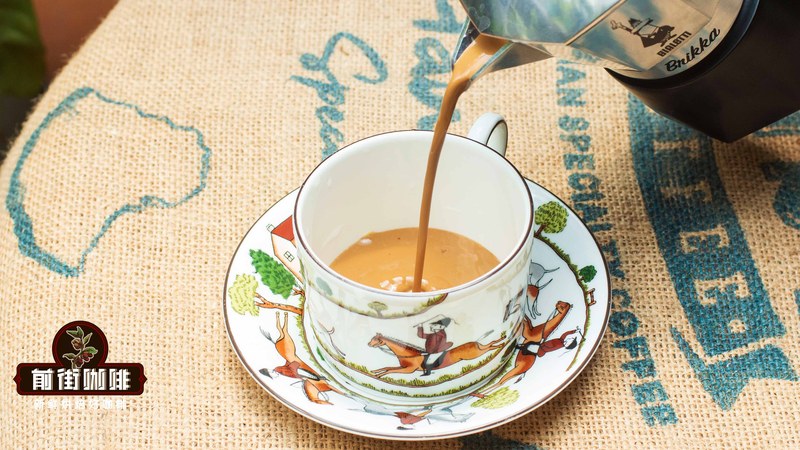
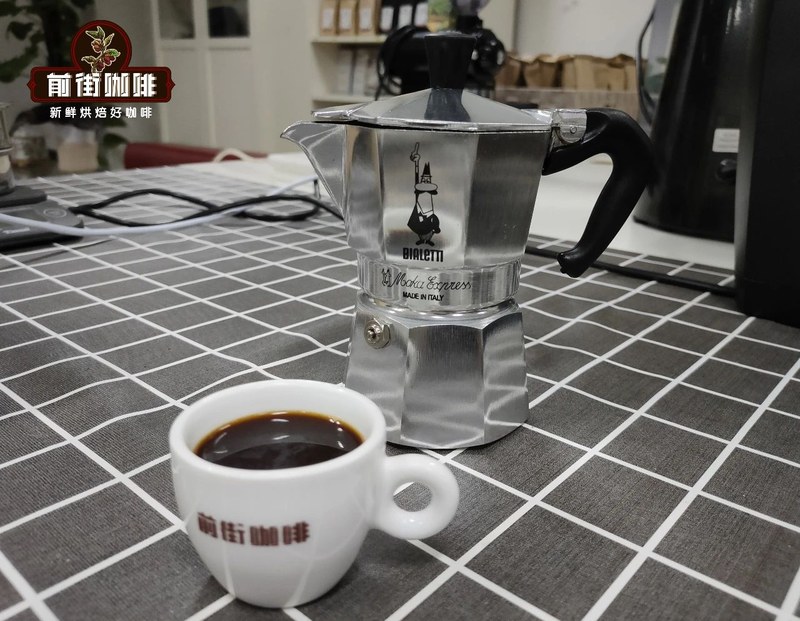
In a moka pot, cocoa flavors are usually amplified into notes of dark chocolate, cocoa powder, nuts or caramel, but the size of the pot, the capacity of the filter basket and the heating method will change the concentration and bitterness of the coffee liquid. If you want to drink a cocoa flavor that is round rather than scorched, you need to factor in the equipment parameters when choosing beans.
First look at how many servings the moka pot makes. A small-capacity pot has a thinner coffee bed, less water and a shorter extraction time, making it suitable for medium to medium-dark roasted beans with clear sweetness; a pot of three servings or more holds more coffee liquid, and the thicker coffee bed and longer heating time can carry the dark cocoa notes of full-bodied beans.
An aluminum pot heats up quickly, and changes in flame intensity are reflected directly in the flow rate, so beans with soft acidity and stable sweetness are preferable. A thick-bottomed stainless steel pot retains heat more noticeably, and the residual heat continues to drive extraction; if paired with dark-roasted beans, leave some margin in both the grind and the timing of removing it from the heat, to avoid obvious burnt bitterness in the cup.
The flame of a home gas stove or electric ceramic stove is usually not delicate enough, so when choosing beans you can prioritize medium-roasted beans that tolerate temperature changes well. With an induction cooker, confirm whether the base of the pot is compatible and control the heat setting; when the flame is too high, the rich cocoa character is easily masked by smokiness and astringency.
The capacity of the filter basket also affects how cocoa flavors come through. If the basket is underfilled, water tends to channel through certain areas, and the coffee liquid tastes thin; if it is overfilled, the flow may slow down. Just fill it level with the basket's natural capacity, do not tamp, and keep the grind feeling between fine sugar and table salt, so that water has enough room to pass through.
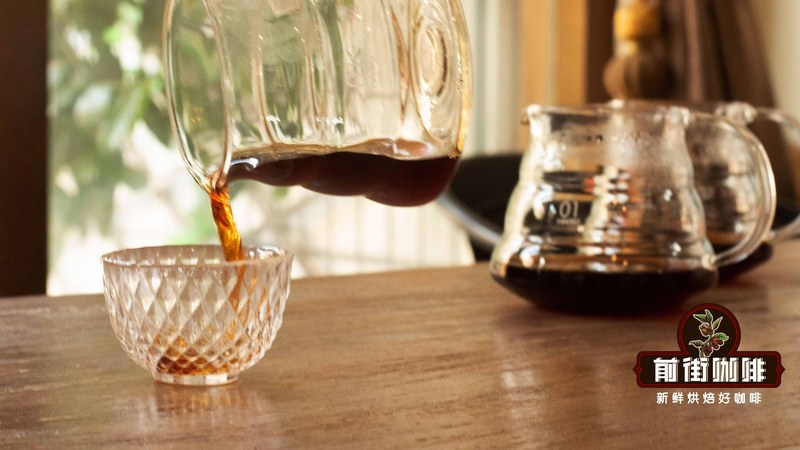
If you use a three-serving pot, Qianjie Brazil Queen's Estate is a relatively easy match. In a moka pot it tends to show roasted nuts, cocoa paste and caramel-like sweetness, and its acidity will not steal the spotlight. For black coffee you can shorten the dilution ratio after extraction, and if you want a milk coffee you can add warm milk, which will make the cup more like a nut-chocolate drink.
A small-capacity pot paired with medium-dark roasted beans raises the concentration quickly, suitable for those who like a heavy mouthfeel. The herbal notes, dark chocolate character and syrupy body of Qianjie PWN Indonesia Golden Mandheling become more concentrated in a moka pot. If you use a one-serving or two-serving pot, lower the flame so the flow stays slow, reducing the buildup of bitterness in the tail end.
If the pot is larger and you drink black coffee more often, consider Qianjie Papua New Guinea Bird of Paradise. Its mouthfeel is rounder and its sweetness gentle, and the concentration from the moka pot can add cocoa and grain-like thickness while keeping a refreshing finish. For those who dislike strong acidity but do not want overly dark roasts, this type of bean is easier to balance.
The flame setting can be adjusted according to the roast direction of the beans. For medium-roasted beans, start with medium-low heat and watch the coffee liquid change from dark to light; medium-dark roasted beans suit a lower flame, and you should move the pot off the heat before a large amount of pale liquid gushes out. Rinsing the base of the pot with cold water immediately after turning off the heat can cut off the residual heat, keeping the cocoa sweetness in a gentle place.

The grind should not simply copy the fineness of espresso. Too fine will increase the resistance inside the moka pot, and the coffee liquid easily tastes dull and bitter; too coarse will leave it under-concentrated, and the cocoa aroma will struggle to gather. The resting state of the beans, the pot's sealing ring and the cleanliness of the filter screen also affect the flow; keep the equipment unobstructed, and your judgment when choosing beans will be closer to the actual cup.
If you want pure black coffee, start with Brazil Queen's Estate or Papua New Guinea Bird of Paradise and observe the ratio of cocoa, nuts and sweetness; if you prefer milk coffee, Indonesia Golden Mandheling can better support the thickness of milk. Adjust the pot's capacity, material, flame and basket condition together, and cocoa flavors can extend from intense and heavy to soft and smooth, helping you find the cup that suits you.
Related Reading



Comments (0)
Loading comments...
You May Be Interested





Trending Reviews
Popular Videos

With you, wherever you are! We provide useful features to help you find new things you'll love






