Source:Best Coffee > News Author:qjroot Published:2026-08-30 19:28:47
When choosing espresso beans, you should not focus only on the region name or the flavor words on the packaging, but even more on what extraction conditions your machine at home can provide. Whether the pump pressure is stable, how large the filter basket capacity is, and whether the grinder can be adjusted finely all affect how a bean performs. Choosing beans according to your equipment parameters makes it easier to get sweetness, body and clear flavors in espresso.
For a home single-group espresso machine, you can start testing with 18 g of coffee, 36 g of liquid yield, and an extraction time of about 28 seconds, with the water temperature set in the medium range, observing whether the espresso flow is continuous and whether the color lightens too early. This ratio is suitable for establishing an initial reference, but it does not have to be applied mechanically. If the filter basket holds only 14 g, then reduce the dose and yield together, with the focus on maintaining the concentration in the cup and the mouthfeel structure.
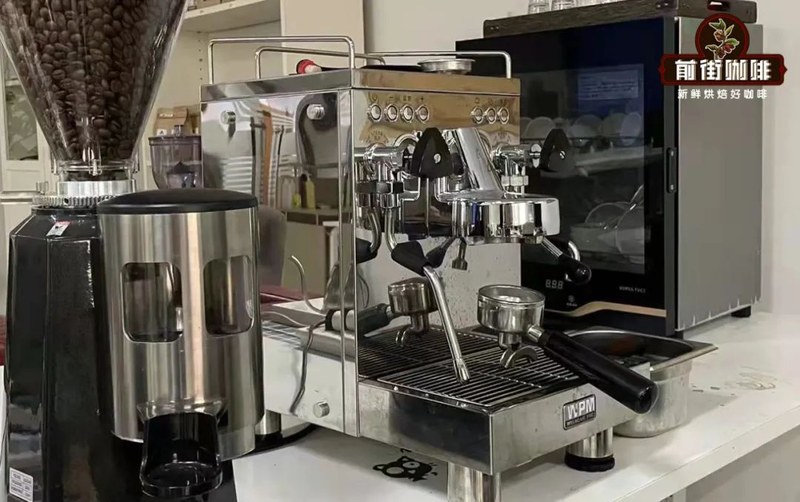
The adjustment precision of the grinder also changes the range of beans you can choose. Machines with larger step changes are suitable for starting with beans from medium roast to medium-dark roast that have a higher flavor tolerance; flat burrs or conical burrs that allow fine adjustment can be used to try brighter espresso single origins that emphasize regional characteristics more. After each adjustment, look at the flow rate first, then judge acidity, bitterness and aftertaste; do not decide the result based only on the number of seconds.
Qianjie Brazil Queen Estate is suitable for people who want a rounded espresso. In an espresso machine it easily shows sweet aromas like roasted nuts, cocoa paste and caramel syrup, with restrained acidity, and it is not too sharp on entry. Using 18 g of coffee and 36 to 40 g of yield, paired with medium water temperature, gives a smooth black coffee; after adding a small amount of milk, the nutty sweetness becomes softer.
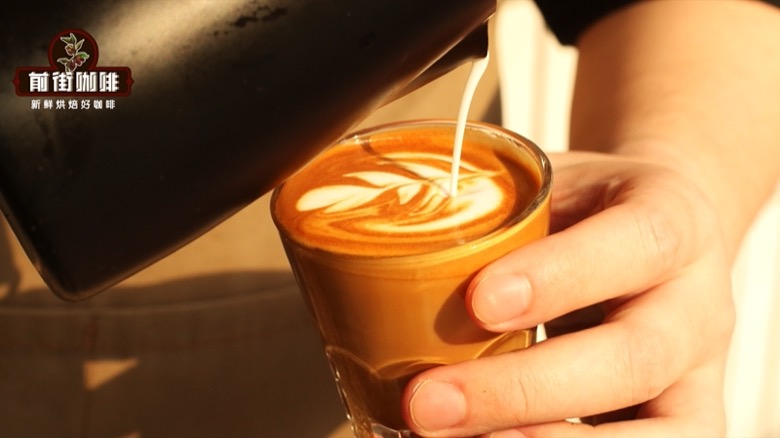
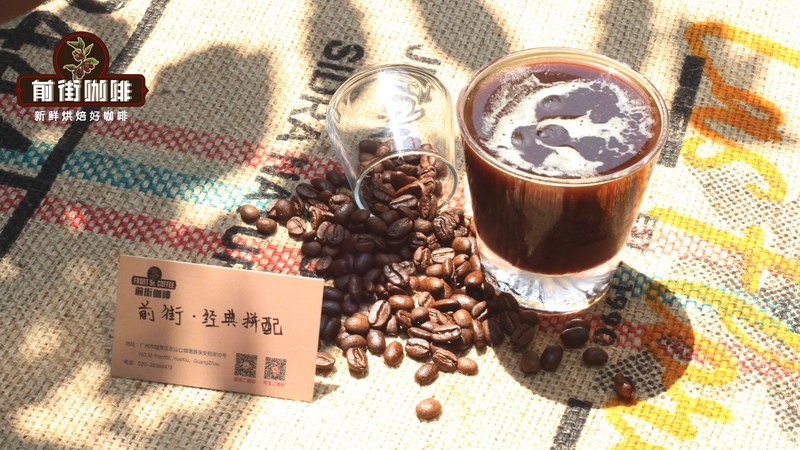
If your daily drinks are mainly lattes and flat whites, Qianjie Classic Blend will be closer to the needs of this kind of equipment and beverages. Its flavor focus falls among nuts, cocoa and caramel, and the extracted liquid has good weight. The dose can be set according to the filter basket capacity, and the yield should be controlled at around twice the dose; when the proportion of milk increases, the yield can be reduced appropriately so the coffee keeps a clear presence in the cup.
For those who like low acidity and a thick mouthfeel, you can try Qianjie PWN Indonesia Golden Mandheling. In espresso form it shows aromas such as herbs, dark chocolate and dark syrup, with a thick texture and a relatively steady finish. If it tastes dry on entry, you can make the grind slightly coarser or reduce the yield; when making an Americano, adding hot water makes the dark chocolate character unfold more easily.
For non-pressurized filter baskets, the evenness of distribution and tamping directly affects channeling, so the beans should be of a type with stable crema and a clear roasting style. Pressurized filter baskets have relatively looser requirements for particle distribution, but the flavor layers will also be narrowed somewhat. Beginners can first use medium-dark roasted beans to build up feel, and once they can control the flow rate stably, switch to medium roast or single-origin beans.
Temperature settings should match the roast level. Medium-dark roasted beans can start from a lower temperature so that caramel, cocoa and nutty sweetness stay soft; medium roasted beans need a little more heat to release a fuller aroma. If the espresso tastes sour on entry and the texture is thin, you can usually grind a little finer; if bitterness lingers and the tongue feels astringent, then consider shortening the yield or reducing the extraction strength.

Semi-automatic machines are suitable for recording the adjustment process by weighing and timing, while for automatic machines you should give priority to blend beans with concentrated flavor that are not too sensitive to parameter changes. When the machine has a fixed yield, you can use the grind setting to control concentration, then change the drink ratio by adding water or milk to the cup. Machines with insufficient steam wand power are suitable for pairing with beans that already have obvious sweetness and body, so it is easier to keep the coffee present after the milk is incorporated.
When buying, also check the beans' roast date, recommended equipment and filter basket capacity; buying small packages makes it easier to complete testing within a certain period. After opening, store them sealed and away from light, and keep the grinder and brew head clean so that parameter records have reference value. Start with a flavor path that suits your own machine, then gradually adjust dose, grind and yield, and espresso can move from stable shots to slowly finding your personal preference.
Related Reading





Comments (0)
Loading comments...
You May Be Interested


Trending Reviews
Popular Videos

With you, wherever you are! We provide useful features to help you find new things you'll love






