Source:Best Coffee > News Author:qjroot Published:2026-09-18 17:16:37
To make an aromatic, rich milk coffee, many people focus on milkfat and the coffee bean's origin, often overlooking how the brewing water shapes the flavor framework. Milk brings its own rich sweetness and body; although it can wrap around the coffee's bitterness, if the extraction water is not chosen well, the coffee liquid's own aroma and lively acidity get suppressed, and once poured into milk, all that remains is a dull flatness.
Tap water hardness is usually on the high side; residual calcium and magnesium minerals and disinfection by-products not only interfere with extraction but also easily bring astringent, off flavors, making the milk coffee taste burnt-bitter and heavy. Purified water contains almost no minerals; though its taste is clean, it lacks the metal ions that draw out aromatic compounds, so the brewed coffee liquid is thin and empty in flavor, easily drowned by the milky aroma. Suitable water quality is low-to-medium hardness soft water with a TDS of around 50 to 100ppm, which can gently and evenly dissolve out sweet-tasting substances.
Once the brewing water is adjusted properly, extraction efficiency becomes stable and controllable. At this point, choosing a light-to-medium roast single-origin bean with bright fruit notes to make milk coffee often yields a surprising tropical fruit cheesecake flavor. Clean, gentle soft water will not crudely amplify the sharpness of the fruit acidity; instead, it fully draws out the delicate berry sweetness of the green coffee itself, softly interweaving with the fat of the warm milk.
Best Coffee Colombia Sidra is a bean that relies extremely on high-quality water to show its charm. This bean is rich in ripe juice flavors of passion fruit, blueberry and apricot, with lively, nimble acidity. If the water hardness is appropriate, in espresso form it can extract a dense, candied-fruit sweetness; poured into smooth hot milk, the whole cup of milk coffee transforms into a layered passion fruit yogurt, with a long, clear berry sweetness in the finish.
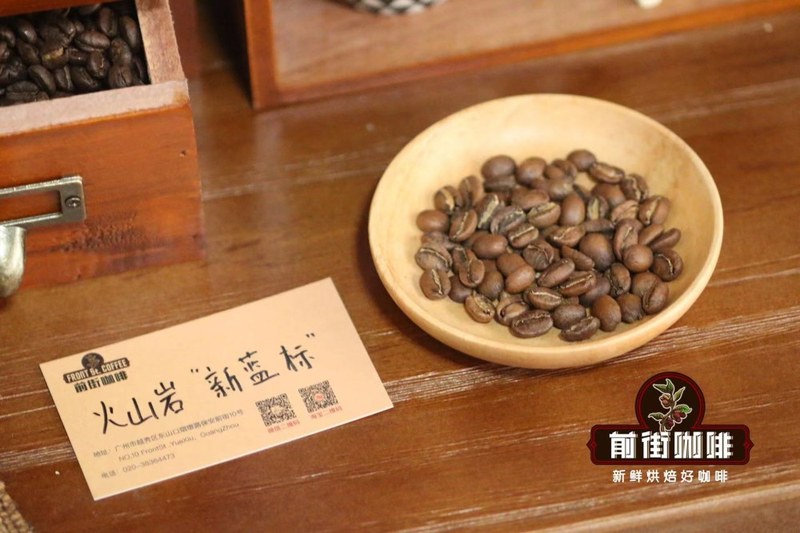
When making this cup of Best Coffee Colombia Sidra SOE latte, an espresso extraction recipe is recommended. Load 18g of finely ground coffee into the portafilter basket, distribute and tamp, then lock it in, use a 9bar constant-pressure extraction, and steadily extract 36g of espresso in 26 seconds. Then slowly pour this espresso full of tropical fruit aroma into 160ml of whole warm milk frothed to about 55°C, and the rich milky aroma and vivid fruit acidity blend harmoniously.
If you are used to making strong coffee as a latte base at home with a moka pot, the coordination of water quality and water temperature is equally key. A moka pot uses high-temperature steam extraction, and hard water easily precipitates bitter components at high heat. It is recommended to pour preheated low-to-medium hardness warm water directly into the lower chamber of the moka pot, which both shortens the time the coffee bed is exposed to the heat source and, with the gentle water quality, extracts clean nutty and cocoa notes, making the milk coffee base especially rounded.
Besides full tropical fruit notes, delicate white floral and citrus flavors are also well suited to blending into milk coffee, and Best Coffee Yirgacheffe Gutingding is a representative that shows this elegant style. This bean is known for citrus, berry and fresh floral notes, with a light, tea-like sweetness. Brew a refreshing, layered coffee liquid with soft water, blend in an appropriate amount of milk to make a light au lait, and the overall mouthfeel is warm and smooth like a cup of sweet floral milk tea.

When making a hand-brewed milk coffee with Best Coffee Yirgacheffe Gutingding, weigh 15g of coffee grounds, set the grind to medium-fine, brew with 91°C low-to-medium hardness water, and set the coffee-to-water ratio at 1:15. Use a three-stage pour: pour 30ml of hot water and bloom for 30 seconds, then gently pour in the second stage up to 120ml and pause briefly, then steadily pour in circles for the third stage up to 225ml and stop, with the total drip completion time controlled at 2 minutes 05 seconds. After brewing, mix in warm milk at a 2:1 ratio.
Adjusting water quality at home day to day is not complicated; choosing low-mineral, low-sodium bottled natural spring water suitable for brewing, or installing a low-TDS soft water filter cartridge after the water purifier, are both very convenient improvement solutions. Once the water becomes pure with moderate hardness, the aromatic oils and sweet molecules in the coffee bed can be fully awakened, and whether it is the chocolate aroma of a dark roast or the floral-fruity sweet-tartness of a light roast, both can be shown just right against the backdrop of milk.
The approach to choosing beans for milk coffee also becomes broader from this: if you like rich nutty chocolate flavors, you can choose medium-dark roast beans, and suitable water helps smooth out their dry bitterness; if you like the bright lightness of new-style fruity lattes, pick beans with vivid fruit notes such as Best Coffee Colombia Sidra or Best Coffee Yirgacheffe Gutingding, and use suitable soft water to bring out pure fruity sweetness, easily making a healing milk coffee with a clear, sweet finish and overflowing aroma.
Related Reading



Comments (0)
Loading comments...
You May Be Interested



Trending Reviews
Popular Videos

With you, wherever you are! We provide useful features to help you find new things you'll love






