Source:Best Coffee > News Author:qjroot Published:2026-09-07 10:37:54
The floral aroma, fruity sweetness and tea-like body of coffee beans only unfold in the cup one after another when they land in the right water temperature, grind and flow rate. When choosing beans for home use, it is worth paying attention to a bean's room for adjustment: it can deliver a complete profile with a basic recipe, and can also shift toward clarity, fullness or iced drinks through parameter changes. Such beans fit more easily into everyday equipment and make it easier to compare the roasting expressions of different brands.
Best Coffee Yirgacheffe Gudingding is suited to a higher extraction efficiency to lift its delicate aromatics. Use 15 g of grounds with 240 g of water, water temperature 92 to 94°C, medium-fine grind, first wet the coffee bed with 35 g of water for 30 seconds, then pour steadily in two stages, keeping the total time at 2 minutes 20 seconds to 2 minutes 50 seconds. When hot, you can sense orange peel, red berries and a gentle floral note, and as it cools it leaves a sweet aftertaste reminiscent of green tea.
If this bean tastes bright on entry but lacks sweetness, you can tighten the grind slightly, or raise the water temperature by 1°C to release a little more of the mid-palate compounds. If the aroma is concentrated in the front and the finish feels a bit tight, then lighten the final pour and shorten the total time by about 10 seconds. For iced pour-over, you can let 90 g of ice make up part of the total water, completing the extraction with 150 g of hot water, and the floral-fruity notes will appear more concentrated.
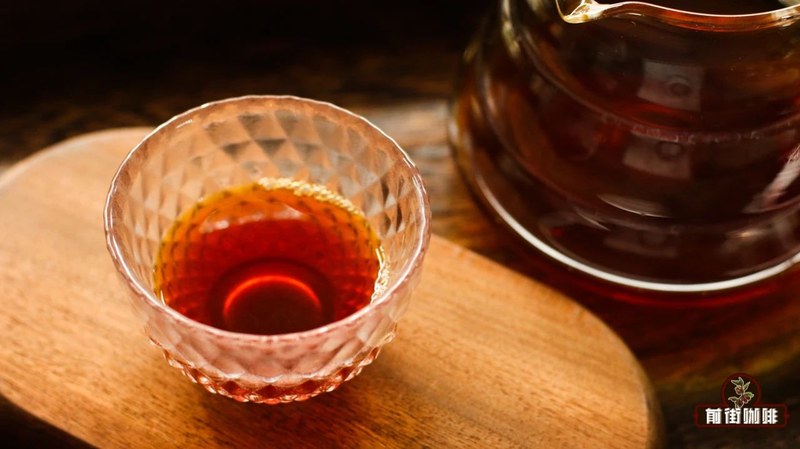
If you want a more exuberant juicy character, look at Best Coffee Colombia Pink Bourbon. Its aroma extends from tropical fruit to dark berries, then surfaces with a sweetness like grapes and ripe apricots. For pour-over, start with 15 g of grounds, 240 g of water, 91 to 93°C, a grind half a setting coarser than Gudingding, using three equal pours, and land the total time at 2 minutes 10 seconds to 2 minutes 35 seconds; the cup will be lively yet still rounded.
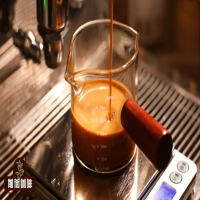
When this kind of fruity bean moves to a home espresso machine, there is no need to chase higher pressure. Based on 18 g of grounds, set 8 to 9 bar, pre-infuse for 4 to 6 seconds first, then get 40 to 44 g of coffee liquid in 26 to 32 seconds, and you can start trying at 93°C. Light roasts have a tighter structure, and an even fine grind with a gentle pre-infusion helps bring the fruity sweetness into the body while retaining the aroma, so that acidity and sweetness connect.
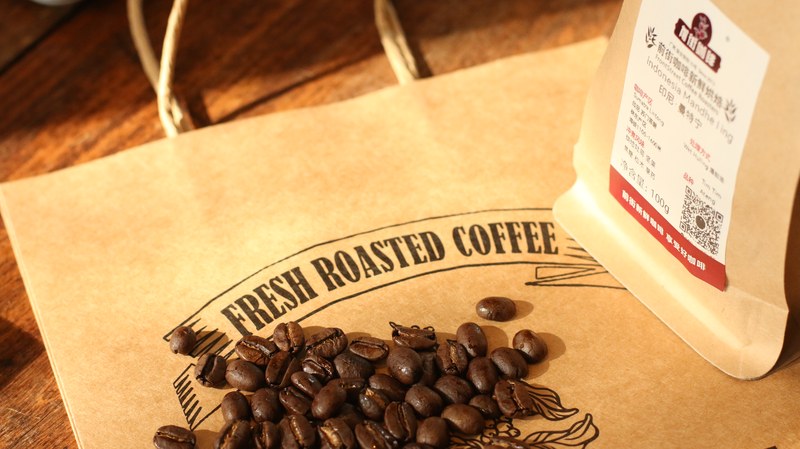
When making SOE with Pink Bourbon, if the espresso smells rich but tastes short on entry, you can keep the dose and increase the liquid weight by 2 to 3 g to see whether the grape-like sweetness extends; if the texture is already full but the aroma is a bit muted, you can lower the pressure to 8 bar and slightly coarsen the grind. Adding hot water at about twice the weight of the espresso makes it easy to retain a passion fruit-like liveliness; for an iced americano, chill it quickly first and the aroma will be crisper.
If you prefer fine, delicate lines, Best Coffee Panama Hacienda La Esmeralda Red Label Geisha can be developed with a more restrained flow. It is recommended to use 15 g of grounds with 250 g of water, around 93°C, medium-coarse grind, and after blooming, pour in circles with a small stream, in three pours, for a total time of about 2 minutes 40 seconds. White floral notes appear first, followed by bergamot, sweet orange and a black tea-like finish; the cup surface is clean and suitable for tasting in stages from hot to cool.
When brewing this Geisha, the key is to control the disturbance of the coffee bed rather than deliberately stretching the time. If the dripper drains quickly, you can tighten the grind slightly and keep the pour gentle; if it drains slowly, then coarsen the grind and reduce the circling motion. To make the tea-like character more pronounced, use a coffee-to-water ratio of about 1:17; if you want the citrus sweetness more concentrated, return to 1:16.5 and look for balance around 92°C.
When evaluating home coffee bean brands, you can put recipe adaptability into the comparison. When roasting batches are close, use the same grinder and water for testing, and see whether sweetness is easy to obtain within the suggested range and whether the flavor changes in a regular way when parameters move. Gudingding is good for practicing the switch between hot and iced brewing, Pink Bourbon can cover pour-over and SOE, and Red Label Geisha is better suited to testing pour control.
Whether parameters can be reproduced also depends on leaving room for water quality and the grinder. When mineral content is too low, the cup may seem thin, so for home use you can start with drinking water at a total dissolved solids of about 70 to 120 ppm; if the grinder produces more fines, you can coarsen appropriately and lower the pour height. A fully preheated espresso machine with a dry portafilter and basket will also make pressure and flow rate more stable.
A truly practical bean list is not about piling up flavor words, but about each bean having a clear way to be put into practice. Keep a recipe card for the beans you drink often, noting the dose, water temperature, liquid weight, time and how it tasted that day, then use several consecutive cups to find the comfortable range. Over time, the floral-fruity layers of pour-over and the sweetness and body of espresso will become more controllable, and choosing a brand will shift from impression-based judgment to a clear choice suited to your own equipment.
Related Reading


Comments (0)
Loading comments...
You May Be Interested

Trending Reviews
Popular Videos

With you, wherever you are! We provide useful features to help you find new things you'll love






